
Complete Guide to Yogic Detox & Shatkarma Practices
Modern life exposes us to constant stress, processed foods, pollution, and emotional overload. Over time, this creates toxin buildup in both the body and mind. While many people turn to artificial detox programs, kriya cleansing in yoga offers a natural and time-tested method of purification.
Rooted in ancient yogic wisdom, kriya cleansing in yoga refers to specific yogic cleansing techniques designed to purify the internal systems of the body. These techniques are part of shatkarma yoga, a powerful branch of Hatha Yoga focused on deep internal cleansing.
Unlike trendy yoga detox methods, kriyas aim at complete natural body purification—physically, mentally, and energetically. In this guide, you will learn what kriyas are, how they work, and how to safely integrate them into your yoga lifestyle.

What is Kriya cleansing in yoga?
Kriya cleansing in yoga refers to systematic purification practices that prepare the body and mind for deeper yogic disciplines like pranayama, meditation, and advanced asanas.
Meaning of Kriya in Traditional Yoga
The word “kriya” comes from Sanskrit, meaning “action” or “purifying action.” In classical yoga texts, kriya refers to intentional practices that remove blockages and toxins from the body.
In Hatha Yoga Pradipika, kriyas are described as essential preparation before practicing higher stages of yoga. According to traditional teachings, if the body is impure, energy (prana) cannot flow freely.
This is why Hatha yoga cleansing practices were developed—to ensure that practitioners achieve physical stability and mental clarity.
The Concept of Shatkarma (Six Purification Techniques)
Shatkarma means “six actions.” These are six traditional internal cleansing yoga techniques designed for full-body purification:
- Neti
- Dhauti
- Nauli
- Basti
- Kapalabhati
- Trataka
Together, they form the foundation of traditional yoga purification practices.
Why Cleansing is Essential Before Advanced Yoga Practices
Before moving into deeper practices like Pranayama, Bandhas, Mudras, or meditation, the body and mind must be properly prepared. Classical yoga texts such as the Hatha Yoga Pradipika recommend purification practices (Shatkarma) before attempting advanced techniques. Cleansing builds a strong physical, energetic, and mental foundation for higher yogic practices.
There are some Important Point about Cleansing
- Removes physical toxins:
Cleansing practices help eliminate accumulated waste (ama) from the digestive tract, respiratory system, and other internal organs. Poor diet, pollution, stress, and inactive lifestyles can cause toxins to build up in the body. This may lead to sluggish digestion, low immunity, fatigue, and mental dullness. Techniques like digestive cleansing and nasal cleansing support detoxification, improve organ efficiency, enhance nutrient absorption, and increase overall vitality. A clean internal system allows the body to handle advanced breathwork and meditation safely. - Balances doshas (Ayurvedic energies):
According to Ayurvedic philosophy, health depends on the balance of Vata, Pitta, and Kapha. When these energies become imbalanced, issues such as anxiety (excess Vata), inflammation or irritability (excess Pitta), and heaviness or congestion (excess Kapha) may appear. Cleansing techniques help regulate these energies naturally. For example, nasal cleansing reduces excess Kapha, digestive cleansing supports Pitta balance, and intestinal purification stabilizes Vata. Balanced doshas create internal harmony, making advanced yoga practices more effective and sustainable. - Improves pranic flow:
In yogic science, prana (life-force energy) flows through subtle channels known as nadis. When the body is congested or overloaded with toxins, this flow becomes restricted. Blocked pranic flow can cause fatigue, lack of clarity, restlessness, and difficulty in pranayama. Cleansing removes both physical and energetic obstructions, allowing prana to circulate freely. When prana flows smoothly, breathing becomes deeper, the body feels lighter, and the mind becomes naturally calm and steady. - Enhances concentration:
The body and mind are deeply interconnected. When the body feels heavy or uncomfortable, the mind struggles to focus. Cleansing reduces mental fog, stabilizes emotions, and increases alertness. A purified system supports better concentration (Dharana) and meditation (Dhyana). Without proper purification, practitioners may experience restlessness or dullness during advanced practices. A clean body creates a clear and focused mind.
Without cleansing, advanced yoga may feel difficult or ineffective.

The 6 Main Types of Kriya Cleansing (Shatkarma Explained)
1. Neti – Nasal Cleansing Technique
Neti is a nasal cleansing kriya that purifies the nasal passages.
What is Jal Neti?
Jal Neti involves pouring lukewarm saline water through one nostril using a neti pot and allowing it to flow out the other nostril.
Jal Neti Benefits
- Clears sinuses
- Reduces allergies
- Improves breathing
- Enhances focus
- Supports respiratory health
2. Dhauti – Digestive Tract Cleansing
Dhauti kriya yoga focuses on cleaning the digestive system.
Types Overview
- Vamana Dhauti (induced cleansing)
- Vastra Dhauti (advanced cloth cleansing)
This form of stomach-cleansing yoga improves digestion and reduces acidity.
3. Nauli – Abdominal Churning Technique
Nauli is an advanced abdominal cleansing yoga practice described in classical Hatha Yoga texts such as the Hatha Yoga Pradipika. It involves isolating and rhythmically rotating the abdominal muscles in a churning motion. This powerful kriya primarily works on the digestive organs, abdominal muscles, and the body’s internal energy system. Because of its intensity, it is usually practiced after mastering Uddiyana Bandha and under proper guidance.
Nauli Kriya Benefits
- Stimulates digestive fire (Agni):
In yogic and Ayurvedic philosophy, Agni refers to the digestive fire responsible for breaking down food and transforming it into energy. Nauli massages the abdominal organs, increasing blood circulation and activating digestive glands. This stimulation strengthens Agni, improves digestion, reduces bloating, and helps prevent issues like constipation and indigestion. - Improves metabolism:
By activating the abdominal region and stimulating internal organs such as the liver, pancreas, and intestines, Nauli enhances metabolic efficiency. A stronger metabolism supports better nutrient absorption, balanced energy levels, and effective weight management. It also helps regulate appetite and reduces sluggishness caused by poor digestion. - Strengthens core muscles:
The churning motion directly engages the rectus abdominis and oblique muscles, building deep core strength and control. Regular practice tones the abdominal wall, improves posture, and enhances stability in advanced yoga poses. A strong core also protects the lower back and supports overall physical balance. - Supports detoxification:
Nauli creates an internal massage effect that encourages the elimination of waste and toxins from the digestive tract. Improved circulation and organ stimulation help the body flush out accumulated impurities (ama). This cleansing effect not only improves physical health but also promotes mental clarity and lightness.
4. Basti — Yogic Colon Cleansing
Basti is a traditional yogic colon cleansing technique mentioned in classical Hatha Yoga texts such as the Hatha Yoga Pradipika. It is considered one of the six major Shatkarma (purification practices). Traditionally, Basti was performed using specific yogic methods to cleanse the large intestine by drawing water into the colon through muscular control.
Today, some practitioners adapt Basti using enema-like methods under professional supervision. However, traditional Basti required advanced abdominal control and was practiced only after mastering foundational techniques like Uddiyana Bandha and Nauli.
Basti Kriya Benefits
- Deep colon cleansing:
Basti helps remove accumulated waste and toxins from the large intestine. This cleansing supports smoother bowel movements and helps relieve chronic constipation, gas, and bloating. - Balances Vata dosha:
According to Ayurvedic principles, the colon is the main seat of Vata. When waste accumulates, Vata becomes aggravated, leading to anxiety, dryness, and irregular digestion. Basti helps regulate Vata and restore internal balance. - Improves digestive health:
By cleansing the colon, Basti enhances nutrient absorption and overall digestive efficiency. A clean digestive tract allows the body to process food more effectively and maintain steady energy levels. - Supports detoxification and vitality:
Removing deep-seated impurities reduces heaviness and fatigue. Practitioners often report feeling lighter, clearer, and more energetic after proper cleansing.
Note: Basti is an advanced practice and should not be attempted without proper guidance. Individuals with medical conditions, digestive disorders, or recent abdominal surgery should consult a qualified healthcare professional before attempting any colon cleansing practice.
5. Kapalabhati – Frontal Brain Cleansing Breath
Kapalabhati is both pranayama and kriya. In classical yoga texts such as the Hatha Yoga Pradipika, it is described as a powerful cleansing technique that purifies the respiratory system and energizes the mind. The term “Kapalabhati” combines two Sanskrit words: Kapala (skull or forehead) and Bhati (shining or illuminating), meaning “shining skull.” It involves forceful, rhythmic exhalations with passive inhalations, helping to cleanse the lungs and energize the entire system.
Kapalabhati Breathing Benefits
- Expels stale air:
Kapalabhati forcefully removes residual carbon dioxide and stale air trapped in the lower lungs. This clears the respiratory passages, reduces congestion, and improves overall lung efficiency. - Oxygenates blood:
By increasing the rate of exhalation and improving ventilation, Kapalabhati enhances oxygen exchange in the lungs. Better oxygen supply to the bloodstream supports brain function, boosts alertness, and increases energy levels. - Boosts metabolism:
The rapid abdominal contractions stimulate digestive organs such as the liver and pancreas. This activation strengthens digestive fire (Agni), improves metabolism, and supports healthy weight management. - Improves immunity:
Regular practice helps clear toxins from the respiratory and digestive systems, reducing the burden on the immune system. Enhanced circulation and improved oxygenation contribute to stronger natural defense mechanisms.
Note: Kapalabhati should be practiced on an empty stomach and avoided by individuals with high blood pressure, heart conditions, hernia, or during pregnancy unless advised by a qualified instructor or healthcare professional.
6. Trataka – Eye & Mind Cleansing Practice
Trataka is a powerful yogic concentration technique mentioned in classical Hatha Yoga texts such as the Hatha Yoga Pradipika. It involves steady, focused gazing at a single point—commonly a candle flame—without blinking. This practice cleanses the eyes, sharpens mental focus, and prepares the mind for deeper meditation. It is considered both a physical cleansing practice and a mental purification technique.
- Improves concentration:
By fixing the gaze on one object, Trataka trains the mind to remain steady and undistracted. This strengthens Dharana (concentration) and improves attention span in daily life. - Strengthens eyesight:
Regular practice exercises the eye muscles, improves focus control, and may reduce eye strain caused by screens and prolonged reading. - Calms the nervous system:
Focused gazing combined with relaxed breathing reduces mental agitation and activates the parasympathetic nervous system, promoting relaxation. - Enhances intuition:
As the mind becomes still and clear, inner awareness deepens. Many practitioners report improved insight and stronger intuitive perception.

Benefits of Kriya Cleansing in Yoga
Physical Health Benefits
- Improved digestion:
Cleansing kriyas stimulate digestive organs, remove accumulated waste (ama), and strengthen digestive fire (Agni), leading to smoother digestion. - Stronger immunity:
By removing toxins and improving circulation, kriyas reduce the burden on the immune system and enhance natural defense mechanisms. - Clear respiratory system:
Practices like Neti and Kapalabhati cleanse nasal passages and lungs, improving breathing efficiency and reducing congestion. - Balanced metabolism:
Abdominal kriyas activate internal organs, supporting hormonal balance and efficient energy production.
Mental & Emotional Benefits
- Reduced stress:
Cleansing practices calm the nervous system and reduce accumulated physical tension, lowering stress levels. - Emotional balance:
When digestion and pranic flow improve, emotional stability naturally increases, reducing mood swings. - Enhanced clarity:
A purified body supports a clear and focused mind, improving decision-making and productivity. - Better sleep:
Balanced energy and reduced stress promote deeper and more restful sleep cycles.
Spiritual & Energetic Benefits
- Clears energy channels (nadis):
Kriyas remove energetic blockages, allowing prana (life-force energy) to flow freely throughout the body. - Enhances chakra purification:
By balancing internal systems, kriyas support the cleansing and activation of major energy centers (chakras). - Improves meditation depth:
A clean and balanced system allows practitioners to sit longer in meditation with less distraction. - Increases vitality:
When toxins are reduced and prana flows smoothly, overall energy and enthusiasm for life increase.
How to Practice Kriya Cleansing Safely
Best Time to Perform Kriyas
- Early morning on empty stomach:
The body is naturally lighter and more receptive to cleansing in the morning before food intake. - Before asana or pranayama:
Cleansing prepares the body and breath for deeper yogic practices. - In calm environment:
A quiet and distraction-free space enhances safety and effectiveness.
Who Should Avoid Certain Kriyas
- Pregnant women:
Strong abdominal or breath techniques may create unnecessary pressure. - High blood pressure patients:
Intense breathing practices may aggravate the condition. - Recent abdominal surgery:
Abdominal kriyas may strain healing tissues. - Severe medical conditions:
Always consult a healthcare professional before attempting advanced cleansing practices.
Beginner Safety Guidelines
- Start simple (Neti, Kapalabhati):
Begin with gentle cleansing techniques before attempting advanced kriyas. - Learn from qualified teacher:
Proper guidance ensures correct technique and prevents injury. - Don’t force advanced techniques:
Progress gradually and respect your body’s limits.
Kriya Cleansing vs Modern Detox Methods
Juice Cleanses vs Yogic Cleansing
Juice cleanses mainly focus on dietary restriction and liquid nutrition. In contrast, yogic kriyas directly cleanse specific systems such as the digestive tract, respiratory passages, and energy channels. Kriyas combine physical purification with energetic and mental benefits, making them more holistic than diet-only detox programs.
Natural vs Artificial Detox
- Kriyas activate natural elimination:
They stimulate the body’s own cleansing mechanisms instead of relying on external substances. - No chemicals:
Traditional kriyas use natural methods such as water, breath, and muscular control. - No extreme dieting:
They do not require starvation or severe calorie restriction. - Sustainable long-term:
When practiced correctly, kriyas can be integrated safely into a regular wellness routine.
How Often Should You Practice Kriya Cleansing?
Daily Practices
- Neti:
Gentle nasal cleansing can be practiced daily, especially in polluted environments or during allergy seasons. - Kapalabhati:
Moderate rounds can be practiced daily to maintain respiratory and digestive health.
Weekly Practices
- Nauli:
As an advanced abdominal practice, it is generally performed a few times per week under guidance. - Basti:
Deep colon cleansing should not be done frequently and must be practiced cautiously with proper supervision.
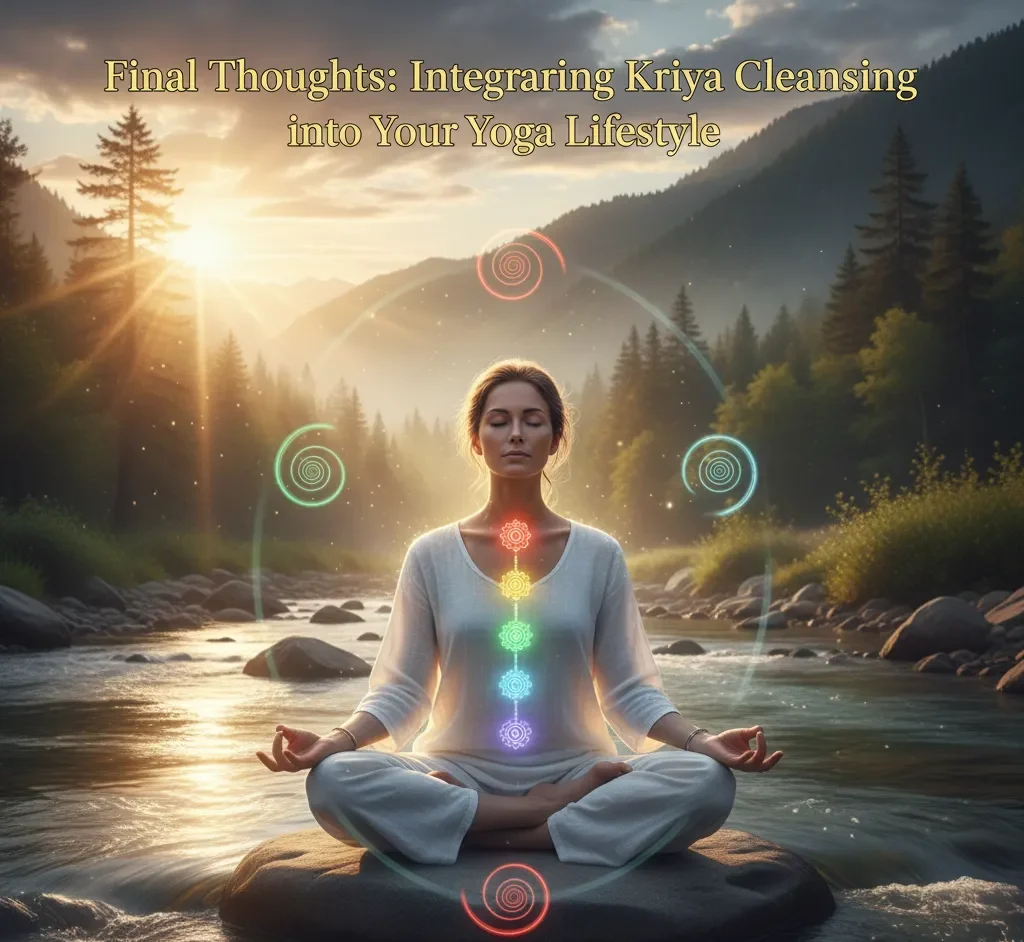
Final Thoughts: Integrating Kriya Cleansing into Your Yoga Lifestyle
Consistency matters more than intensity when it comes to kriya cleansing. These practices are most effective when performed regularly and mindfully rather than in sporadic, intense sessions. Kriya cleansing is not merely a modern detox trend—it is an ancient yogic system designed to purify the body, mind, and subtle energy channels (nadis) for holistic well-being.
Through the Shatkarma kriyas, practitioners can achieve a complete balance of physical health, mental clarity, and energetic vitality. Starting with simple techniques such as Jal Neti (nasal cleansing) and Kapalabhati (frontal brain cleansing breath) is recommended, especially for beginners. It is essential to learn these practices under the guidance of a qualified instructor to ensure correct technique and safety.
Integrating kriya cleansing with regular asana (postures), pranayama (breathwork), and meditation creates a comprehensive yoga lifestyle. Over time, these cleansing practices transcend mere physical detoxification—they foster a lifestyle of conscious purification, heightened awareness, and sustained vitality.Practitioners who adopt kriya cleansing as part of their daily routine often experience deeper meditation, improved health, emotional balance, and increased energy levels, making it a transformative component of modern yogic practice.