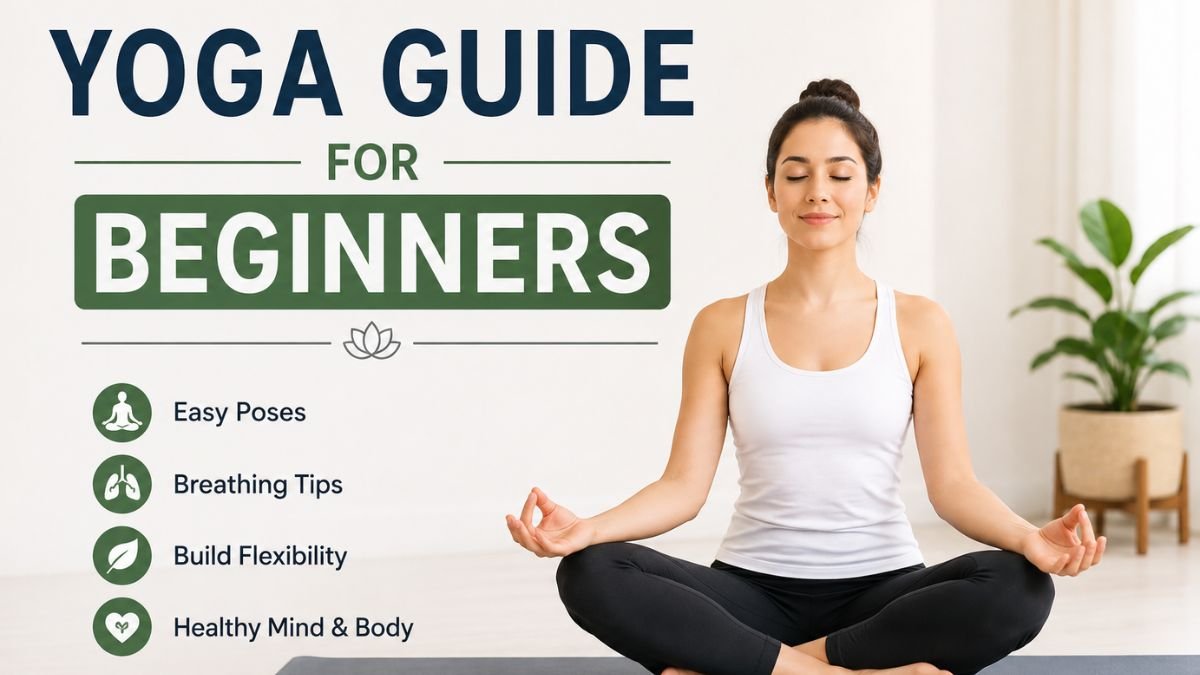
Yoga for Beginners: A Simple Guide to Starting Safely
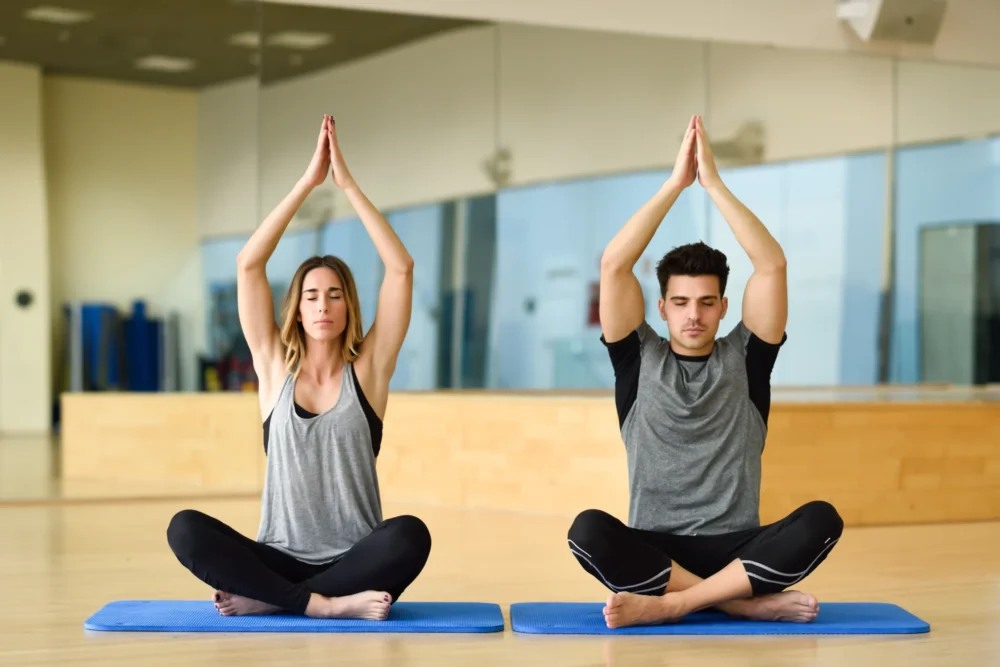
Quick answer: Yoga for beginners combines comfortable movement, breathing, and mindful attention. Start with simple

Yoga · Meditation · Mindful Living
Explore beginner-friendly yoga poses, meditation guides and practical wellness ideas created to help you move better, think clearly and build mindful habits—one day at a time.
Clear guidance for everyday practice

Quick answer: Yoga for beginners combines comfortable movement, breathing, and mindful attention. Start with simple
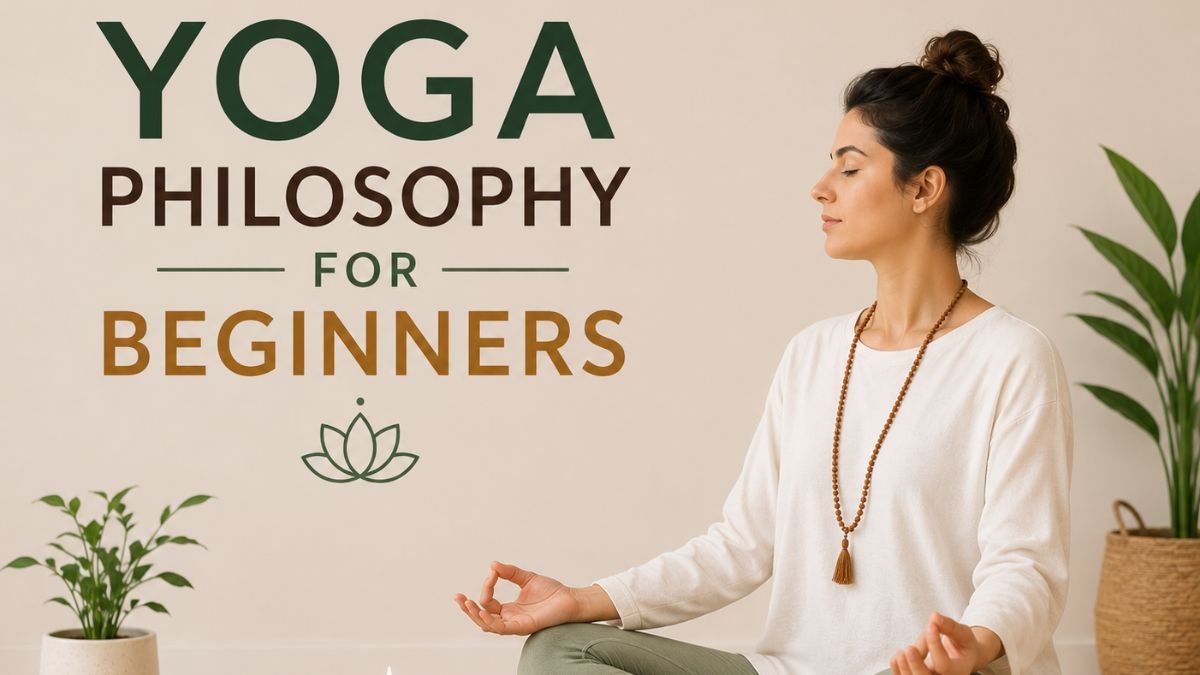
Quick answer: Yoga philosophy for beginners introduces ideas about awareness, ethics, discipline, and living with
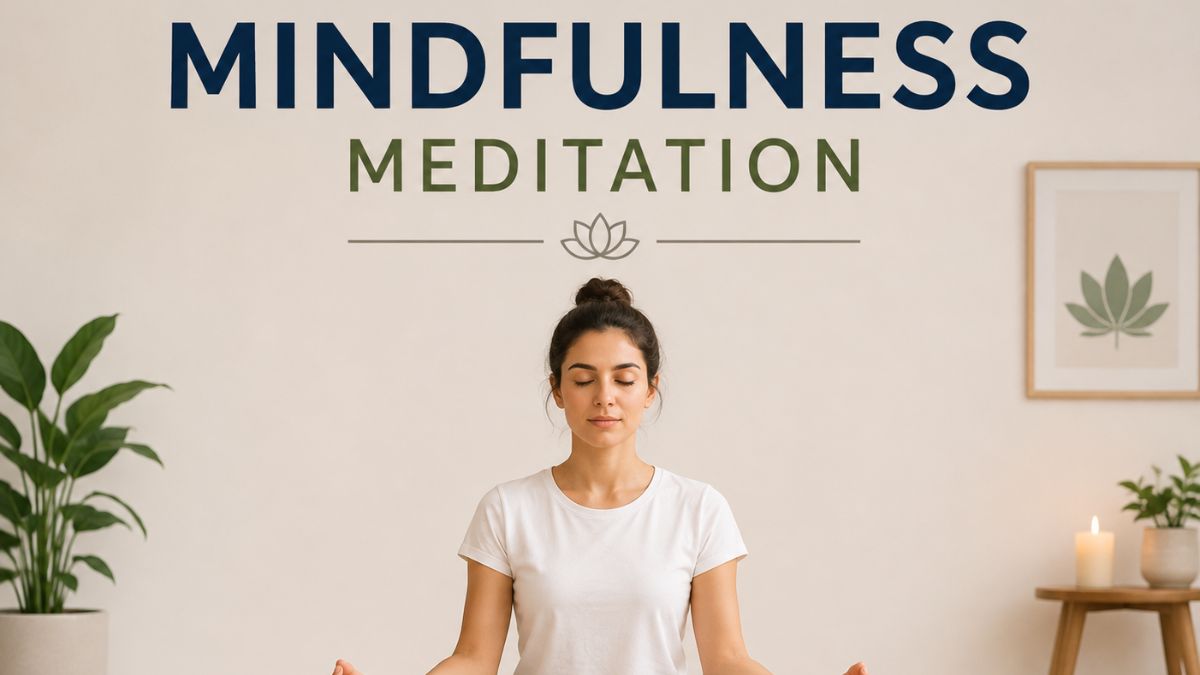
mindfulness meditation is a simple way to slow down and pay attention to what is
Navigate our main content categories including Yoga Basics, Meditation & Mindfulness, Pranayama, Yoga for Health, and Lifestyle & Wellness. Each category provides focused content, tutorials, and tips designed to deepen your understanding and practice of yoga.
Explore yoga poses, routines, and techniques that may support strength, mobility, posture awareness, and mindful movement in daily life. Choose a pace that feels comfortable, and use qualified guidance when you need help with form.
Meditation methods may help some people relax and focus. Results vary, and meditation is not a substitute for professional mental-health care.
Discover workouts and stretches that may support strength, mobility, and an active lifestyle. Move gradually, respect your limits, and seek qualified guidance for pain, injury, or uncertainty.
Explore practical habits and mindful routines that can support balance and everyday wellbeing. Choose small, realistic changes that fit your schedule rather than expecting instant results.
Explore yoga philosophy, awareness, ethics, and mindful living through practical ideas that connect inner clarity with everyday choices.
Whether you are starting your yoga journey or looking to build a consistent routine, YogaPoints helps you stay focused on physical health, mental clarity, and long-term well-being through informative and thoughtfully curated content.
There is no single best time. Morning works well for some people, but a comfortable, consistent time is usually more important than the clock.
Many beginners start with two or three comfortable sessions each week. Increase gradually if your body recovers well; consistency matters more than a fixed number.
Yoga can be modified for many ages, but the right variation depends on mobility, health, and experience. Use support and qualified guidance when needed.
Yoga may help some people feel calmer, especially when paired with slow breathing and regular practice. It is not a replacement for mental-health care.
A mat and comfortable clothing are usually enough. Props such as blocks or straps are optional and can make some movements easier.
A session can last a few minutes or longer. Choose a duration you can repeat comfortably; consistency matters more than reaching a fixed time.
Yoga may complement regular movement, sleep, and balanced eating habits, but it is not a guaranteed weight-management method.
Meditation is an optional part of many yoga traditions. Some people include mindful breathing or quiet attention, while others focus mainly on movement.
Regular, comfortable practice may support mobility and body awareness over time. Progress varies, so avoid forcing a stretch or comparing your range with someone else.
Consider speaking with a clinician before starting if you have an injury, medical condition, recent surgery, pregnancy-related concerns, or persistent symptoms.