
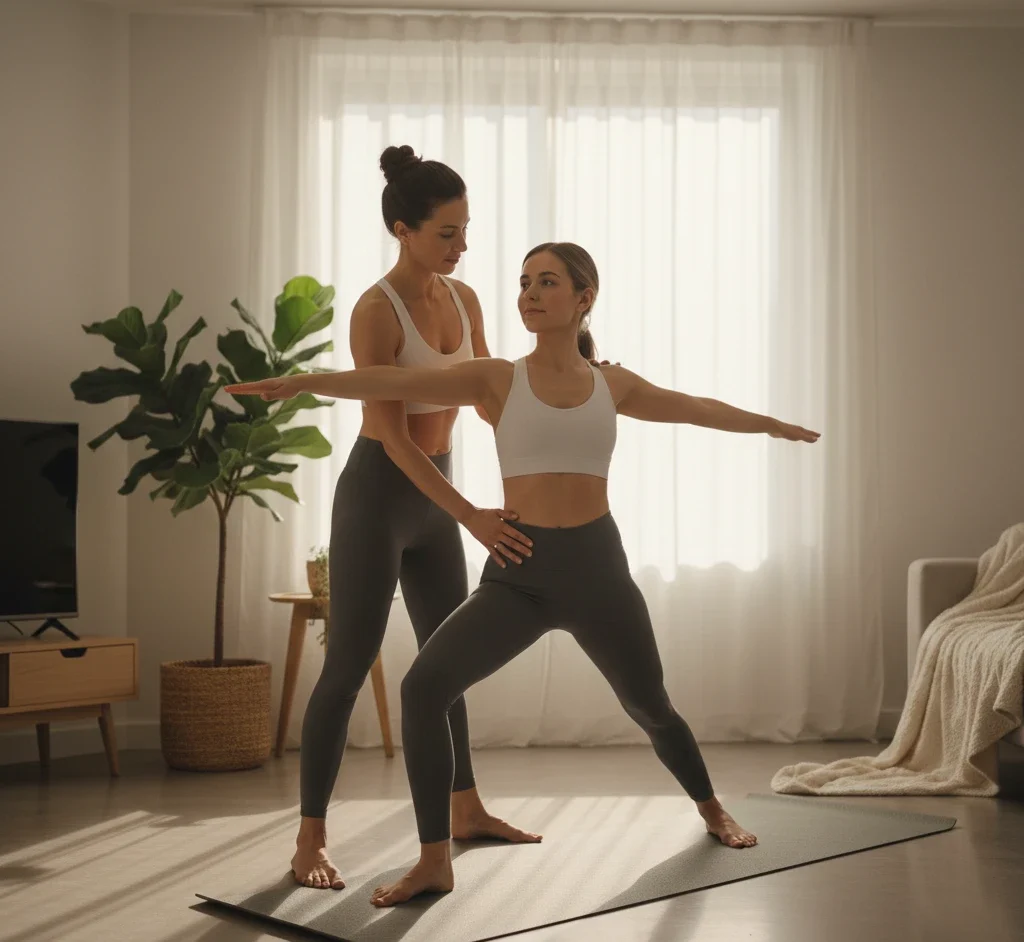
Starting yoga as a beginner can feel confusing, but following clear and structured yoga steps makes the journey simple and enjoyable. This complete beginner yoga guide explains each step, posture, and routine in detail, helping you safely build flexibility, strength, balance, and mental calm from home.
Why Learn Yoga in Simple Steps?
Learning yoga through simple, step-by-step instructions allows beginners to progress safely without feeling overwhelmed. A structured approach helps the body adapt gradually, reduces the risk of injury, and builds confidence over time.
Benefits of Following Yoga Steps
- Builds flexibility gradually: Step-by-step yoga stretches gently lengthen muscles over time, allowing beginners to increase flexibility without forcing the body. This gradual approach protects muscles and joints while improving mobility in key areas such as the hips, spine, shoulders, and hamstrings, which are often tight due to prolonged sitting or inactivity.
- Improves strength and balance: Basic yoga positions engage stabilizing muscles that are often underused in daily life. By holding simple poses with proper alignment, beginners develop core strength, leg stability, and balance, which supports better posture and reduces the risk of falls or injuries.
- Reduces stress and tension: Gentle yoga exercises paired with mindful breathing help calm the nervous system and shift the body out of stress mode. This combination reduces muscle tension, lowers mental fatigue, and promotes relaxation, making yoga especially beneficial for beginners dealing with daily stress or anxiety.
- Creates a consistent yoga habit: Clear and structured daily yoga steps remove confusion and make practice easier to maintain. When beginners know exactly what to do, they are more likely to stay consistent, gradually building a sustainable yoga routine that supports long-term physical and mental well-being.
How to Begin Yoga as a Beginner
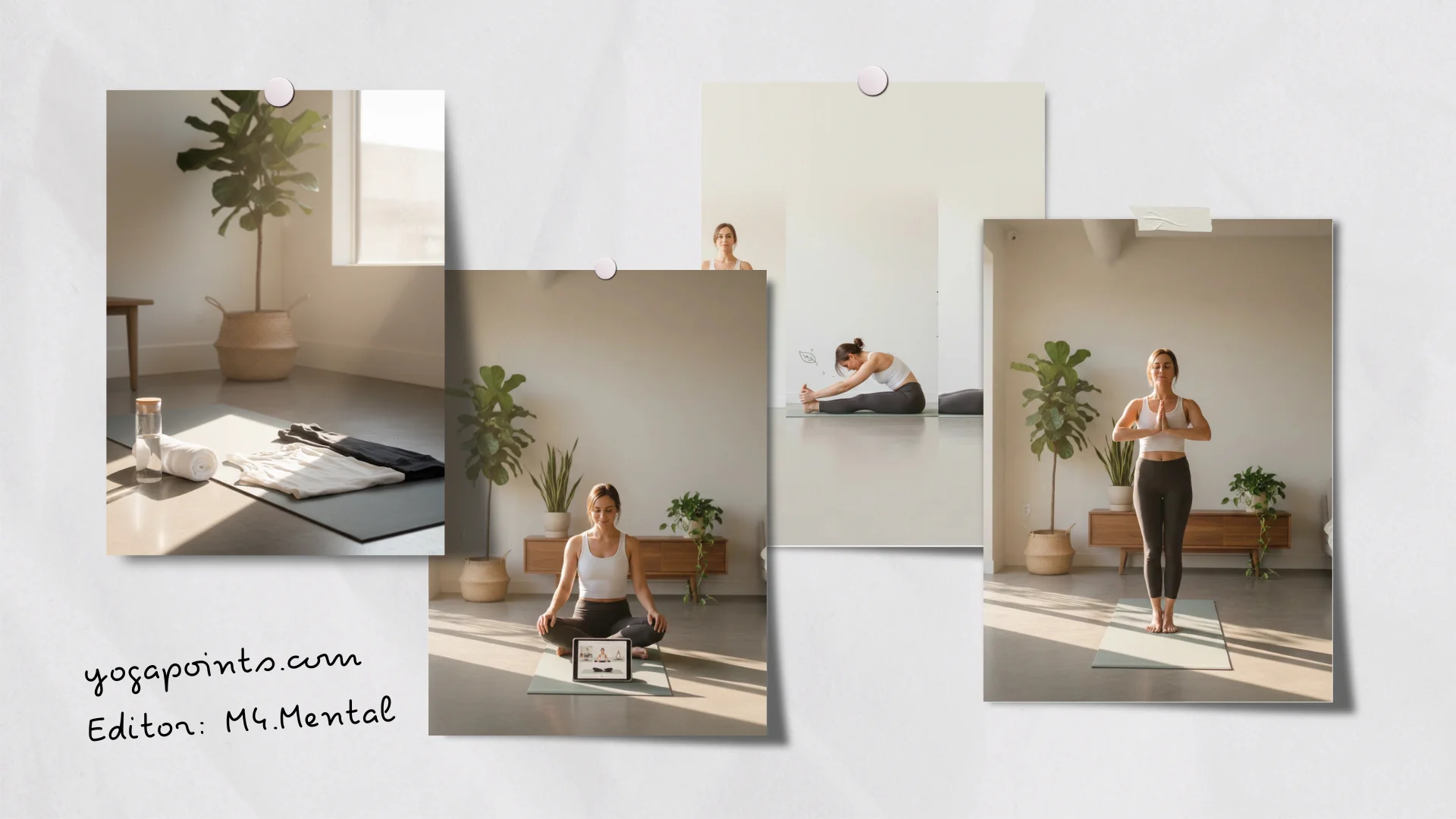
Preparing correctly before starting yoga ensures a safe, comfortable, and enjoyable experience, especially for first-time practitioners.
Preparation Steps
- Choose a quiet space: Practicing yoga in a calm, quiet environment helps beginners focus on their movements and breathing without distractions. A peaceful space supports mental relaxation, improves concentration, and allows deeper connection between the body and mind, which enhances the overall effectiveness of each yoga session.
- Use a comfortable yoga mat: A high-quality, non-slip yoga mat provides essential grip and cushioning, especially for beginners. It helps protect sensitive joints such as knees, wrists, and ankles while maintaining stability during basic yoga routines, reducing the risk of slipping or discomfort.
- Wear flexible clothing: Stretchable and breathable clothing allows the body to move freely through different yoga poses. Proper attire supports correct alignment, prevents restriction during stretches, and helps beginners stay comfortable and confident throughout their yoga practice.
- Keep water nearby: Staying hydrated during yoga supports muscle function and recovery, particularly for beginners who are still adapting to physical activity. Having water nearby helps prevent fatigue, supports circulation, and ensures a safe and refreshing yoga experience.
Step-by-Step Yoga Poses for Beginners
Beginners should start with simple yoga poses that are easy to perform, gentle on the joints, and effective for overall body conditioning.
Basic Yoga Postures
- Mountain Pose (Tadasana): This foundational yoga pose teaches proper posture and body alignment by evenly distributing weight through the feet and engaging the core. Practicing Mountain Pose helps beginners develop balance, stability, and body awareness, creating a strong foundation for all other yoga poses.
- Cat-Cow Stretch: This gentle spinal movement flows between flexion and extension, helping to warm up the spine and surrounding muscles. It improves spinal flexibility, reduces stiffness caused by prolonged sitting, and encourages mindful breathing, making it ideal for beginners.
- Downward Dog: A classic full-body stretch that strengthens the arms, shoulders, and legs while lengthening the spine. Downward Dog improves circulation, stretches tight hamstrings and calves, and builds upper-body strength, making it a key pose in beginner yoga routines.
- Child’s Pose: This deeply restorative posture allows the body to relax and recover. Child’s Pose gently stretches the hips and lower back, relieves tension, and promotes calm breathing, making it an essential resting pose for beginners during or after practice.
- Cobra Pose: Cobra Pose opens the chest and strengthens the lower back by gently extending the spine. It helps improve posture, counteracts the effects of slouching, and increases spinal mobility while keeping the pose safe and accessible for beginners.
Easy Yoga Stretches for Beginners
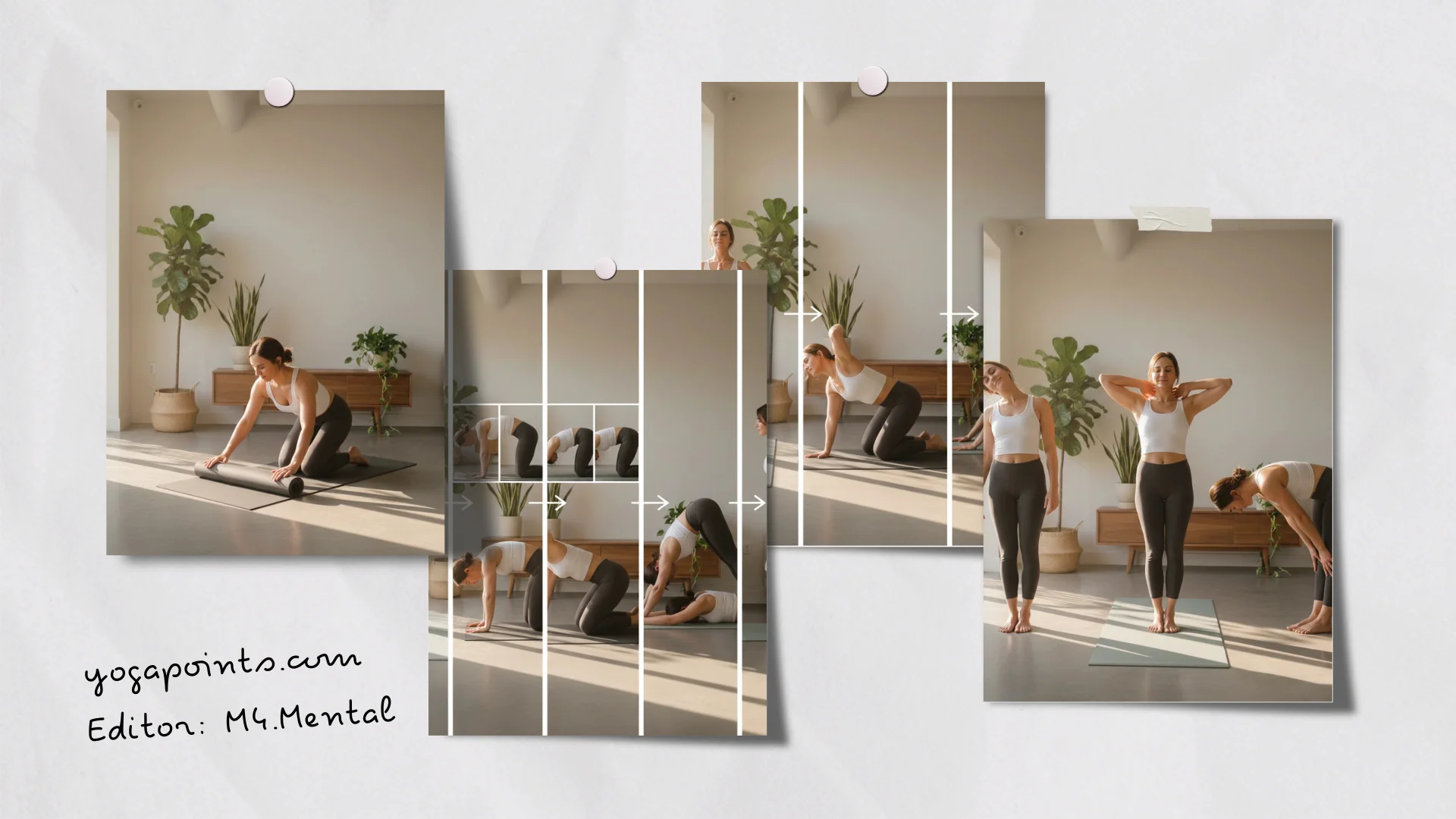
Easy yoga stretches help beginners gently warm up the body, improve mobility, and release everyday tension without strain. These stretches prepare muscles and joints for yoga poses while promoting relaxation and body awareness.
- Neck stretches: Neck stretches gently loosen tight muscles around the neck and shoulders that often become stiff due to stress, screen time, or prolonged sitting. Practicing slow neck movements helps reduce headaches, improve posture, and create a sense of relaxation before deeper yoga practice.
- Shoulder rolls: Shoulder rolls improve mobility in the shoulder joints while releasing built-up tension in the upper back and neck area. This stretch is especially helpful for beginners who experience stiffness from desk work or poor posture, helping to restore smooth and comfortable movement.
- Side stretches: Side stretches lengthen the spine and stretch the muscles along the torso, including the waist and ribcage. These movements improve flexibility, support better breathing, and help create space in the upper body, making yoga poses feel more comfortable and accessible.
- Forward fold: Forward folding stretches the hamstrings, calves, and lower back while calming the nervous system. This stretch promotes relaxation, reduces stress, and improves flexibility gradually, making it ideal for beginners when practiced with bent knees and controlled breathing.
Simple Beginner Yoga Routine
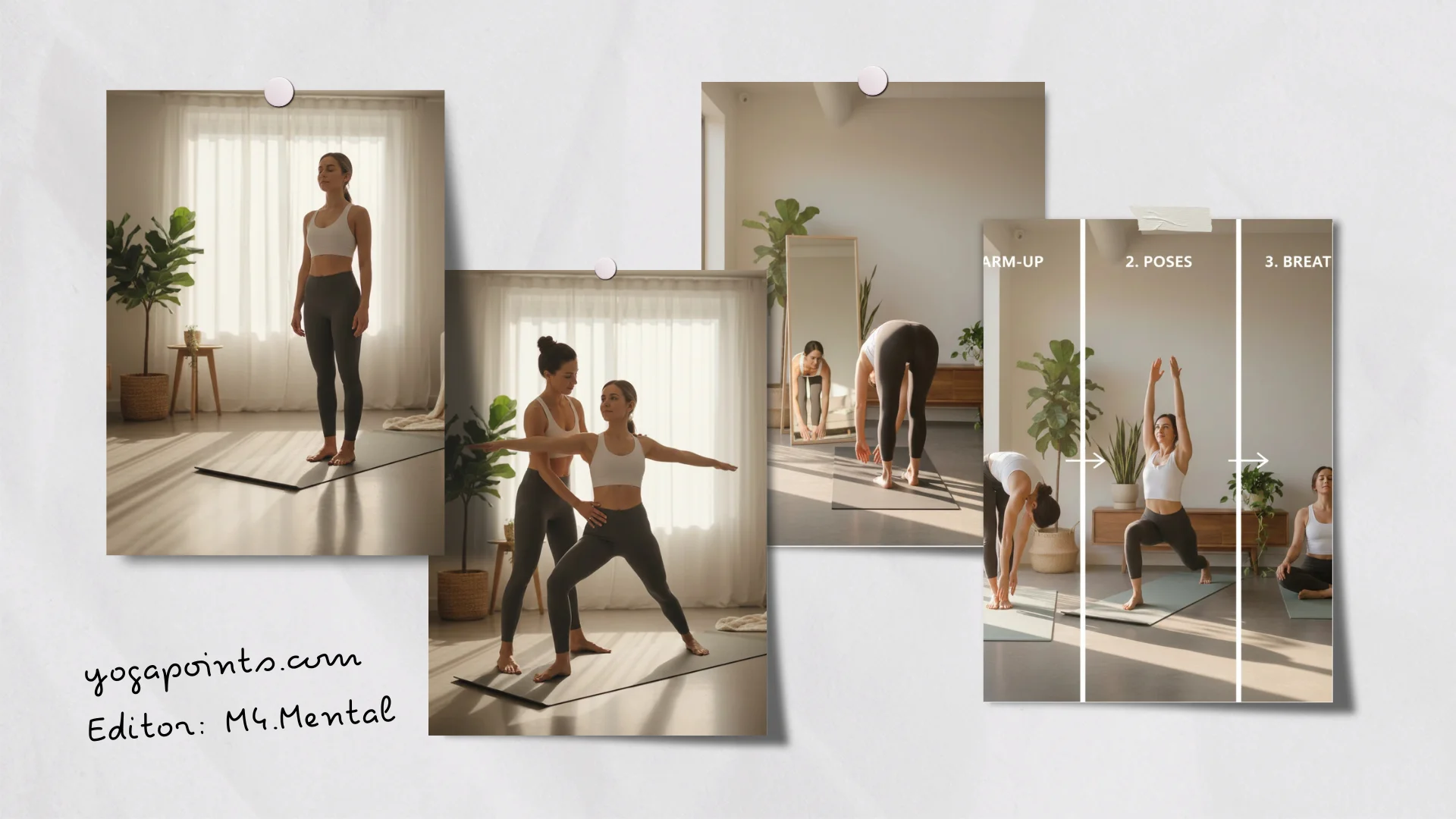
A simple beginner yoga routine provides a balanced approach that builds strength, flexibility, and mindfulness without overwhelming the body. Short, structured sessions help beginners stay consistent while allowing the body to adapt safely over time.
Daily Step-by-Step Routine
- 2–3 minutes warm-up stretches: Warm-up stretches gently activate muscles and lubricate the joints, reducing stiffness and lowering the risk of injury. These movements prepare the body for yoga poses and help beginners transition smoothly into physical activity.
- 5–7 minutes easy yoga poses: Practicing easy yoga poses during this phase builds foundational strength, balance, and flexibility. Beginners can focus on proper alignment, controlled breathing, and steady movement to gain confidence and body awareness.
- 2–3 minutes deep breathing and relaxation: Deep breathing and relaxation help calm the mind, reduce stress, and support recovery after physical movement. This final phase enhances the benefits of yoga by improving focus, emotional balance, and overall well-being.
Tips for Beginners Following Yoga Steps
Following mindful yoga tips allows beginners to practice safely, avoid injury, and experience steady progress. These guidelines support long-term success by encouraging awareness, patience, and self-care during yoga practice.
Advice to Avoid Common Mistakes
- Move slowly and mindfully: Slow, controlled movements help beginners maintain proper alignment and reduce the risk of strain or injury. Moving mindfully also improves focus and allows the body to adapt naturally to each pose.
- Focus on proper alignment: Correct alignment ensures that muscles engage effectively while protecting the joints. Paying attention to posture helps beginners build strength safely and improves the overall effectiveness of yoga poses.
- Don’t overstretch or force poses: Forcing the body into positions can lead to muscle strain or discomfort. Beginners should respect their current flexibility level and allow progress to develop gradually through consistent practice.
- Listen to your body: Listening to physical signals helps beginners avoid injury and practice yoga safely. Taking breaks, modifying poses, and resting when needed support a sustainable and enjoyable yoga journey.
Conclusion—Start Your Yoga Journey
Yoga for beginners becomes truly effective when it is practiced step by step with patience and consistency. Rather than focusing on perfection, beginners benefit most by building a strong foundation through simple movements, proper alignment, and controlled breathing. This gradual approach allows the body to adapt safely while reducing the risk of injury.
With regular practice, yoga improves physical health by increasing flexibility, strengthening muscles, enhancing posture, and supporting joint mobility. Over time, even short daily sessions can lead to noticeable improvements in balance, coordination, and overall body awareness, making everyday movements easier and more comfortable.
Beyond physical benefits, yoga plays a powerful role in mental and emotional well-being. Mindful breathing and gentle poses help calm the nervous system, reduce stress, and improve focus. As beginners develop a steady practice, yoga becomes a valuable tool for managing anxiety, improving sleep quality, and cultivating emotional balance.
Starting your yoga journey is not about intensity or complexity—it is about consistency, self-awareness, and progress at your own pace. By following clear yoga steps, listening to your body, and maintaining a positive mindset, yoga can become a sustainable daily habit that supports long-term health, inner calm, and overall quality of life.
Final Tips for Beginners
- Begin with short sessions: Starting with short yoga sessions helps beginners build confidence without overwhelming the body or mind. Practicing for 10–15 minutes allows muscles, joints, and breath awareness to adapt gradually. Short daily sessions also reduce the risk of fatigue or injury while making yoga easier to fit into a busy routine.
- Build consistency daily: Consistent practice is more important than intensity for beginners. Daily yoga, even in small amounts, helps improve flexibility, strength, balance, and posture over time. Regular movement trains the body to respond better to stretches and poses, creating lasting physical benefits and establishing a healthy, sustainable habit.
- Enjoy the learning process: Yoga is a personal journey, not a competition. Beginners should focus on progress rather than perfection, allowing their bodies to move naturally within comfortable limits. By enjoying the learning process and respecting individual abilities, yoga becomes a mindful and rewarding practice that supports both physical growth and emotional well-being.
Frequently Asked Questions (FAQs)
- Can beginners follow yoga steps at home?
Yes, step-by-step yoga instructions make home practice safe and effective. - How long should a beginner session last?
10–15 minutes is ideal for establishing a daily habit. - Do I need special equipment?
A yoga mat and comfortable clothing are sufficient. - Which poses are best for beginners?
Mountain Pose, Cat-Cow, Downward Dog, Child’s Pose, and Cobra Pose are ideal. - Should I warm up before yoga?
Yes, gentle warm-up stretches help prevent injuries. - Can beginners improve flexibility?
Yes, flexibility improves gradually with consistent practice. - Is breathing important in yoga?
Yes, mindful breathing enhances relaxation and pose effectiveness. - Can poses be modified?
Yes, beginners should modify poses according to comfort. - How often should beginners practice?
Daily short sessions are most effective. - Does yoga help with stress relief?
Yes, gentle yoga and breathing calm the mind and reduce stress.