
 alt=”Two people practicing a supported partner yoga pose” title=”Two people practicing a supported partner yoga pose”
What Is Partner Yoga?
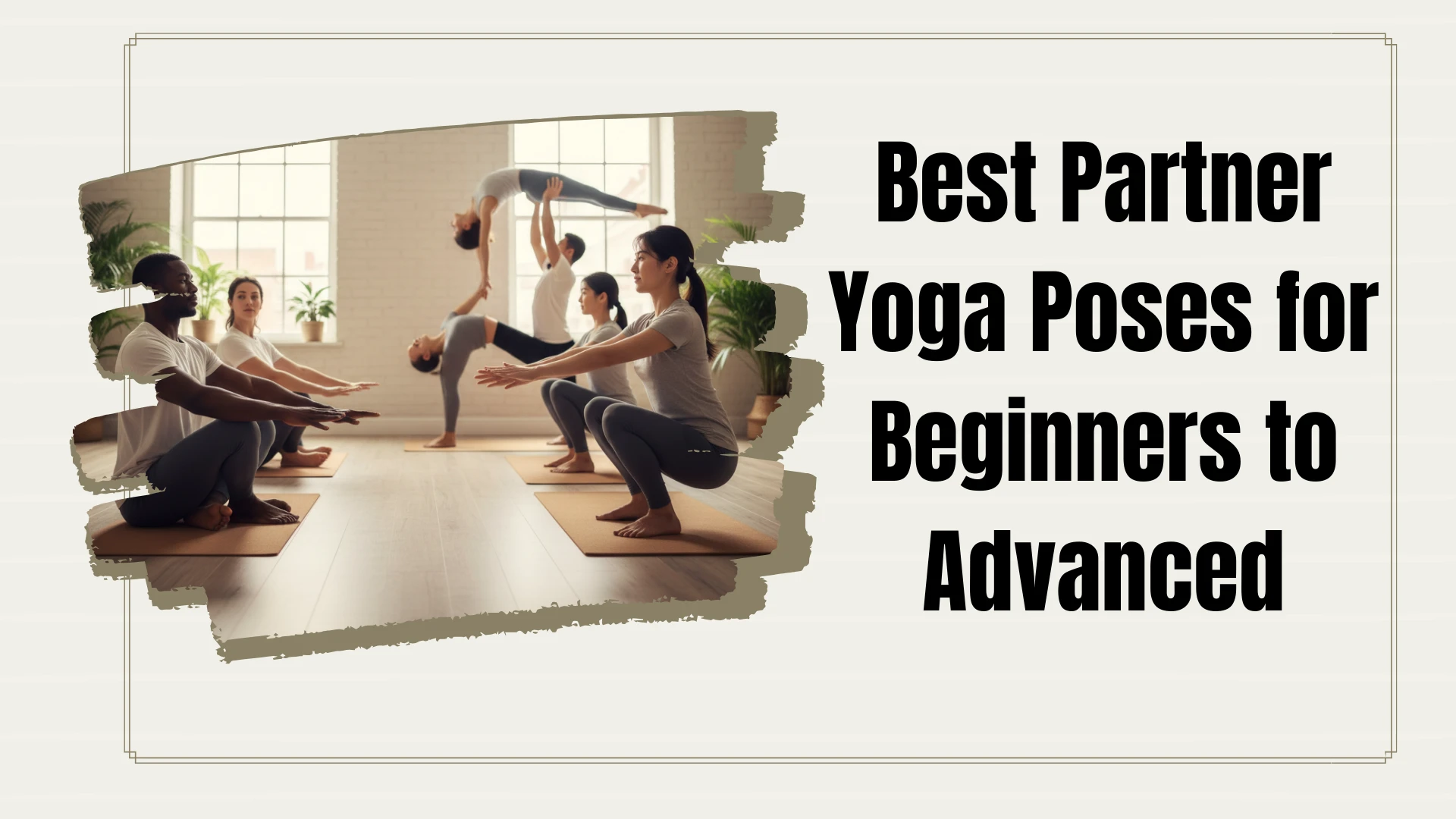
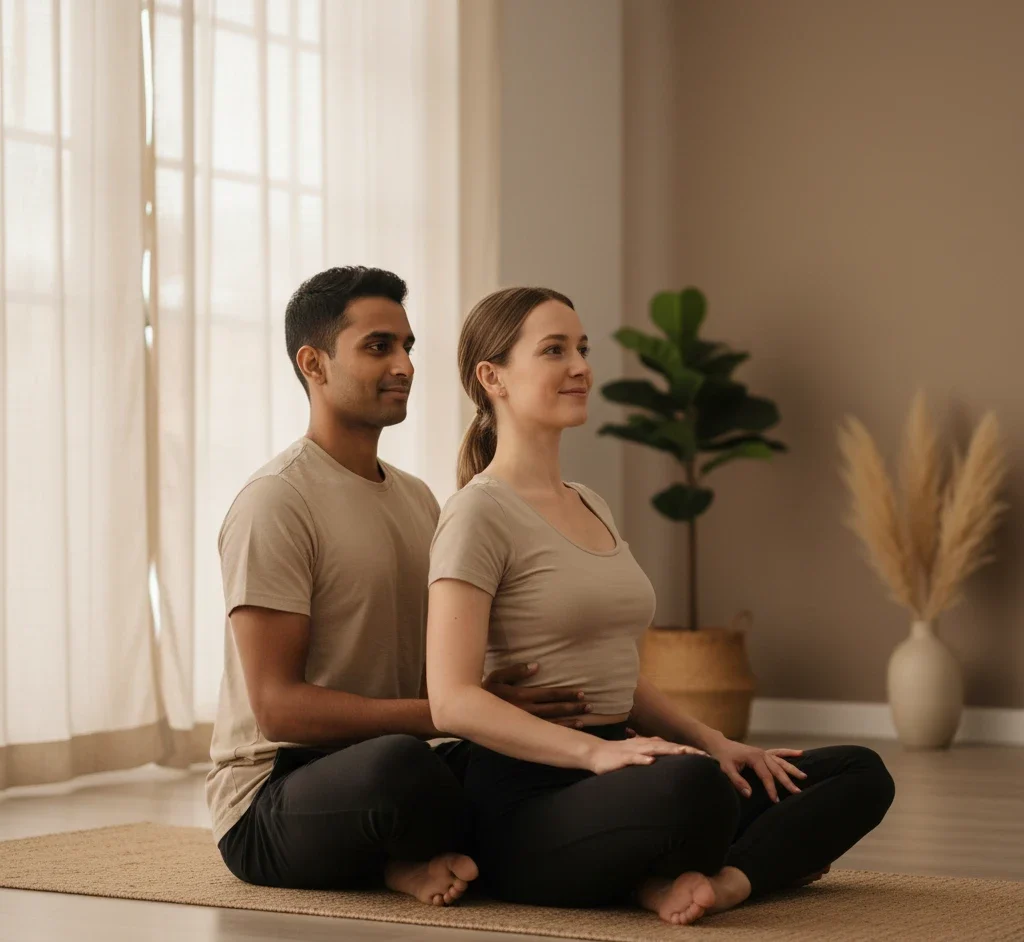
Partner yoga is a style of yoga where two people support each other during different poses. Sometimes both partners do the same shape. Other times, one person gives support while the other stretches, balances, or lifts.
It can include:
- Gentle stretching
- Balance work
- Breathing exercises
- Trust-building poses
- Strength-based yoga poses
- Acro-style movements for advanced students
Unlike solo yoga, partner yoga asks you to communicate. You may need to say, “Go slower,” “I need more support,” or “This feels good.” That makes the practice feel more connected and mindful.
Key Benefits of Partner Yoga
paired practice offers more than physical stretching. It builds body awareness and connection at the same time.
It Improves Flexibility
Many paired practice poses help you stretch deeper because your partner gives gentle support. For example, in Partner Forward Fold, one person can help the other lengthen the spine and release tight hamstrings.
It Builds Strength
Some poses, such as Partner Plank or Flying Superman Pose, require strong arms, core control, and steady legs. These poses make the body work in a balanced way.
It Builds Trust
You have to rely on your partner in many poses. This builds trust naturally, especially when practicing balance or supported poses.
It Helps With Communication
paired practice teaches clear, simple communication. You learn to listen to your own body and your partner’s comfort level.
It Makes Yoga More Enjoyable
Yoga does not always have to feel serious. paired practice can be light, fun, and even a little funny when balance gets tricky.
How to Prepare for paired practice
A little preparation makes the practice safer and more comfortable.
Choose the Right Partner
Pick someone who is willing to listen and move slowly. You do not need someone with the same body type or flexibility level, but patience matters.
Warm Up First
Do a short warm-up before trying paired practice poses. Simple movements can help:
- Neck rolls
- Shoulder circles
- Cat-cow stretch
- Gentle lunges
- Seated forward folds
- A few rounds of breathing
Use a Yoga Mat
A non-slip mat gives better grip, especially during balance poses or any plank pose variation.
Start With Easy Poses
Begin with simple seated or standing poses before moving into intermediate or advanced shapes.
Talk Before You Move
Agree on simple words like:
- “Stop”
- “Slower”
- “More support”
- “Come down”
This makes the practice safer and more relaxed.
Safety Tips
paired practice should feel supportive, not forced. Never push someone into a shape.
Keep these safety tips in mind:
- Move slowly and avoid sudden pulling.
- Keep breathing steady.
- Stop if there is sharp pain.
- Do not practice advanced flying poses without proper guidance.
- Avoid deep backbends if you have back pain.
- Keep joints soft, not locked.
- Make sure both partners understand the pose before trying it.
- Use a wall or teacher for support when needed.
If one person feels unsafe, come out of the pose right away.
Who Can Do paired practice?
paired practice can be practiced by many people, including beginners. Friends, couples, family members, and yoga students can all try it.
It may be suitable for:
- Beginners who want gentle stretching
- Couples who want a mindful activity
- Friends looking for fun yoga poses
- Athletes working on mobility
- Yoga students building balance and strength
People with injuries, pregnancy, joint problems, or serious back issues should speak with a qualified yoga teacher or healthcare professional before trying deeper paired practice poses.
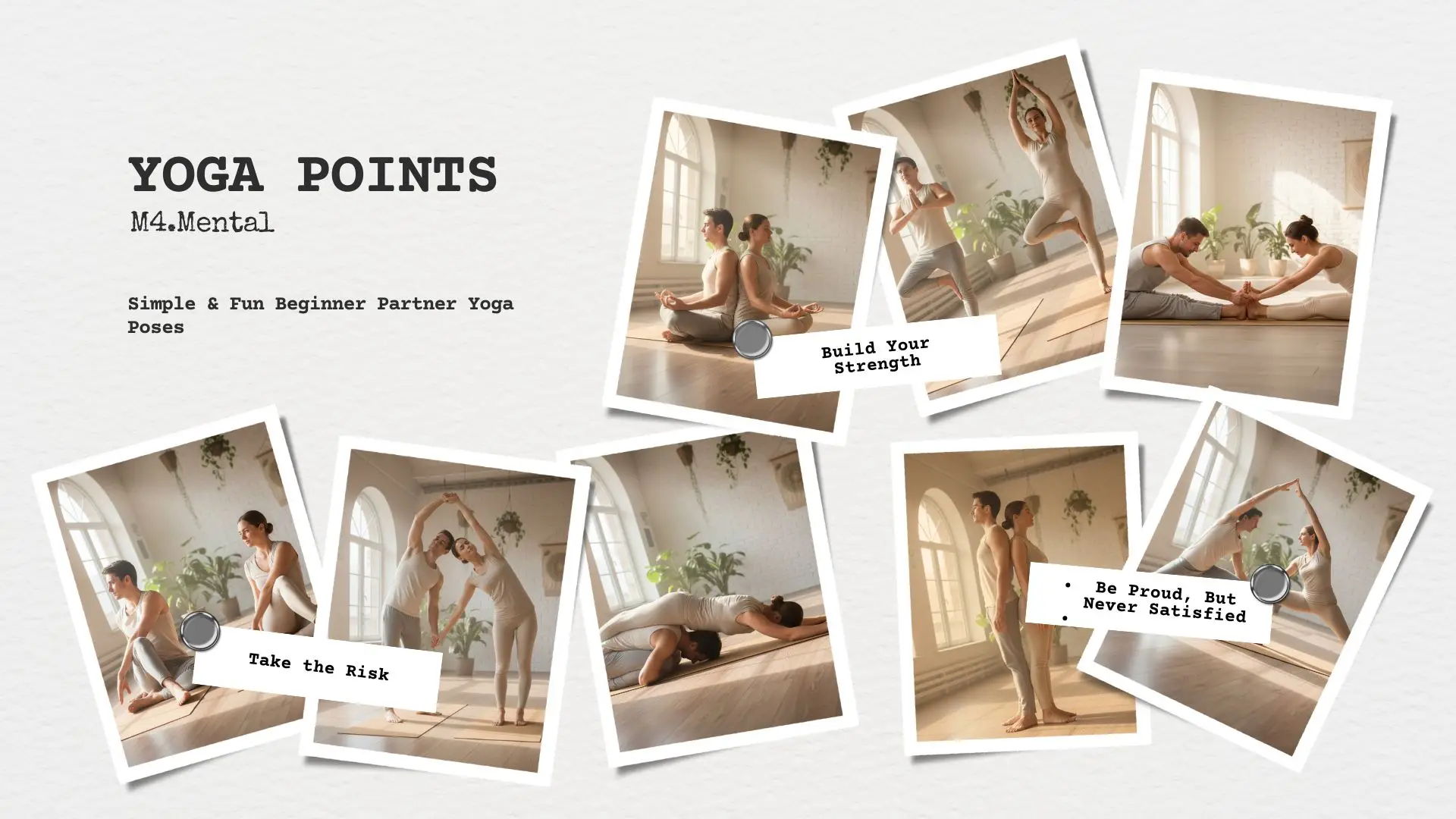
10 Simple & Fun Beginner paired practice Poses
These beginner poses are a good place to start. They focus on stretching, breathing, balance, and light support.
1. Partner Forward Fold
Partner Forward Fold is a gentle hamstring and back stretch.
Sit on the floor facing each other with your legs straight and feet touching. Hold each other’s hands or wrists. One partner slowly leans back while the other folds forward.
Keep the spine long instead of rounding too much. Switch sides after a few breaths.
Good for: hamstrings, lower back, hips, and relaxation.
2. Seated Spinal Twist
Sit back-to-back with crossed legs. Place your right hand on your own left knee and your left hand on your partner’s right knee. Gently twist to one side while keeping the spine tall.
Breathe slowly and avoid forcing the twist. Repeat on the other side.
Good for: spine mobility, posture, and gentle back release.
3. Double Tree Pose
Stand side by side. Each person stands on the outside leg and places the inside foot against the ankle, calf, or thigh. Avoid pressing the foot into the knee.
Wrap your inside arms around each other for support. Your outer arms can lift overhead or rest at the heart.
Good for: balance, focus, and body awareness.
4. Temple Pose
Stand facing each other with feet wide legged. Raise your arms reaching forward and place your palms or forearms against your partner’s.
Slowly walk your feet back and hinge from the hips until both of you feel a stretch through the shoulders, chest, and back.
Keep the knees slightly soft.
Good for: shoulders, chest, upper back, and hamstrings.
5. Partner Boat Pose
Sit facing each other with knees bent and toes touching. Hold hands. Slowly lift one foot each, then the other, bringing the soles of your feet together.
Try to straighten the legs if comfortable. Keep the chest lifted and core active.
Good for: core strength, balance, and coordination.
6. Partner Child Pose
One partner comes into Child’s Pose with knees wide and arms forward. The other partner gently places hands on their back or hips for light support.
Do not press hard. The touch should feel calming, not heavy.
Switch roles after a few breaths.
Good for: lower back, hips, shoulders, and relaxation.
7. Back-to-Back Breathing Pose
Sit back-to-back in a comfortable seated position. Close your eyes if that feels okay. Notice your partner’s breath and let your own breathing slow down.
Try breathing together for one to three minutes.
Good for: relaxation, connection, and nervous system calming.
8. Supported Mountain Pose
Stand back-to-back with feet hip-width apart. Press gently into each other’s backs. Let the arms rest by your sides or lift them overhead.
Feel the support of your partner while standing tall.
Good for: posture, grounding, and balance.
9. Side Bend Stretch Pose
Stand or sit side by side. Hold your partner’s hand with your inside hand. Raise your outer arm overhead and lean gently away from each other.
For example, if you are on the right side, your left hand may hold your partner while your right arm reaches up and over.
Good for: side body, ribs, shoulders, and breath expansion.
10. Partner Shoulder Stretch
Stand facing each other. Place your hands on your partner’s shoulders while they place their hands on yours. Slowly step back and lower your chest until you feel a stretch in the shoulders.
Keep your back long and knees soft.
Good for: tight shoulders, upper back, and chest opening.
 alt=”Partner balance pose with clear hand support” title=”Partner balance pose with clear hand support”
Learn More : Tapas Yoga Meaning Self Discipline
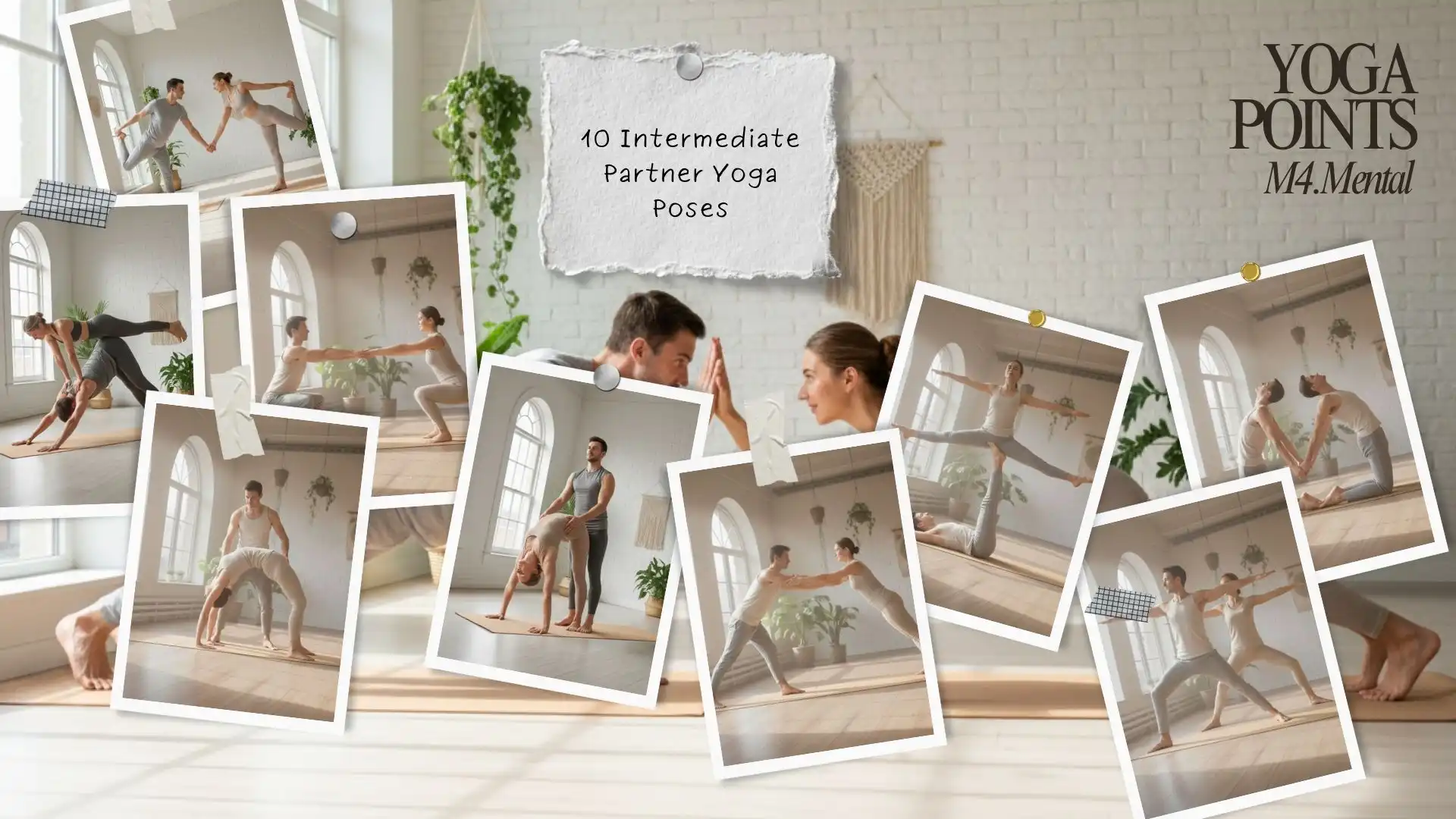
10 Intermediate paired practice Poses
These poses need more balance, strength, and body control. Practice slowly and stay patient.
1. Supported Backbend
Stand back-to-back with feet grounded. One partner gently leans into a backbend while the other supports them by standing steady.
Keep the movement small at first. Avoid dropping the head too far back.
Good for: chest, spine, shoulders, and trust.
2. Partner Downward Dog
One partner comes into Downward Dog. The second partner stands in front and places their hands on the floor, then carefully places feet on the first partner’s lower back or hips.
This should only be done with control and clear communication.
Good for: shoulders, hamstrings, core, and upper body strength.
3. Double Dancer Pose
Stand facing each other. Each partner bends one knee and holds the foot or ankle behind them. Hold your partner’s opposite hand for balance.
Slowly lift the chest and press the foot into the hand.
Good for: balance, thighs, hip flexors, and chest opening.
4. Partner Plank
One partner comes into a strong plank pose with arms straight and core engaged. The second partner places hands on the first partner’s ankles or calves and steps into plank facing the opposite direction.
Keep the legs straight and hips level.
Good for: core, shoulders, arms, and full-body strength.
5. Double Warrior Pose
Stand facing away from each other or side by side, depending on the version. Step one foot forward into Warrior II. Bend the front knee while keeping the back leg strong.
If your left knee is forward, make sure it tracks over the ankle and does not collapse inward. Reach arms wide and connect through the fingertips or hands.
Good for: legs, hips, balance, and focus.
6. Flying L Pose
One partner lies on the back with legs lifted. The standing partner leans forward and places hips or lower belly onto the base partner’s feet.
The flyer keeps the body in an L-shape with legs straight. Hands can connect for support.
Good for: core control, balance, and trust.
7. Partner Camel Pose
Kneel facing each other. Hold each other’s forearms or hands. Slowly lift the chest and lean back into a gentle Camel Pose shape.
Keep the hips pressing forward and avoid collapsing into the lower back.
Good for: chest, thighs, hip flexors, and front body opening.
8. Partner Wheel Assist
One partner prepares for Wheel Pose. The other partner stands near the head or shoulders and offers support as they lift.
This pose needs experience. Do not force the lift if the back, wrists, or shoulders feel strained.
Good for: backbend strength, chest opening, and shoulder mobility.
9. Double Chair Pose
Stand back-to-back with feet slightly forward. Press backs together and slowly bend the knees as if sitting in a chair.
Keep weight in the heels and breathe steadily.
Good for: thighs, glutes, core, and teamwork.
10. Leaning Tower Pose
Stand facing each other and hold hands. Keep feet grounded and slowly lean away from each other while keeping the body straight.
The arms stay strong, and both partners create equal balance.
Good for: trust, grip strength, core control, and balance.
 alt=”Beginner partner yoga stretch with safe alignment” title=”Beginner partner yoga stretch with safe alignment”
Learn More : Amazing Thread the Needle Pose Benefits
5 Advanced paired practice Poses
Advanced paired practice poses require strength, trust, and proper technique. These are best practiced with an experienced teacher, especially if flying or lifting is involved.
1. Airplane Plank
One partner lies on the back with legs lifted. The flyer places hips onto the base partner’s feet and extends the body forward like an airplane.
The flyer keeps arms reaching forward or out to the sides. The base keeps legs strong and steady.
Good for: balance, core, legs, and partner coordination.
2. Flying Superman Pose
The base lies on the back with feet placed at the flyer’s hips. The flyer leans forward and lifts into the air with chest open and legs extended behind.
Hands may connect at first, then release only when both partners feel stable.
Good for: trust, core strength, back body engagement, and balance.
3. Flying Bow Pose
This is a deeper flying backbend. The flyer lifts into the air, bends the knees, and reaches back to hold the ankles, creating a Bow Pose shape.
The base must stay strong and stable. This pose should not be rushed.
Good for: deep front body stretch, back strength, and advanced balance.
4. Square Pose
Both partners create a square-like shape using strong arms and legs. One partner may support the other in an elevated position, depending on the variation.
This pose requires good shoulder stability, core strength, and clear timing.
Good for: strength, structure, balance, and control.
5. Star Pose
Star Pose is a classic advanced acro-yoga shape. The base supports the flyer, who extends arms and legs outward like a star.
This pose needs confidence, spotting, and careful alignment.
Good for: full-body strength, balance, trust, and advanced coordination.
Learn More : Lizard Pose: Benefits, Steps, Modifications, and Safety Tips
Final Thoughts
paired practice is not about perfect shapes or advanced flexibility. It is about moving with awareness, communicating clearly, and enjoying the practice with another person. Start with simple paired practice poses like Back-to-Back Breathing, Partner Forward Fold, Double Tree Pose, and Partner Boat Pose. Once you feel steady, you can slowly explore stronger paired practice poses like Partner Plank, Double Chair, or Supported Backbend.
Keep it light. Laugh when balance gets messy. Pause when something feels off. The best paired practice poses are the ones where both people feel safe, supported, and connected.
Quick answer: paired practice is a shared practice where two people use communication, balance, and gentle support to move through yoga poses together. Beginners should start with stable, low-risk shapes before trying lifts or flying poses.
Safety and Balance
Agree on clear words such as stop, slower, and come down before moving. Never pull, push, or lift a partner without consent and control. Use a non-slip mat, warm up first, and avoid advanced acro poses without trained supervision. Stop for pain, dizziness, or fear.
Frequently Asked Questions
Is paired practice suitable for beginners?
Yes. Start with seated breathing, back-to-back support, gentle forward folds, or supported standing poses.
What should partners discuss before starting?
Discuss injuries, comfort levels, pressure, balance, and a clear stop signal before trying a pose.
Are flying paired practice poses safe?
They require strength, spotting, and proper instruction. Beginners should avoid them unless guided by a qualified teacher.
Can paired practice be practised with different flexibility levels?
Yes. Use blocks, shorter ranges, and supportive variations so both partners can stay comfortable.
Further reading: For general yoga safety information, see NCCIH: Yoga—What You Need To Know.
