
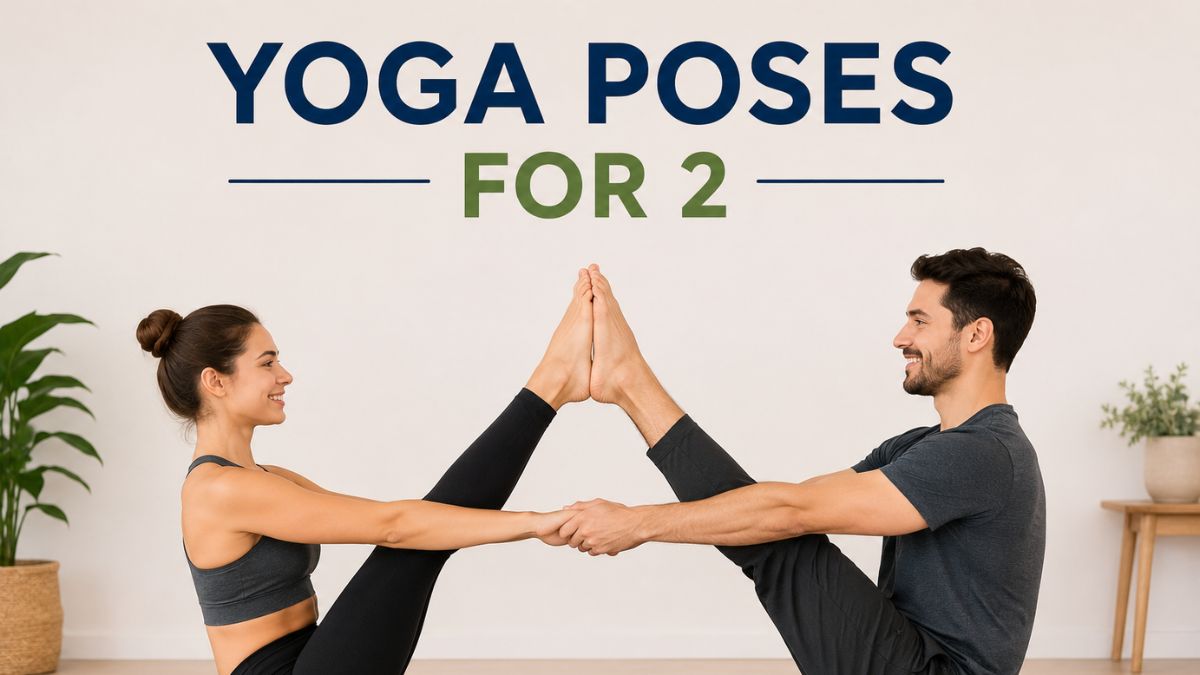
Yoga can be more enjoyable when you practice with someone you trust. yoga poses for 2 are a simple way to stretch, improve balance, and spend quality time together. You do not need to be flexible or experienced to begin. With easy partner yoga movements, two people can support each other and enjoy a calm workout. These poses can also make a normal yoga session more social, active, and fun.
What Are Yoga Poses for 2?
Yoga poses for 2 are yoga movements designed for two people to practice together. They may involve sitting, standing, stretching, balancing, or gently supporting each other. Two person yoga can be useful for beginners because one person may provide light support during a pose. The goal is not to compete. It is to move safely, communicate clearly, and enjoy yoga with a partner.
Benefits of Practicing Yoga Poses for 2
One of the biggest benefits of yoga poses for 2 is better connection. Working together requires communication and trust. Simple partner stretching exercises can also help both people relax tight muscles and improve their range of motion. When you move slowly and breathe together, the practice can feel peaceful. This makes partner yoga a good choice for friends, couples, family members, or workout partners.
1. Seated Partner Forward Stretch
A seated stretch is one of the easiest yoga poses for 2 to try. Sit facing each other with your legs extended. Place your feet against your partner’s feet and hold hands. Slowly lean backward while your partner leans forward. This creates gentle tension through the legs and back. These two person stretches should always feel comfortable. Never pull your partner too hard or force the body into a deeper position.
2. Partner Seated Twist
Another beginner-friendly option among yoga poses for 2 is a seated twist. Sit back-to-back with your legs crossed or extended. Keep your spine tall and slowly turn to one side. You can place one hand on your own knee and gently reach toward your partner’s hand. This movement can support spinal mobility. It is also a simple form of assisted yoga poses when one partner provides light support without forcing the movement.
Yoga Poses With Partner for Better Balance
Balance can become more interesting when two people work together. Yoga poses with partner can help you stay focused and improve body awareness. Start with simple partner balance poses before trying advanced movements. Stand next to your partner and hold one hand. Slowly lift the outside leg while keeping your standing leg strong. If either person feels unstable, lower the leg and reset. A wall nearby can provide extra support.
3. Double Tree Pose
The double tree pose is a fun version of a traditional yoga balance. Stand beside your partner and place your inner hands together. Bend your outside knee and place your foot against your inner leg, avoiding the knee joint. Once both people feel stable, raise your free hands. This is one of the easiest partner yoga exercises for beginners because you can use your partner for support. Keep breathing and focus on a steady point.
4. Partner Boat Pose
For another enjoyable option, sit facing your partner with your knees bent. Hold hands and bring the soles of your feet together. Slowly lift your feet while keeping your knees bent. Try to balance together for a few breaths. This type of yoga for couples can build trust while working the core. If the pose feels difficult, keep your feet lower. Beginners should focus on control rather than trying to make the pose look perfect.
Assisted Yoga Stretches for Beginners
Gentle support can make stretching more comfortable. Assisted yoga stretches should always be done slowly and with clear communication. Ask your partner if the pressure feels comfortable before going deeper. Beginner partner stretches can include simple seated hamstring stretches, shoulder movements, and gentle back stretches. The supporting person should use only light pressure. If there is pain, numbness, or sharp discomfort, stop the exercise immediately.
5. Partner Shoulder Stretch
Stand or sit facing your partner and extend one arm across your chest. Your partner can gently support the arm near the elbow while you relax your shoulder. Hold the stretch for several slow breaths and then switch sides. This simple movement can be included in partner stretching exercises without requiring advanced skills. It is a good choice before or after a longer yoga session, especially if your shoulders feel tight after sitting at a desk.
Try Acro Yoga for Beginners Safely
Acro yoga for beginners combines yoga, balance, and partner support. It can look difficult, but beginners can start with very simple movements. Avoid advanced lifts until both people understand basic balance and communication. A beginner-friendly activity is a supported foot-to-foot balance while lying on the floor. Use a soft surface and have a third person nearby if you are trying a new movement. Safety should always come before performing a difficult pose.
6. Partner Back-to-Back Breathing
Not every one of the best yoga poses for 2 needs to be challenging. Sit back-to-back with your partner and close your eyes if comfortable. Keep your spine upright and take slow breaths. Notice the movement of your partner’s back as they breathe. This simple practice can become one of your favorite yoga bonding exercises because it creates a quiet moment together. Try it for two to five minutes before starting your physical poses.
Make Yoga Poses for 2 More Fun
You do not need a long workout to enjoy yoga poses for 2. Choose three or four movements and practice each one for several breaths. Add fun partner yoga activities such as mirror movements, simple balance challenges, or matching breathing exercises. You can also create a short routine with a friend and practice it regularly. Keeping the session relaxed can make it easier to stay consistent and enjoy the experience.
Tips for Safe Partner Yoga
Safety is important whenever you practice yoga poses for 2. Talk to your partner before each movement and agree on how much support is comfortable. Use a yoga mat on a flat surface and avoid slippery floors. Do not push, pull, or lift your partner without proper training. Assisted yoga poses should feel controlled and comfortable. If someone has an injury or health concern, they should speak with a qualified professional before starting a new exercise routine.
Who Can Try Yoga Poses for 2?
Almost anyone can enjoy yoga poses for 2, including beginners, friends, parents and adult children, and couples. Partner yoga exercises can be adjusted to different flexibility levels. One person may be more flexible than the other, and that is completely normal. Choose movements that work for both people instead of trying to match each other’s range. The focus should be comfort, teamwork, breathing, and steady progress.
A Simple 10-Minute Partner Routine
If you are new to yoga poses for 2, start with a short routine. Spend two minutes on back-to-back breathing, followed by two minutes of seated two person stretches. Next, try the double tree pose for two minutes, switching sides halfway through. Finish with gentle assisted yoga stretches and one minute of relaxed breathing. This short routine gives beginners a chance to learn how their bodies respond without making the session too demanding.
Why Yoga Poses for 2 Can Build Connection
Practicing together creates opportunities to communicate and support each other. Yoga for couples can be especially useful for people who want an activity that is both physical and relaxing. You learn to listen, adjust your movements, and trust your partner. Even simple yoga with a partner can create shared memories. The practice does not need to be perfect. A calm and supportive session can be more valuable than a difficult pose.
Conclusion
At YogaPoints Yoga poses for 2 offer a simple way to exercise, stretch, and connect with another person. From seated stretches to balance poses, there are many beginner-friendly options. Partner yoga does not require advanced flexibility or special skills. Start slowly, communicate clearly, and choose movements that feel comfortable for both people. With regular practice, yoga poses with partner can become an enjoyable part of your weekly routine.
FAQs
1. Are yoga poses for 2 good for beginners?
Yes. Many yoga poses for 2 are suitable for beginners. Start with simple seated stretches, breathing exercises, and supported balance poses. Avoid advanced movements until both partners feel confident.
2. What should beginners try first?
Start with easy partner stretching exercises, back-to-back breathing, and simple seated poses. These movements help you understand how to work together before trying more challenging exercises.
3. Can couples practice partner yoga at home?
Yes. Yoga for couples can easily be practiced at home with two yoga mats and enough open floor space. Choose simple poses and avoid movements that require advanced lifting or balancing skills.
4. What is the difference between regular yoga and partner yoga?
Regular yoga is usually practiced alone, while partner yoga exercises involve two people working together. A partner may provide support, balance, or gentle resistance during certain poses.
5. Is acro yoga safe for beginners?
Basic acro yoga for beginners can be practiced safely when movements are simple and controlled. Avoid advanced lifts without proper instruction. Use a soft surface and stop if either person feels uncomfortable.
6. How long should a partner yoga session last?
Beginners can start with 10 to 20 minutes. As you become more comfortable, you can slowly increase the session length. The quality of movement matters more than the amount of time.
7. Can partner yoga improve flexibility?
Yes. Gentle assisted yoga stretches and regular stretching may help improve flexibility over time. Never force a stretch. Move slowly and stay within a comfortable range.