
Quick answer: Loving-kindness meditation, also called Metta meditation, uses gentle phrases of goodwill toward yourself and others. It may support self-compassion and emotional balance, but it should never be forced or used instead of professional care.
Important Safety Note
Keep the practice gentle and choose phrases that feel emotionally safe. You may return to yourself or stop at any time. Do not force kindness toward someone who caused serious harm. Seek qualified support if meditation brings intense distress, trauma symptoms, or overwhelming emotions.
Loving kindness meditation is a gentle practice for training the heart to become softer, calmer, and more compassionate. It does not require you to sit perfectly still or stop every thought. Instead, you quietly repeat kind phrases for yourself and others.
This loving kindness meditation guide is written for beginners who want a simple and practical way to start Metta practice. You can use it when you feel stressed, emotionally tired, disconnected, or simply want to bring more kindness into your daily life.
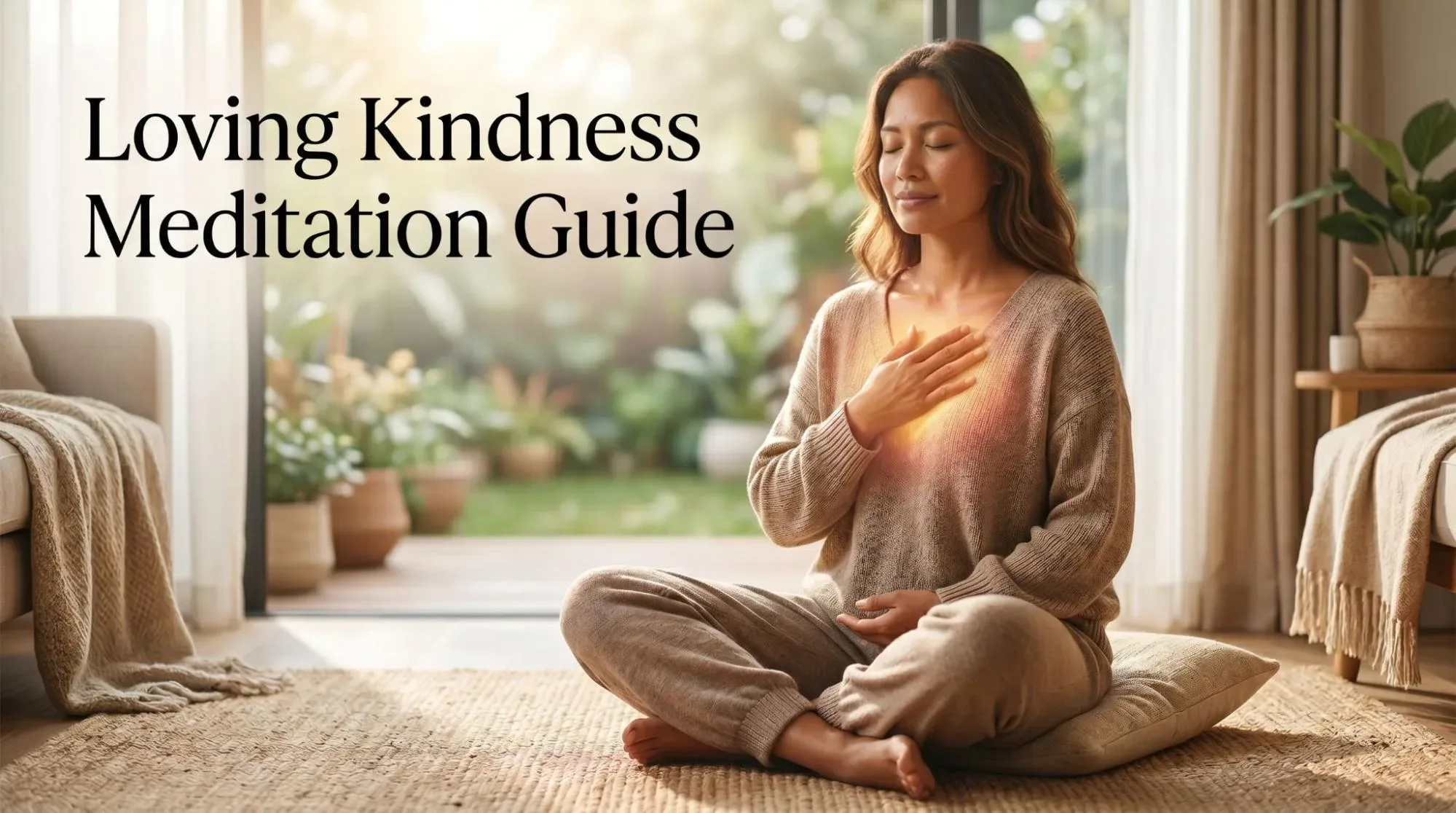
What Is Loving Kindness Meditation?
Loving kindness meditation, also known as Metta meditation, is a mindfulness practice where you send kind wishes toward yourself and others. “Metta” is often translated as goodwill, friendliness, or loving kindness.
In practice, you repeat simple phrases such as:
- May I be safe.
- May I be healthy.
- May I be happy.
- May I live with ease.
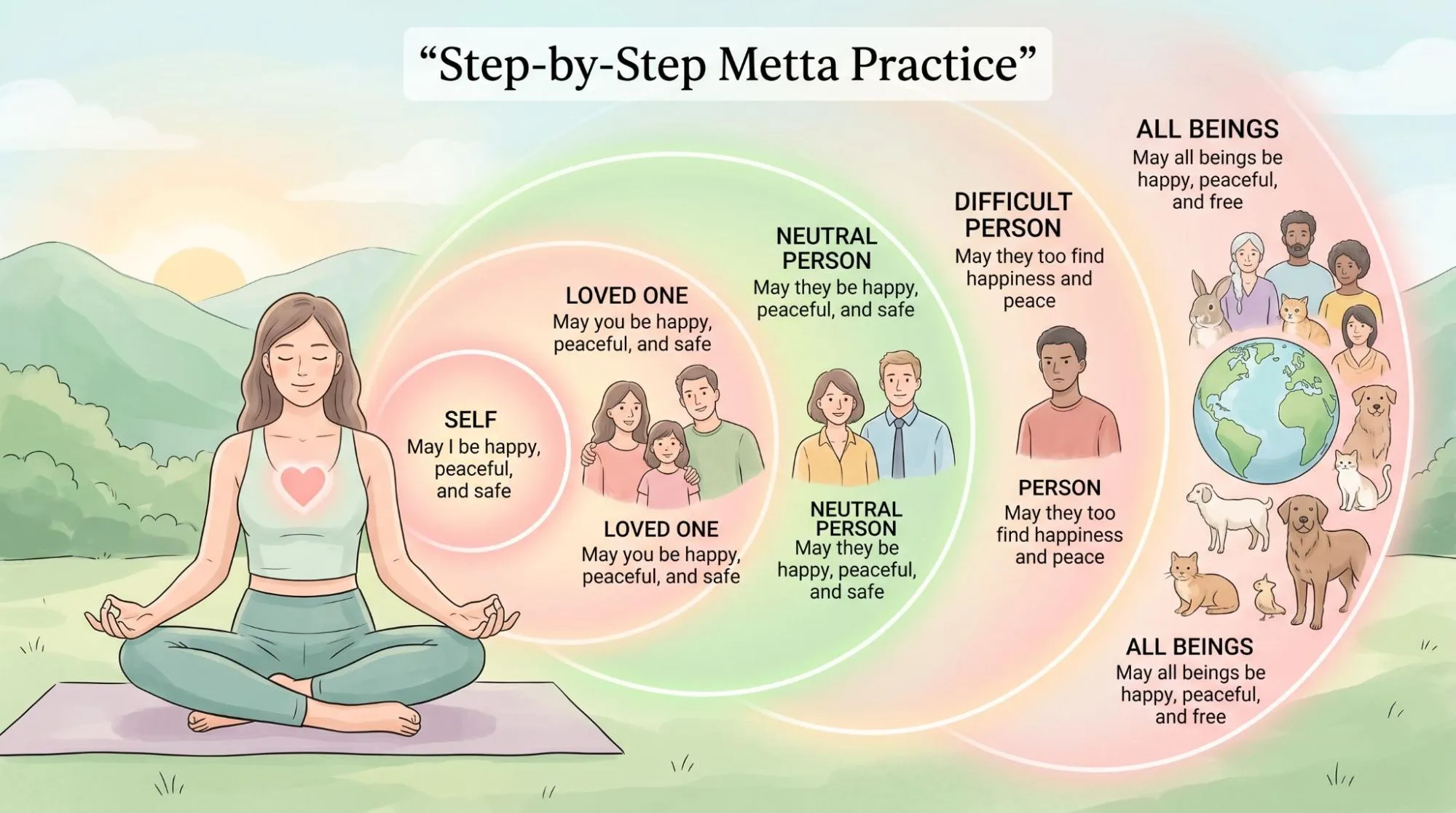
After offering these wishes to yourself, you slowly extend them to a loved one, a neutral person, someone difficult, and finally all beings.
This loving kindness meditation guide does not require any specific religion or belief system. Many people use loving kindness meditation as a wellness practice, spiritual practice, or daily emotional reset.
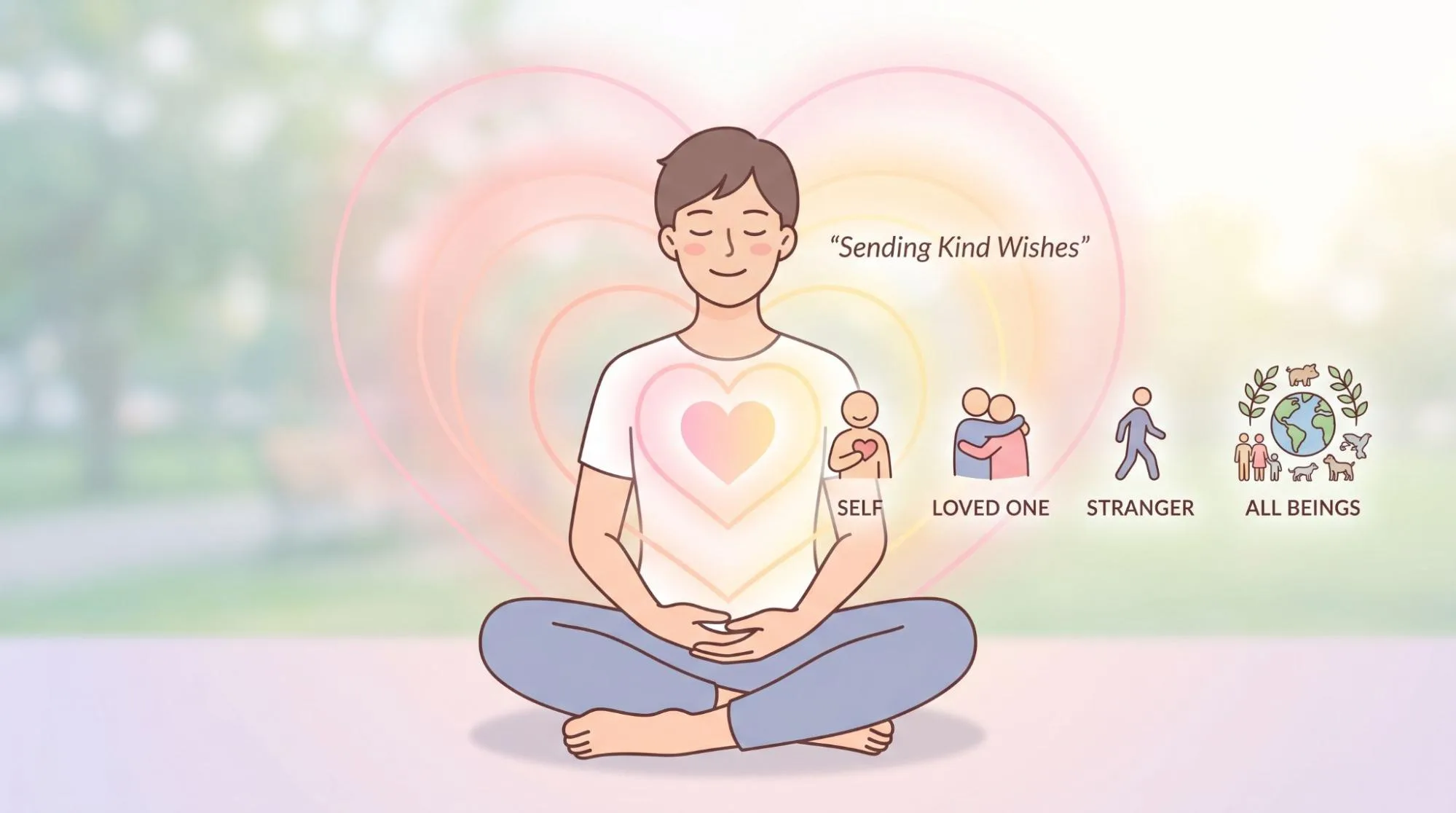
Why Loving Kindness Meditation Matters
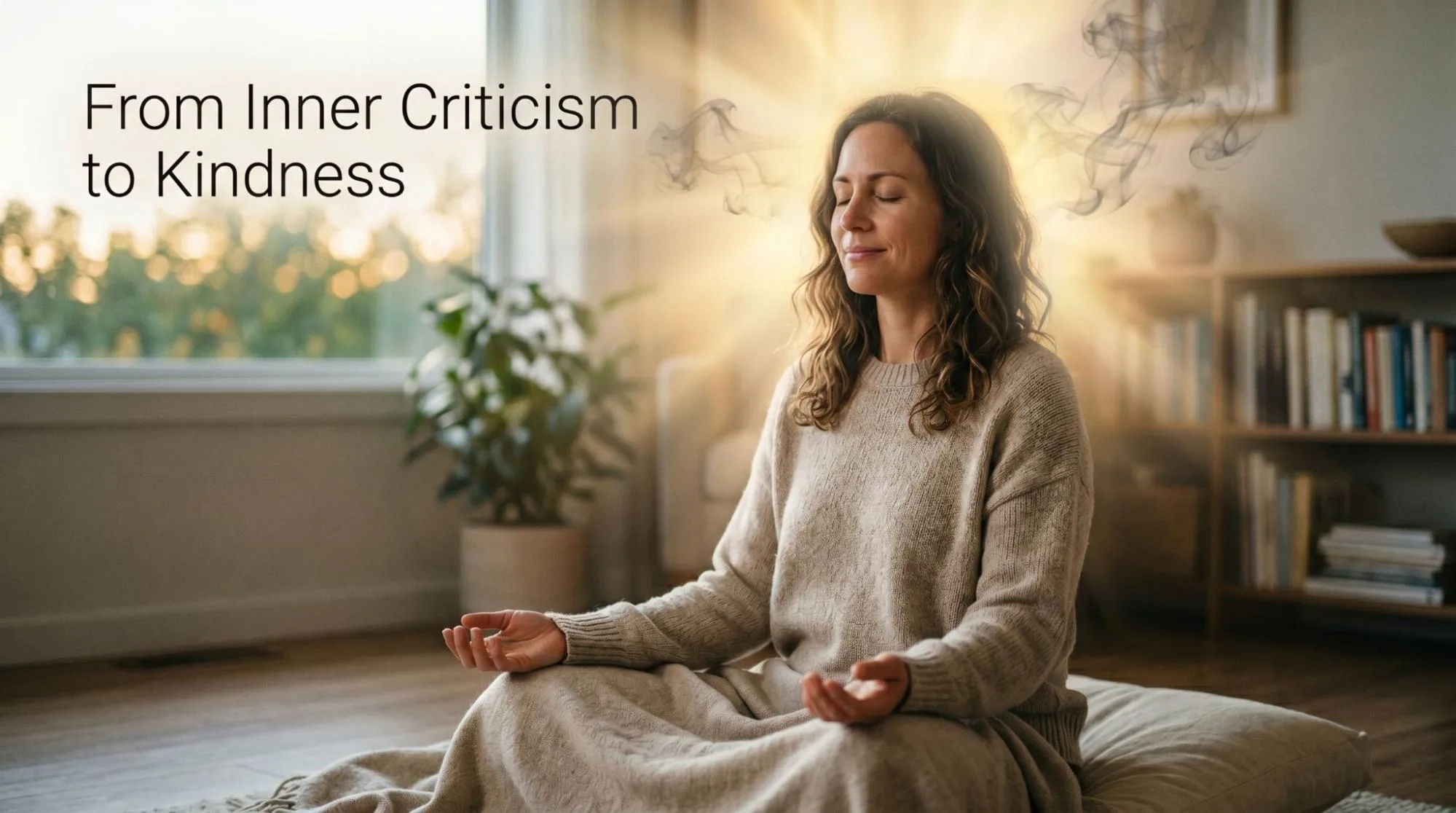
Many people live with a harsh inner voice. They criticize themselves, replay mistakes, and carry emotional pressure without realizing it.
Loving kindness meditation gives the mind a different direction. Instead of feeding judgment, you practice kindness. Instead of forcing peace, you create space for it.
A good loving kindness meditation guide should keep the practice simple. At its heart, loving kindness meditation is about training your attention to move toward care, patience, and goodwill.
Learn More : Box Breathing Benefits for Mind and Body
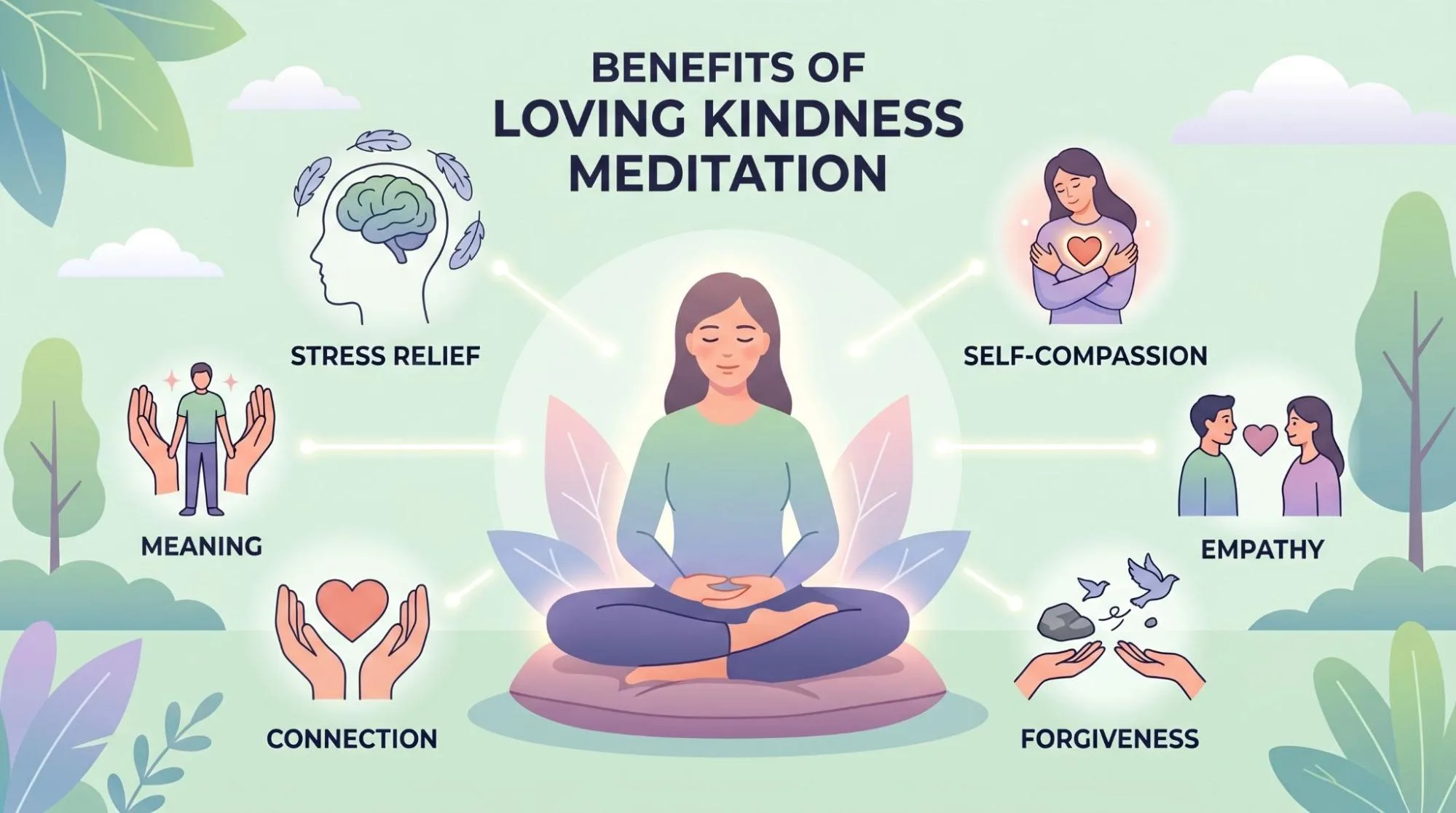
Benefits of Loving Kindness Meditation
Loving kindness meditation can support emotional balance, self-compassion, and healthier relationships. The benefits usually grow with regular practice.
Reduces Stress and Emotional Tension
When you practice loving kindness, your body may begin to relax. Your breathing slows. Your shoulders soften. The mind may still wander, but the emotional pressure often feels lighter.
Sending loving kindness does not remove life’s problems, but it can help you respond to them with more calm.
Increases Self-Compassion
Many people find it easier to be kind to others than to themselves. Loving kindness meditation gently changes that pattern.
By repeating kind phrases toward yourself, you begin to build a more supportive inner voice. This can be helpful if you often feel guilty, not good enough, or emotionally drained.
Builds Empathy for Others
When you offer kind wishes to another person, you begin to see them as human. They also want peace. They also struggle. They also carry pain you may never see.
This can make your relationships feel less reactive and more understanding.
Supports Forgiveness and Emotional Healing
Loving kindness meditation is not about excusing harmful behaviour. It is not about pretending everything is fine.
It simply gives your heart room to soften. When you are ready, sending love or goodwill toward someone difficult may help reduce the emotional weight you carry.
Creates a Sense of Connection
This practice can help you feel less alone. As you extend kindness outward, you may feel connected to loved ones, strangers, and even people you will never meet.
That quiet feeling of connection is one reason many people return to loving kindness meditation again and again.
How to Prepare for Loving Kindness Meditation
Before starting this loving kindness meditation guide, keep the preparation easy. You do not need a perfect room, special music, or long free time. A few quiet minutes are enough.
Find a Quiet Space
Choose a place where you are less likely to be disturbed. It could be your bedroom, office corner, prayer space, or even a parked car during a break.
Sit or Lie Down Comfortably
Sit on a chair, cushion, or bed. Keep your posture relaxed but awake. If your body needs rest, lying down is fine too.
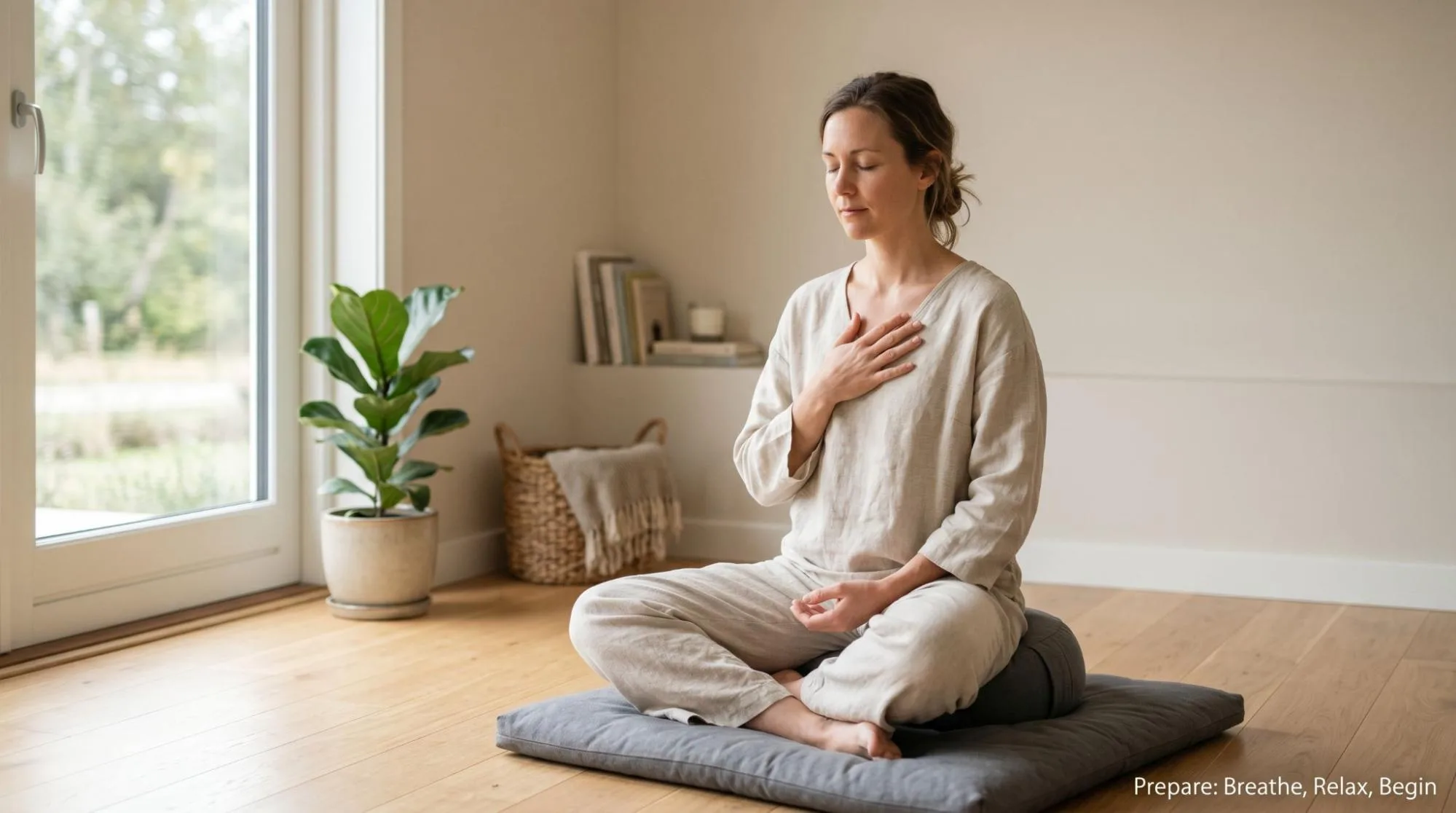
Take a Few Deep Breaths
Take three slow breaths. Let the breath come in naturally and leave gently.
You are simply telling your body, “We are pausing now.”
Bring Attention to the Heart Area
Place a hand on your chest if that feels comforting. Notice the heart area, the breath, or the warmth of your hand.
Some people feel feelings of warmth right away. Others feel nothing. Both are normal.
Step-by-Step Loving Kindness Meditation Practice
This loving kindness meditation guide follows a clear step by step method. Spend one or two minutes on each stage, or longer if it feels right.
Offering Kindness to Yourself
Start with yourself. Silently repeat:
May I be safe.
May I be healthy.
May I be peaceful.
May I live with ease.
The words may feel awkward at first. That is okay. You are not forcing emotion. You are planting a kind intention.
Directing Love to a Loved One
Now bring to mind someone you care about. It may be a friend, family member, teacher, child, or pet.
Repeat:
May you be safe.
May you be healthy.
May you be peaceful.
May you live with ease.
Sending love to someone close often feels easier because care is already present.
Expanding Kindness to a Neutral Person
Think of someone you see but do not know well. Maybe a cashier, neighbor, driver, or delivery person.
Offer the same phrases:
May you be safe.
May you be healthy.
May you be peaceful.
May you live with ease.
This stage helps widen your circle of kindness beyond people you already love.
Extending Kindness to Someone Difficult
Now think of someone mildly difficult. Do not begin with the most painful person in your life. Choose someone who causes irritation, not deep harm.
Repeat gently:
May you be safe.
May you be healthy.
May you find peace.
May you live with ease.
If this feels too hard, return to yourself. This loving kindness meditation guide should feel supportive, not forced.
Embracing All Beings
Finally, imagine your kindness moving outward to your home, city, country, and all living beings.
You may say:
May all beings be safe.
May all beings be healthy.
May all beings be peaceful.
May all beings live with ease.
Sit quietly for a few breaths before opening your eyes.
Common Challenges During Loving Kindness Meditation
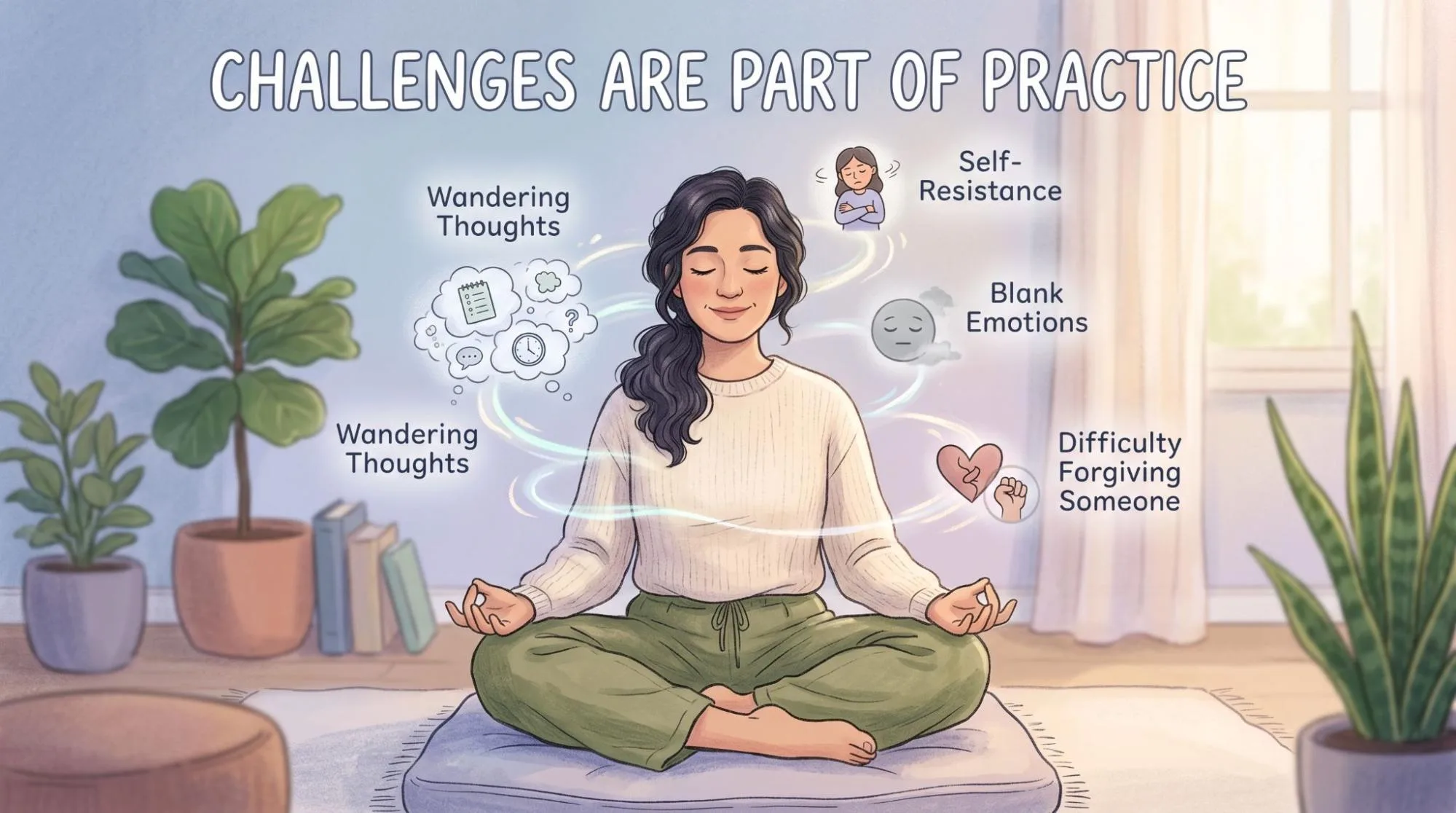
Loving kindness meditation can feel peaceful, but it can also bring up resistance, sadness, or numbness. That does not mean you are doing it wrong.
Feeling Distracted
Distraction is normal. When the mind wanders, gently return to the phrase. You may return many times in one session. That is part of the practice.
Not Feeling Any Emotion
Some people expect strong feelings of warmth, but loving kindness is not measured by emotion. Even if you feel neutral, your intention still matters.
Think of it like watering a seed. Growth may not show immediately.
Feeling Resistance Toward Yourself
Self-kindness can feel uncomfortable if you are used to self-criticism. Try softer phrases:
- May I learn to be kind to myself.
- May I be patient with this practice.
- May I be gentle with my heart.
These words often feel more honest for beginners.
Struggling With a Difficult Person
You do not need to send kindness to someone who caused deep harm, especially if it feels unsafe. Start with easier people.
A mature loving kindness meditation guide should always respect emotional boundaries.
Tips for a Deeper Loving Kindness Practice
You can practice loving kindness in a very simple way. Still, a few small habits can make it feel more natural.
Practice Regularly
Five minutes a day is better than one long session once a month. Regular practice helps the mind become familiar with kind attention.
Use Phrases That Feel Natural
You do not have to use traditional phrases exactly. Choose words that feel sincere.
For example:
- May I feel calm today.
- May I be kind to myself.
- May you feel supported.
- May we all find peace.
The best loving kindness meditation guide is one you can actually use in real life.
Do Not Force the Feeling
Trying too hard can create pressure. Let the words do the work. Some days you may feel warmth. Other days you may feel flat. Keep it gentle.
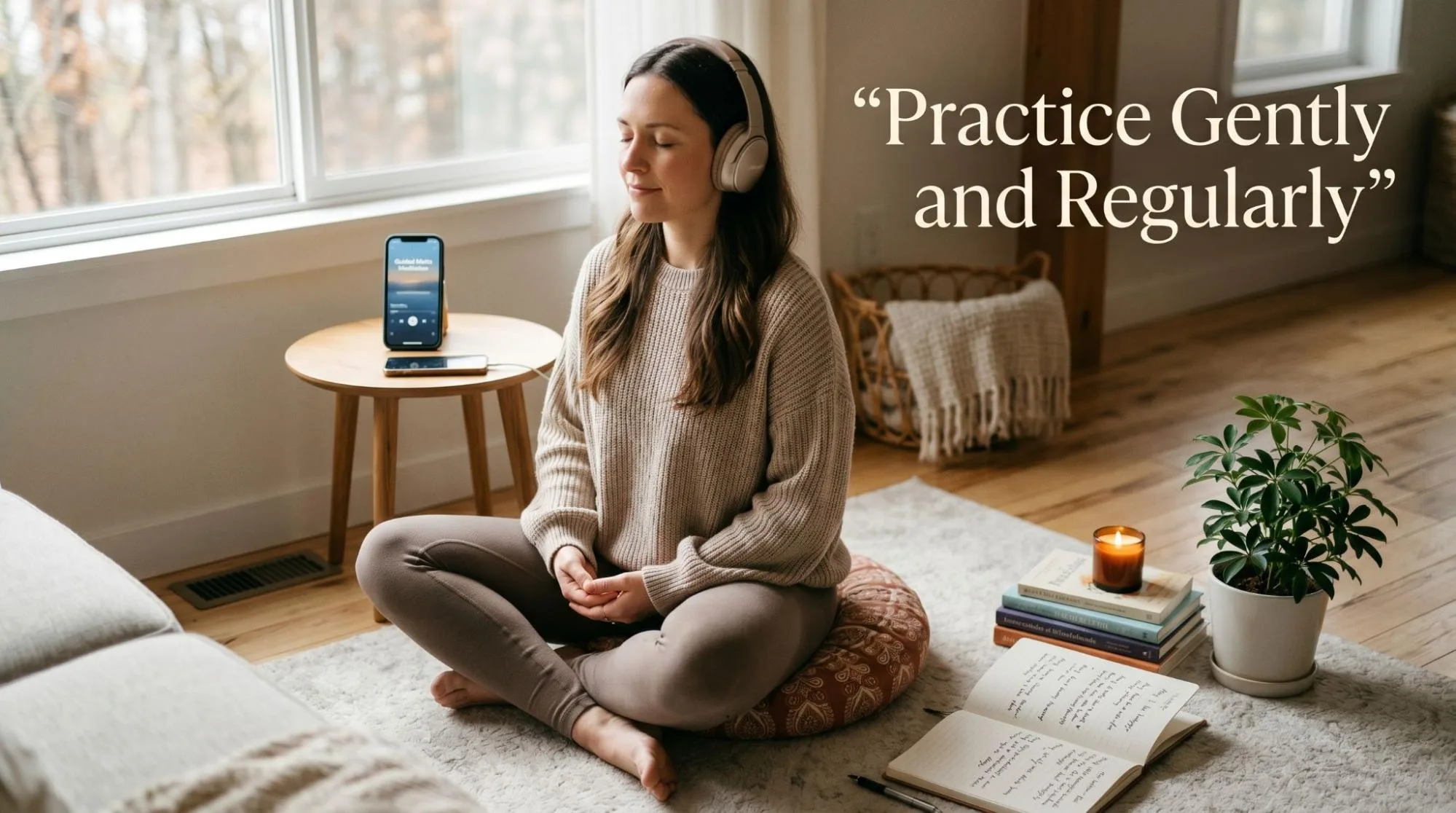
Use Guided Loving Kindness Meditation
If your mind wanders often, a guided loving kindness meditation can help. Listening to a calm voice gives you structure and makes the practice easier to follow.
This is useful for beginners who want to practice loving kindness but do not know how to begin alone.
Learn More : Nadi Shodhana Pranayama Benefits: How It Works and How to Practice It Safely
How Long Should You Practice Loving Kindness Meditation?
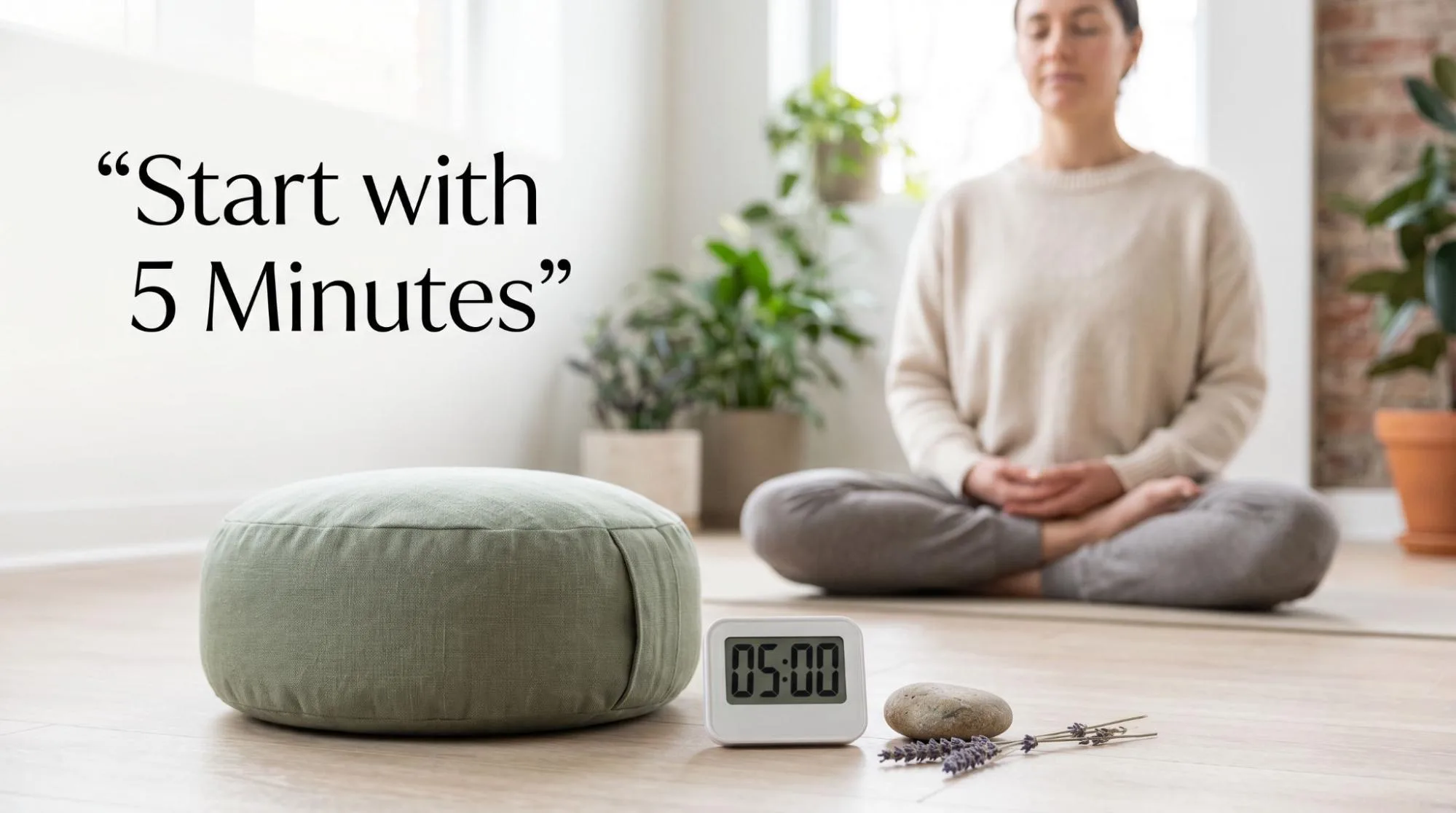
You can begin with 5 minutes. That is enough.
As you feel more comfortable, you may increase to 10, 15, or 20 minutes. The goal is not to practice for a long time. The goal is to practice with honesty and patience.
This loving kindness meditation guide works best when you keep it realistic.
A simple 5-minute routine can look like this:
- 2 minutes for yourself
- 2 minutes for a loved one
- 1 minute for all beings
That gives you a complete practice without making it feel heavy.
Who Can Benefit From Loving Kindness Meditation?
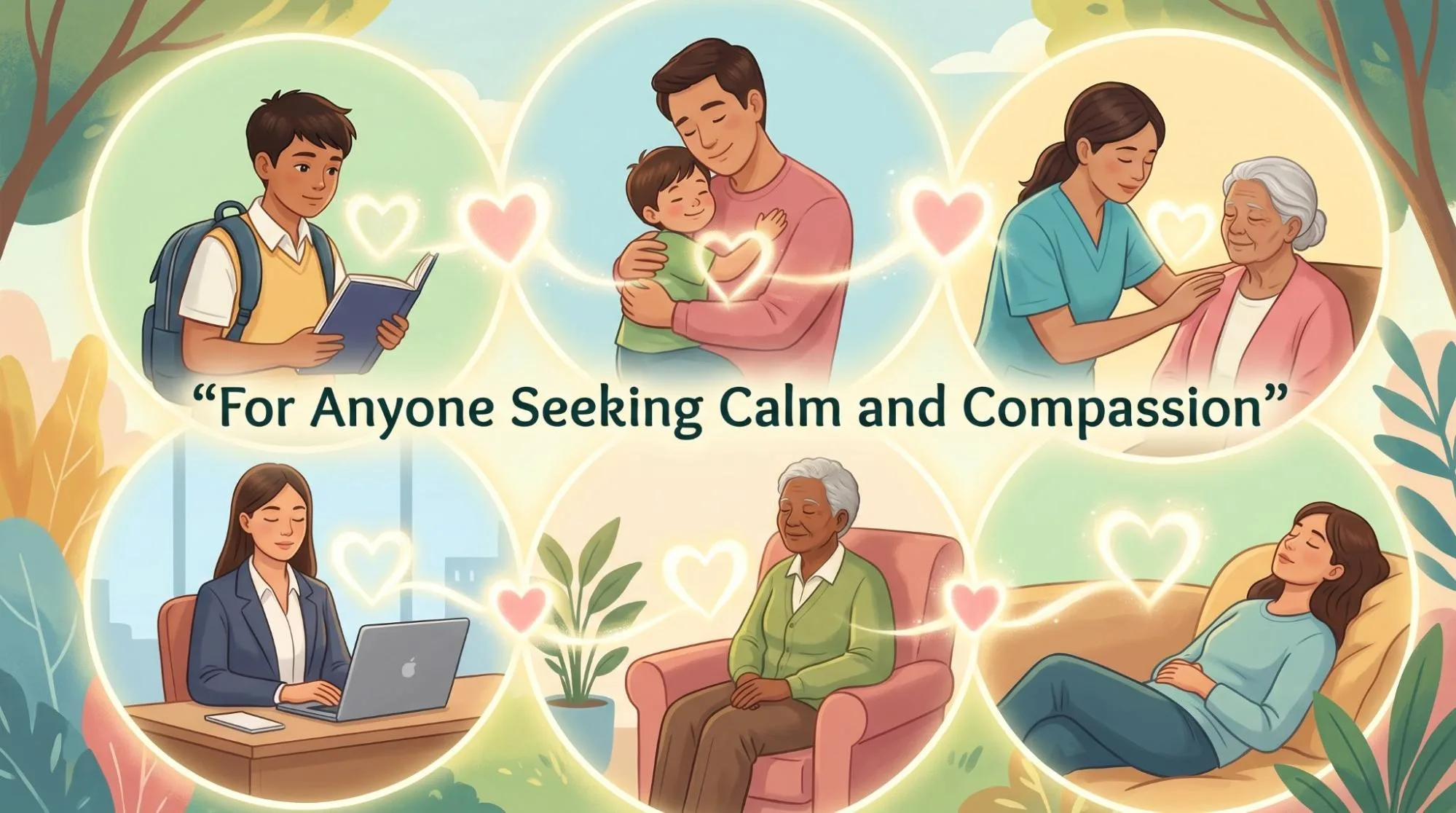
Loving kindness meditation can support many people, especially those who:
- Feel stressed or emotionally tense
- Struggle with self-criticism
- Want to build patience
- Feel disconnected from others
- Are healing from resentment
- Want a gentle mindfulness practice
- Find silent meditation difficult
- Want to develop compassion
It can also help caregivers, teachers, parents, healthcare workers, and anyone who gives emotional energy to others.
Meditation is not a replacement for therapy or medical care. If you are dealing with trauma, severe anxiety, or depression, it is better to practice with professional support.
Simple Loving Kindness Meditation Script
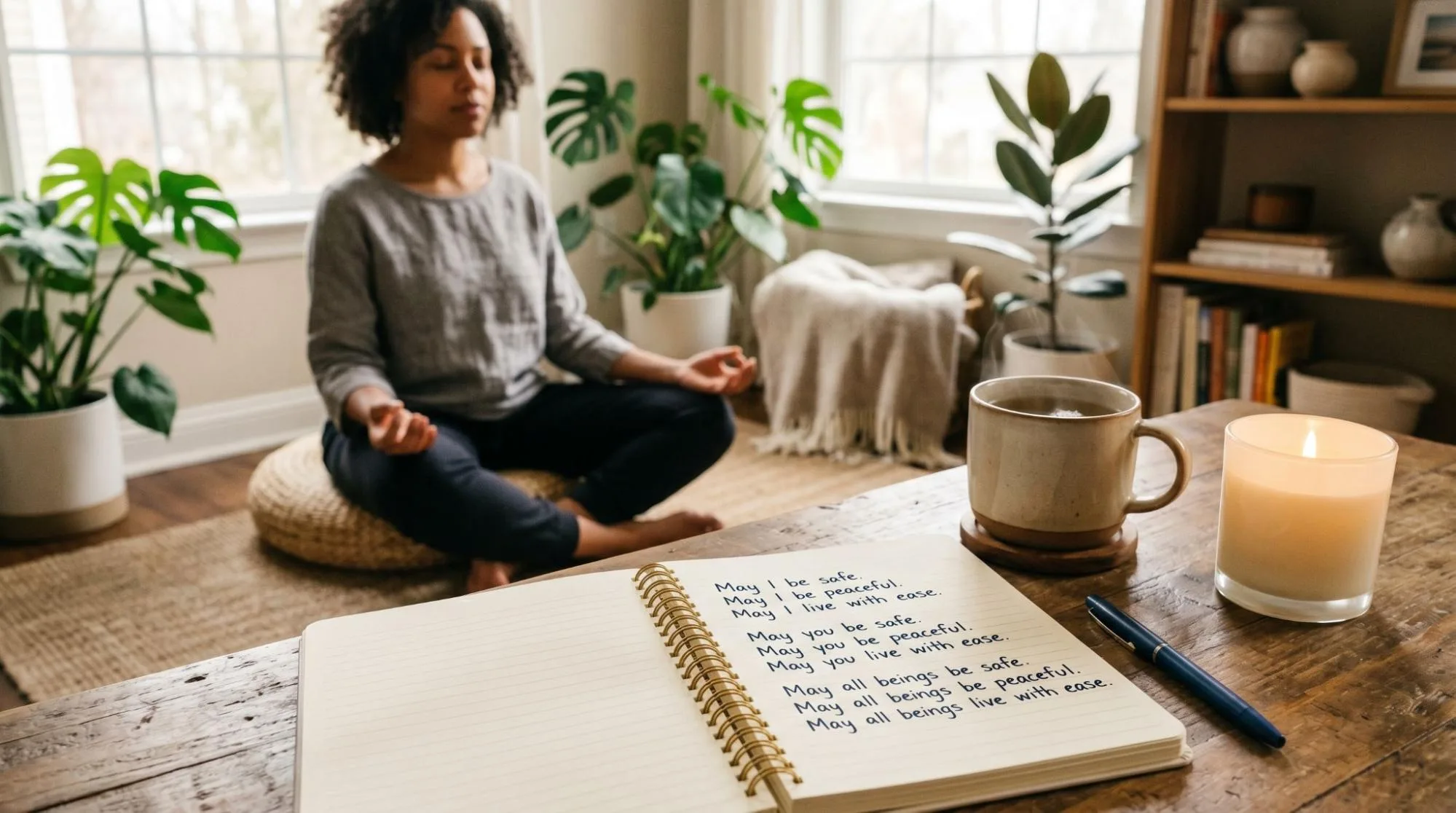
Use this short script whenever you want a calm practice.
Sit comfortably and take a slow breath in.
Let the breath out gently.
Bring attention to your heart area.
Let your body soften.
Begin with yourself:
May I be safe.
May I be healthy.
May I be peaceful.
May I live with ease.
Now bring to mind someone you love:
May you be safe.
May you be healthy.
May you be peaceful.
May you live with ease.
Now think of a neutral person:
May you be safe.
May you be healthy.
May you be peaceful.
May you live with ease.
Now, only if it feels okay, bring to mind someone difficult:
May you be safe.
May you be healthy.
May you find peace.
May you live with ease.
Now widen your attention:
May all beings be safe.
May all beings be healthy.
May all beings be peaceful.
May all beings live with ease.
Take one final breath.
Open your eyes when you are ready.
You can return to this loving kindness meditation guide whenever you need a simple practice for calm and compassion.
FAQs About Loving Kindness Meditation
What is the purpose of loving kindness meditation?
The purpose is to develop kindness, compassion, and goodwill toward yourself and others. It helps soften harsh thoughts and supports emotional balance.
Is loving kindness meditation only for Buddhists?
No. Although Metta comes from Buddhist tradition, people from many backgrounds use loving kindness meditation for mindfulness, emotional wellness, and inner peace.
Can beginners practice loving kindness meditation?
Yes. This is one of the easiest meditation styles for beginners because it uses simple phrases and a clear step by step structure.
What should I say during loving kindness meditation?
You can say phrases like “May I be safe,” “May I be peaceful,” “May you be healthy,” or “May all beings live with ease.”
What if I do not feel love while practicing?
That is normal. You do not need to create a strong feeling. The practice is about gentle intention. Feelings of warmth may come slowly with time.
Can I practice loving kindness for someone I am angry with?
Yes, but start carefully. Choose someone mildly difficult first. Sending loving kindness should not feel emotionally unsafe.
How often should I practice loving kindness meditation?
A few minutes daily is a good start. Even three or four times a week can help you build the habit.
Is sending love the same as forgiveness?
Not exactly. Sending love means choosing goodwill instead of hatred. Forgiveness is personal and may take more time.
Can loving kindness meditation help with anxiety?
It may help calm emotional tension and create a sense of safety. For serious anxiety, use it alongside proper professional support.
What is the best loving kindness meditation guide for beginners?
The best loving kindness meditation guide is simple, gentle, and easy to follow. Start with yourself, move to someone you love, then slowly expand kindness outward.
Learn More : Mantra Meditation: A Complete Guide for Mind, Body, and Spirit
Conclusion
Loving kindness meditation is not about becoming perfect. It is about returning to kindness, one phrase at a time.
Some days the practice will feel peaceful. Some days it may feel dry or difficult. That is normal. What matters is showing up gently.
Use this loving kindness meditation guide as a starting point. Keep the phrases simple. Let the practice feel natural. Over time, even a few quiet minutes of sending loving kindness can change how you speak to yourself, respond to others, and move through the day.

Frequently Asked Questions
Can beginners practise loving-kindness meditation?
Yes. Start with yourself and use a few simple phrases for two to five minutes. There is no need to create a strong emotion.
What if I do not feel loving or calm?
That is normal. The practice is based on a gentle intention, not on forcing a particular feeling. You can use softer phrases such as “May I learn to be kind to myself.”
Should I practise Metta for someone who hurt me?
Only if it feels safe and appropriate. You can choose a neutral person instead; goodwill does not require excusing harmful behaviour or removing boundaries.