
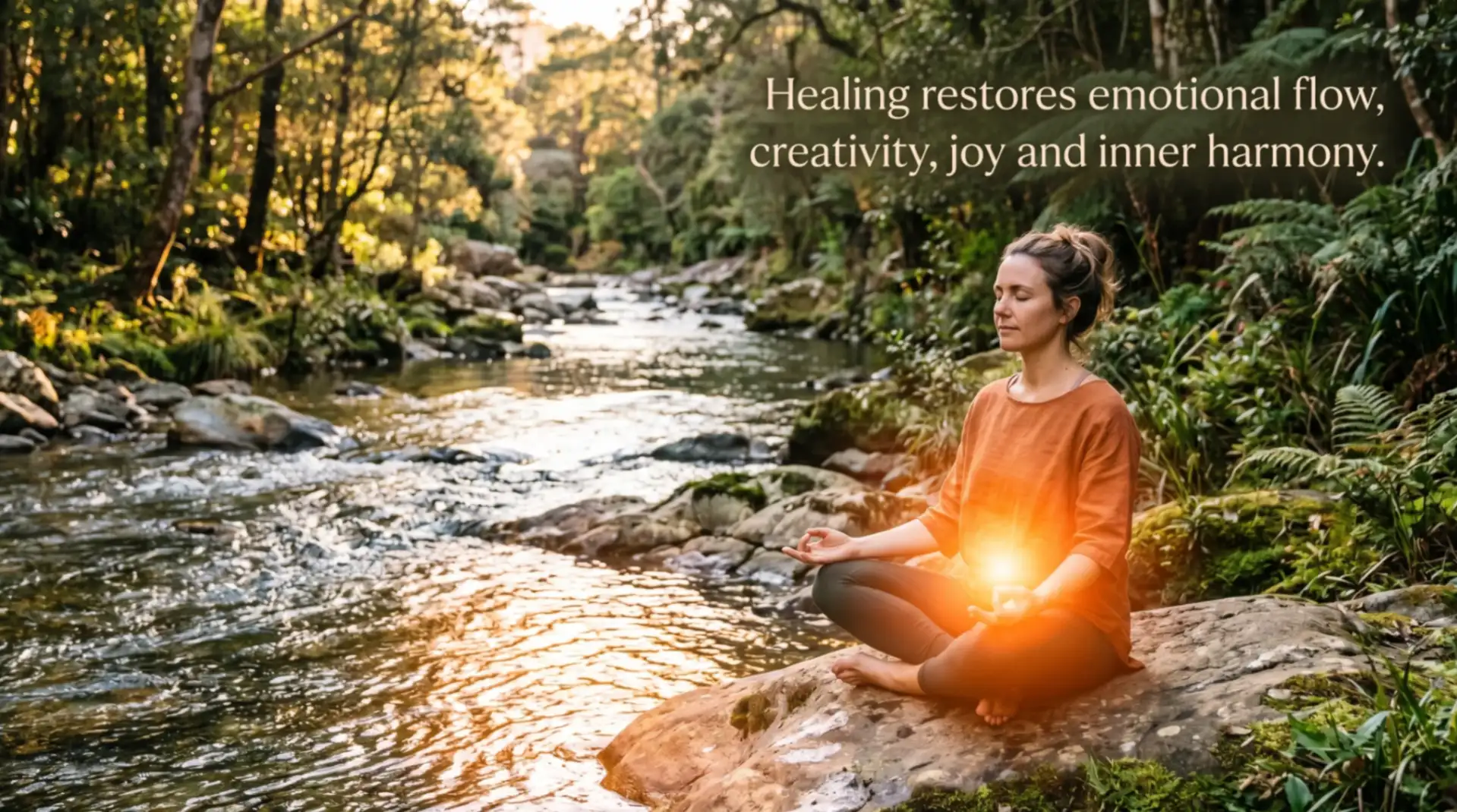
Yoga svadhisthana practices focus on the second chakra in the body, also known as the sacral chakra. This energy centre is connected with emotions, creativity, pleasure, movement, and relationships. When this chakra feels balanced, you may feel emotionally open, inspired, and more connected to yourself.
In many yoga traditions, the svadhisthana chakra is linked with the water element. Like water, this energy is meant to move freely. Stress, fear, emotional suppression, or physical tension around the hips and lower abdomen can disturb that natural flow.
Yoga Svadhisthana combines movement, breath, meditation, and awareness to help release tension in the physical body. The goal is not perfection. It is learning how to reconnect with your emotions, your body, and your creative energy in a steady and gentle way.
Yoga Svadhisthana Meaning and Sacral Chakra Basics
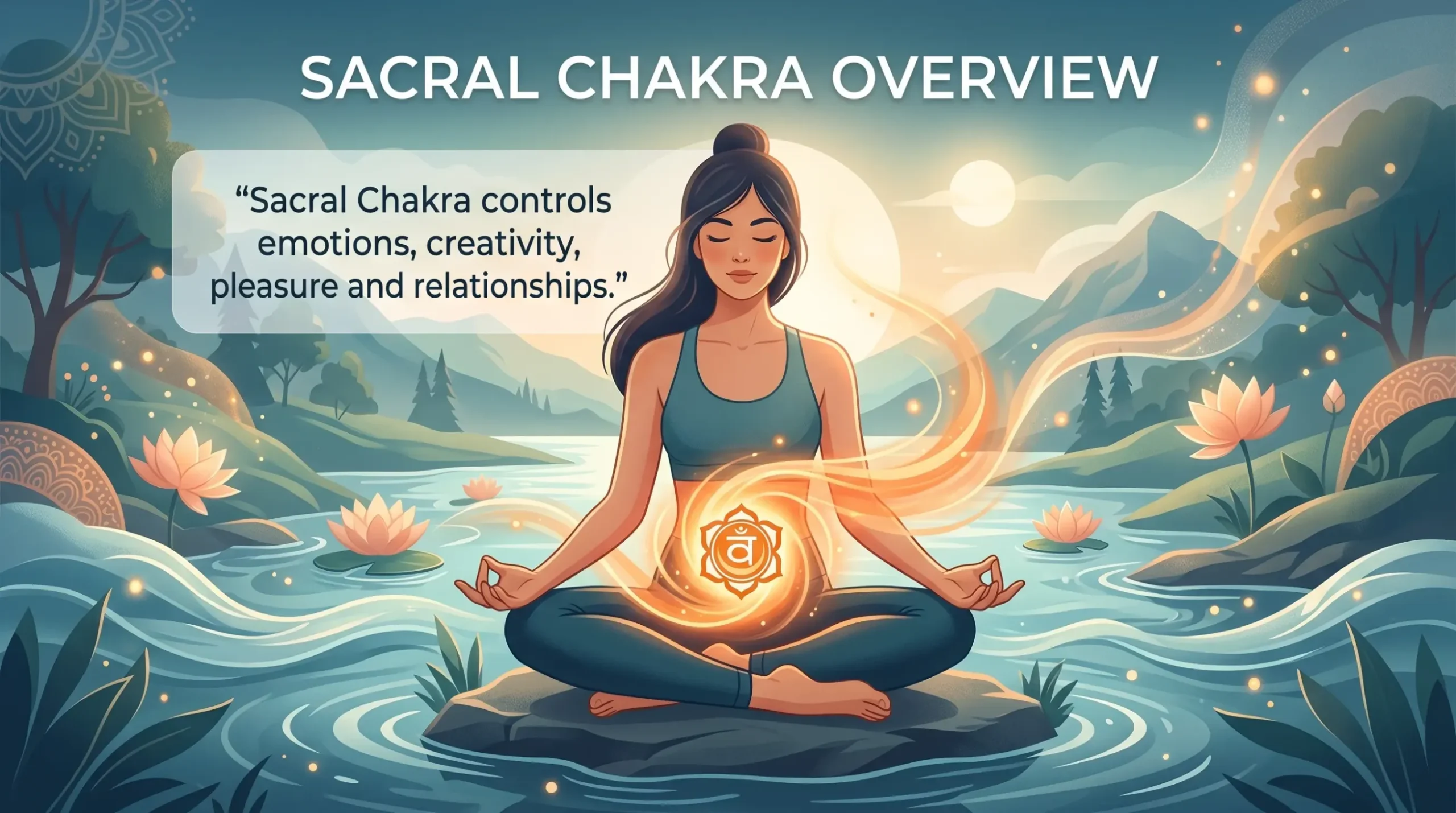
The word “svadhisthana” comes from Sanskrit and is often translated as “one’s own dwelling place”. In yoga philosophy, it represents the emotional and creative centre of the body. This chakra influences how you express feelings, enjoy life, connect with others, and respond to change.
The sacral chakra is one of the main energy centres in the body. It is closely connected with pleasure, intimacy, creativity, sensuality, and emotional freedom. When this energy feels balanced, you may feel more flexible, expressive, and comfortable in your inner world.
What is the sacral chakra?
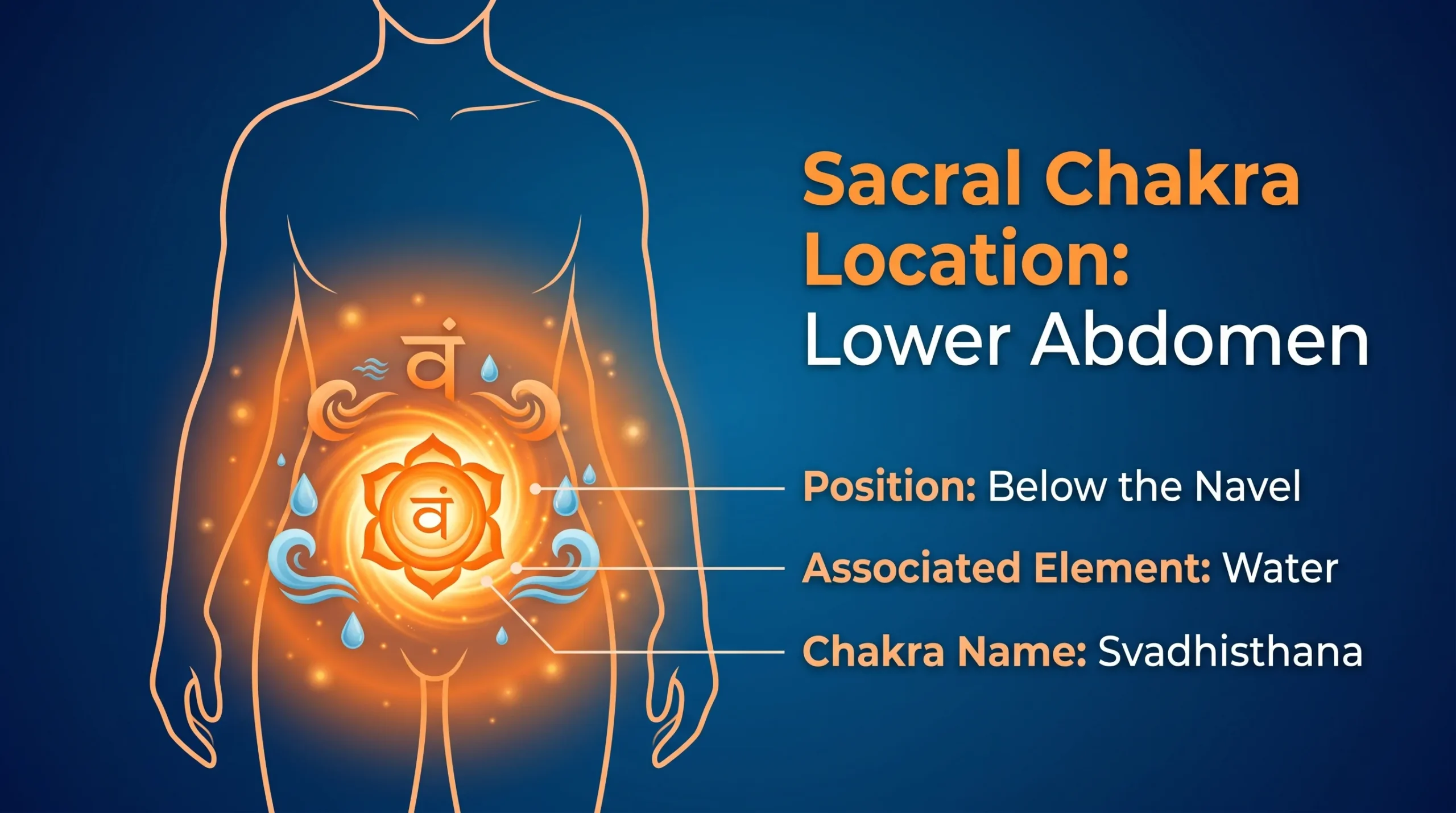
The sacral chakra is the second of the seven main energy centres. It is located below the navel and is linked with emotional expression, creativity, relationships, and inner joy. A trained yoga teacher may describe it as the area where emotional flow, creative energy, and personal connection begin to develop.
This chakra is commonly linked with:
- Creative energy
- Emotional flow
- Pleasure and passion
- Self-expression
- Flexibility in life
- Connection with others
- Joy and emotional openness
The traditional bija mantra, or seed sound, for this chakra is “Vam”. Many meditation and breathwork practices use this sound gently to support focus, emotional awareness, and chakra connection.
Location and Symbolism
The sacral chakra is located a few inches below the navel, around the lower abdomen and pelvic region. In yoga philosophy, this area represents movement, emotional depth, and the ability to flow with life instead of resisting it.
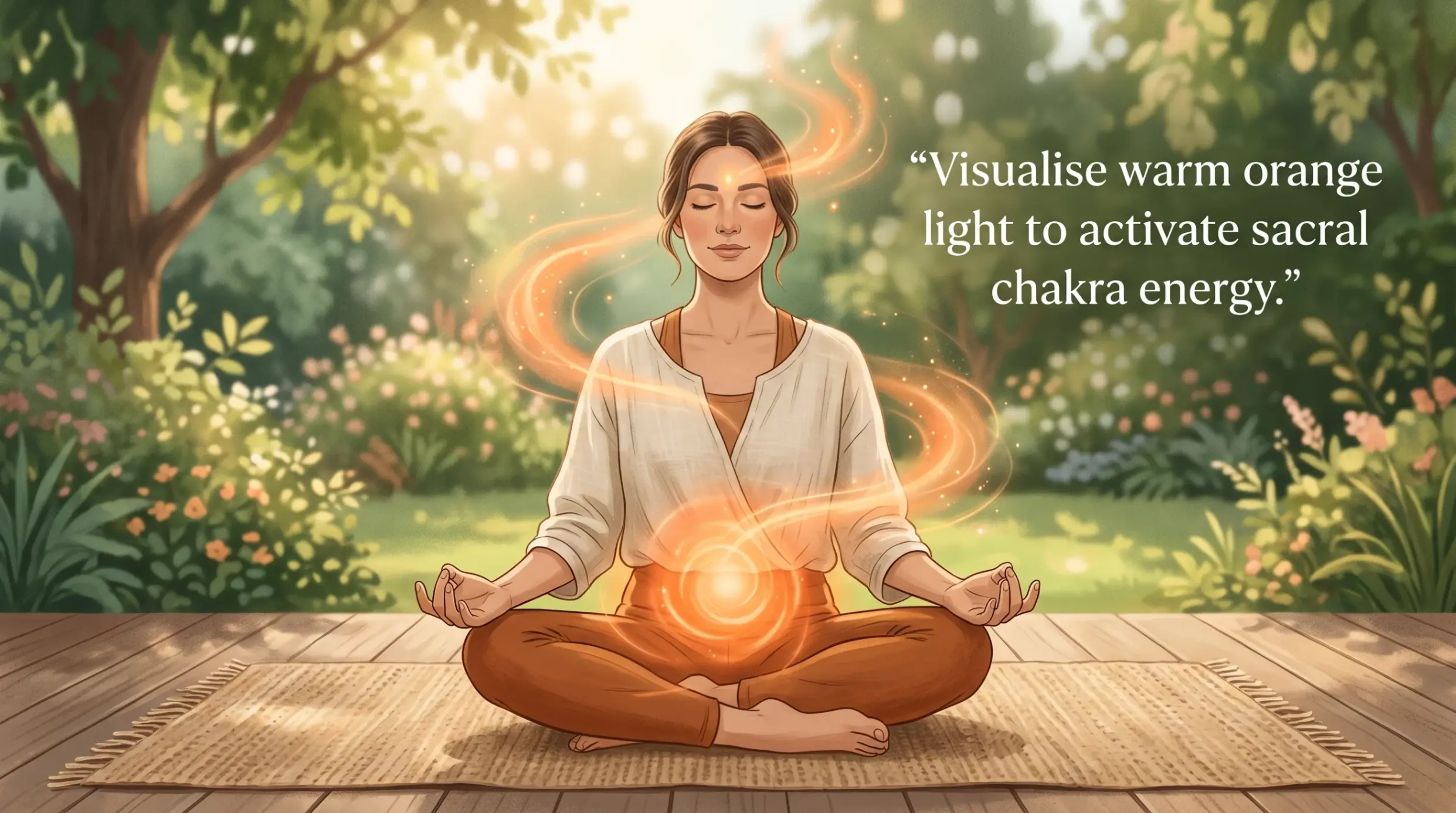
The symbolic colour of the sacral chakra is orange. Many practitioners visualise a warm orange light in the lower abdomen during meditation to support emotional balance, creativity, and inner softness.
The sacral chakra is commonly represented by the following:
- The water element
- A six-petaled lotus
- Flowing movement
- Emotional openness
- Creative expression
- Warm orange energy
Yoga Svadhisthana Benefits for Emotional Balance
Yoga svadhisthana practices may support emotional balance by helping the body relax and release stored tension. Instead of forcing emotional healing, yoga creates space for awareness, breath, movement, and stillness.
This practice can be helpful when emotions feel blocked, heavy, or difficult to understand. Gentle movement and mindful breathing help you reconnect with the physical body in a safe and natural way.
When the Sacral Chakra is Balanced
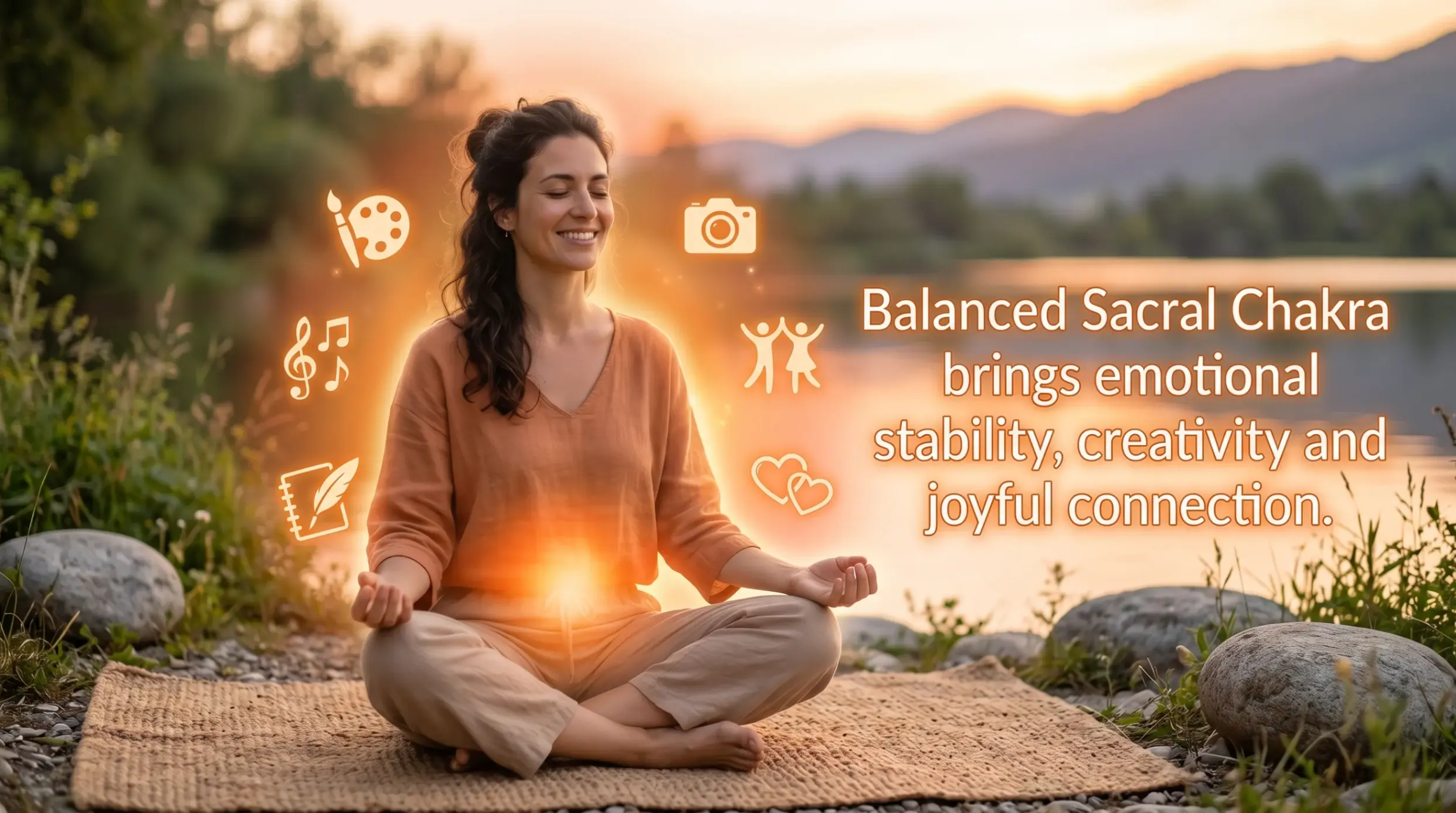
A balanced Svadhisthana chakra may help you feel emotionally steady, creative, and open to joy. You may also feel more comfortable expressing yourself, building healthy relationships, and enjoying simple pleasures without guilt or fear.
Common signs of a balanced sacral chakra include:
- Emotional stability
- Healthy creativity
- Better self-confidence
- Comfort with change
- Openness to joy and connection
- Freedom to express emotions
- Stronger interest in hobbies and art
- A deeper connection with movement and pleasure
Many people also notice improved motivation when this chakra feels balanced. Creative activities such as music, painting, writing, cooking, or dancing may feel more natural and enjoyable.
When the Sacral Chakra is Imbalanced
An imbalanced sacral chakra can affect emotional and physical wellbeing. Sometimes it appears as emotional heaviness, while other times it may feel like numbness, low motivation, or lack of inspiration.
This imbalance may develop from:
- Chronic stress
- Emotional suppression
- Relationship struggles
- Shame or guilt
- Fear of vulnerability
- Lack of self-care
- Constant emotional pressure
Yoga svadhisthana practices are often used to slowly restore balance through mindful movement, breathwork, meditation, and self-awareness. If you are new to this style of practice, a yoga teacher can help you learn safe alignment and simple modifications.
Signs of an Imbalanced Svadhisthana Chakra
An imbalanced sacral chakra can show up emotionally, creatively, physically, and in relationships. The signs are not always dramatic. Sometimes they appear as a quiet feeling of being stuck, disconnected, or unable to enjoy life fully.
Because this chakra is connected with emotions and creativity, imbalance may affect how you express yourself, relate to others, and feel inside your own body.
Emotional and Mental Signs
Emotional symptoms may include the following:
- Mood swings
- Feeling emotionally blocked
- Anxiety around relationships
- Excessive guilt
- Fear of rejection
- Difficulty trusting others
- Feeling disconnected from joy
- Trouble expressing emotions clearly
Some people feel emotionally closed off for long periods without knowing why. Others may feel overwhelmed by emotions and struggle to process them calmly.
Creative and Behavioral Signs
Because the svadhisthana chakra is linked with creativity, imbalance can affect passion, motivation, and inspiration. You may want to create or express yourself, but something inside feels blocked or heavy.
You may notice:
- Creative burnout
- Lack of passion
- Feeling emotionally stuck
- Difficulty enjoying hobbies
- Overdependence on external validation
- Avoiding emotions through distraction
- Feeling uninspired by things you once loved
At times, emotional avoidance may appear through unhealthy habits, constant scrolling, overworking, or staying busy to avoid uncomfortable feelings.
Physical and Relationship-Based Signs
Physical tension often gathers around the hips, pelvis, lower back, and lower abdomen. This is one reason hip-opening yoga poses are often connected with sacral chakra healing.
Common signs include:
- Tight hips
- Lower abdominal discomfort
- Fatigue
- Low energy
- Poor posture
- Lower back stiffness
- Difficulty with intimacy
- Trouble with emotional closeness
These signs do not always mean something is spiritually wrong. They may simply show that your physical body and emotions need more care, softness, and attention.

Learn More: Crown Chakra: Meaning, Spiritual Awakening, Balance, and Activation
Best Yoga Svadhisthana Poses to Heal the Sacral Chakra
Yoga supports the body and mind together. Gentle movement, breath, and stillness can help the nervous system relax so emotions can rise, soften, and release naturally.
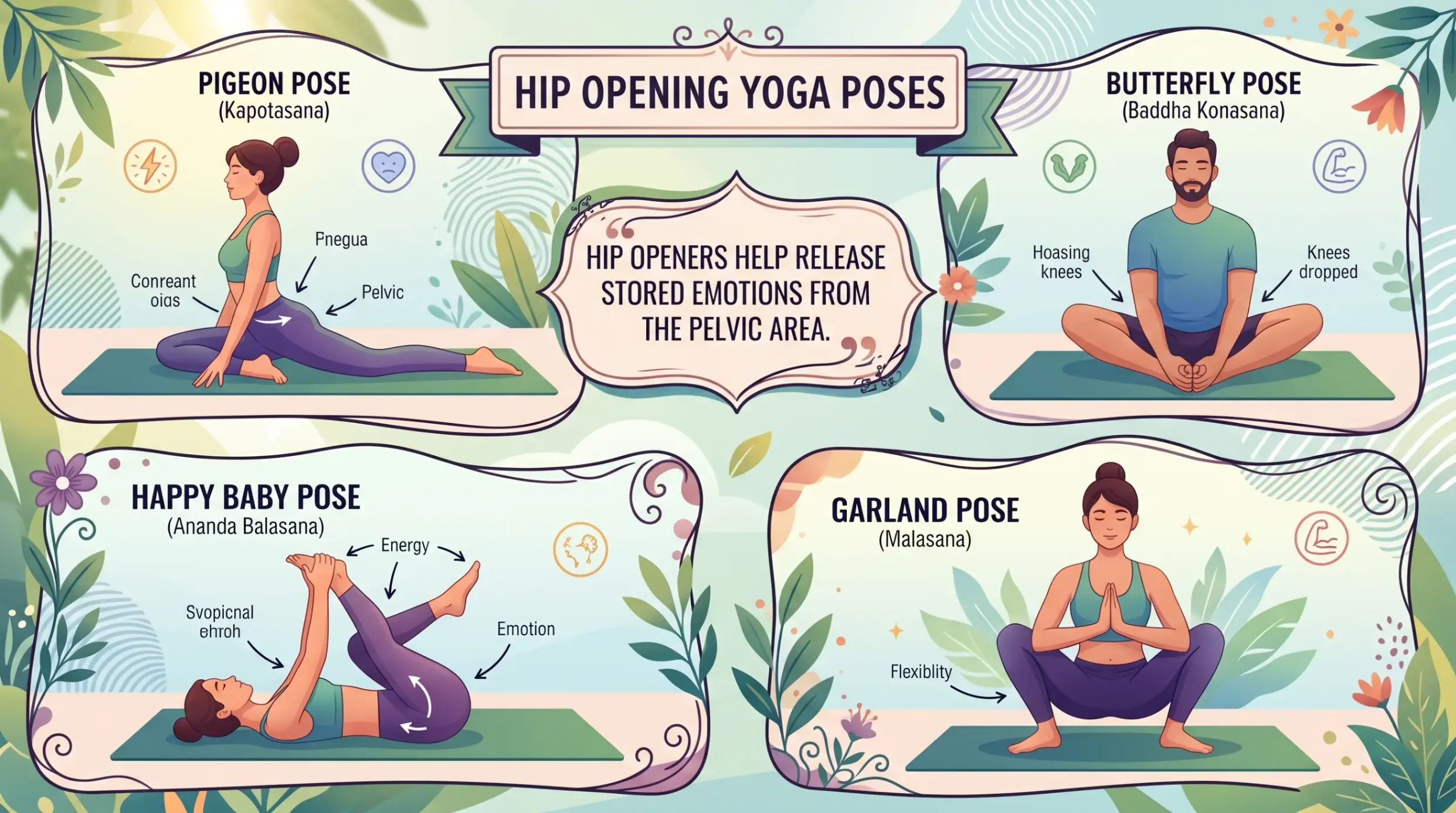
The best yoga svadhisthana poses often focus on the hips, pelvis, lower abdomen, and spine. These areas are closely connected with the sacral chakra and emotional flow.
Pigeon Pose
Pigeon Pose gives a deep stretch to the hips and glutes. It is often used in yoga Svadhisthana sequences because it supports emotional release, grounding, and lower-body awareness.
Move slowly into the pose and avoid forcing your hips downward. Feel free to use a cushion, folded blanket, or yoga block for support so your body can relax safely.
Butterfly Pose
Butterfly Pose gently opens the inner thighs, hips, and pelvic area. It is a beginner-friendly pose that works beautifully with slow breathing and soft awareness.
This pose can feel calming after stressful days. Let your knees soften naturally instead of pushing them toward the floor.
Lizard Pose
Lizard Pose creates a strong stretch through the hip flexors, groin, and inner thighs. It can feel intense, so move into it with patience and control.
Using yoga blocks under the hands can make this pose more comfortable. Feel free to lower the back knee or reduce the depth of the stretch if your body feels tense.
Happy Baby Pose
Happy Baby Pose softens the lower back, hips, and inner thighs while creating a playful sense of ease. This posture naturally supports relaxation and emotional softness.
It also reminds you that healing does not always need to feel serious. Sometimes comfort, playfulness, and ease are part of the release process.
Garland Pose
Garland Pose strengthens the lower body while opening the hips, pelvis, and lower back. It also encourages grounding and deeper breathing into the lower abdomen.
If your heels lift from the floor, place a folded blanket underneath them for support. This helps the pose feel stable and safe.
Yoga Svadhisthana Twists for Energy Flow
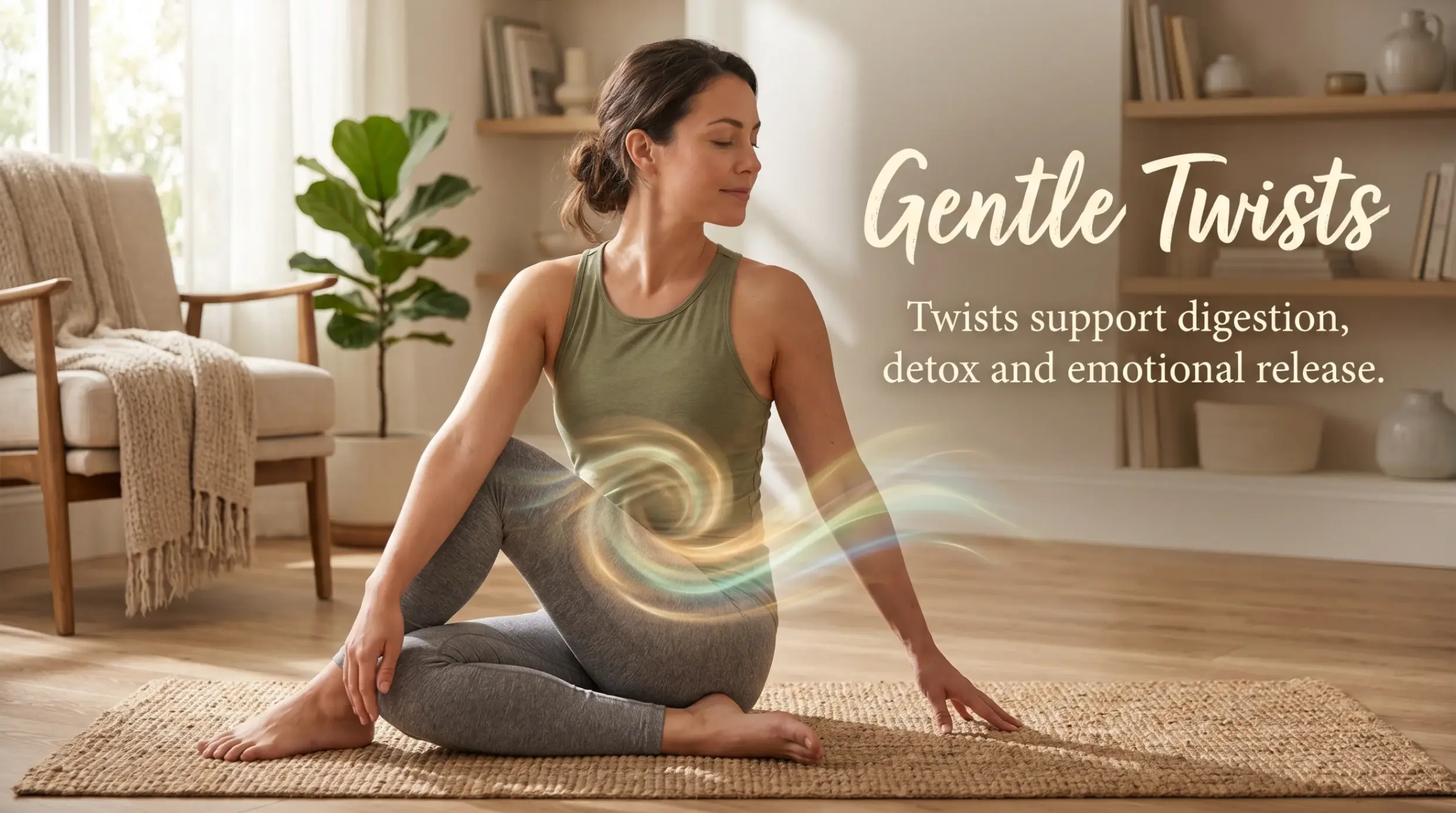
Twisting poses are often used to support circulation, spinal movement, and awareness around the abdomen. In yoga philosophy, twists may also help move energy through the body and release stiffness around the spine, waist, and belly.
These poses work best with slow, controlled breathing. Instead of forcing the twist, allow the body to rotate gradually with each exhale.
Seated Twist
The Seated Twist stretches the spine and gently activates the abdominal area. It can help you feel more centred while improving awareness of the body’s middle line.
Keep your spine tall as you breathe in. As you breathe out, rotate gently without pulling or forcing the body deeper.
Revolved-Chair Pose
The revolved chair pose combines strength, balance, and twisting movement. It activates the legs and core while encouraging focus, stability, and steady breathing.
This pose can feel powerful because it asks the body to stay grounded while turning. Move slowly and keep the knees aligned for better control.
Suggested Affirmations
Use these affirmations during twists or after your yoga Svadhisthana practice:
- I allow emotions to flow naturally.
- I feel free to express myself.
- Creativity moves through me with ease.
- I trust my emotions.
- I welcome joy and connection.
- I release what feels heavy.
Pranayama for Emotional Balance
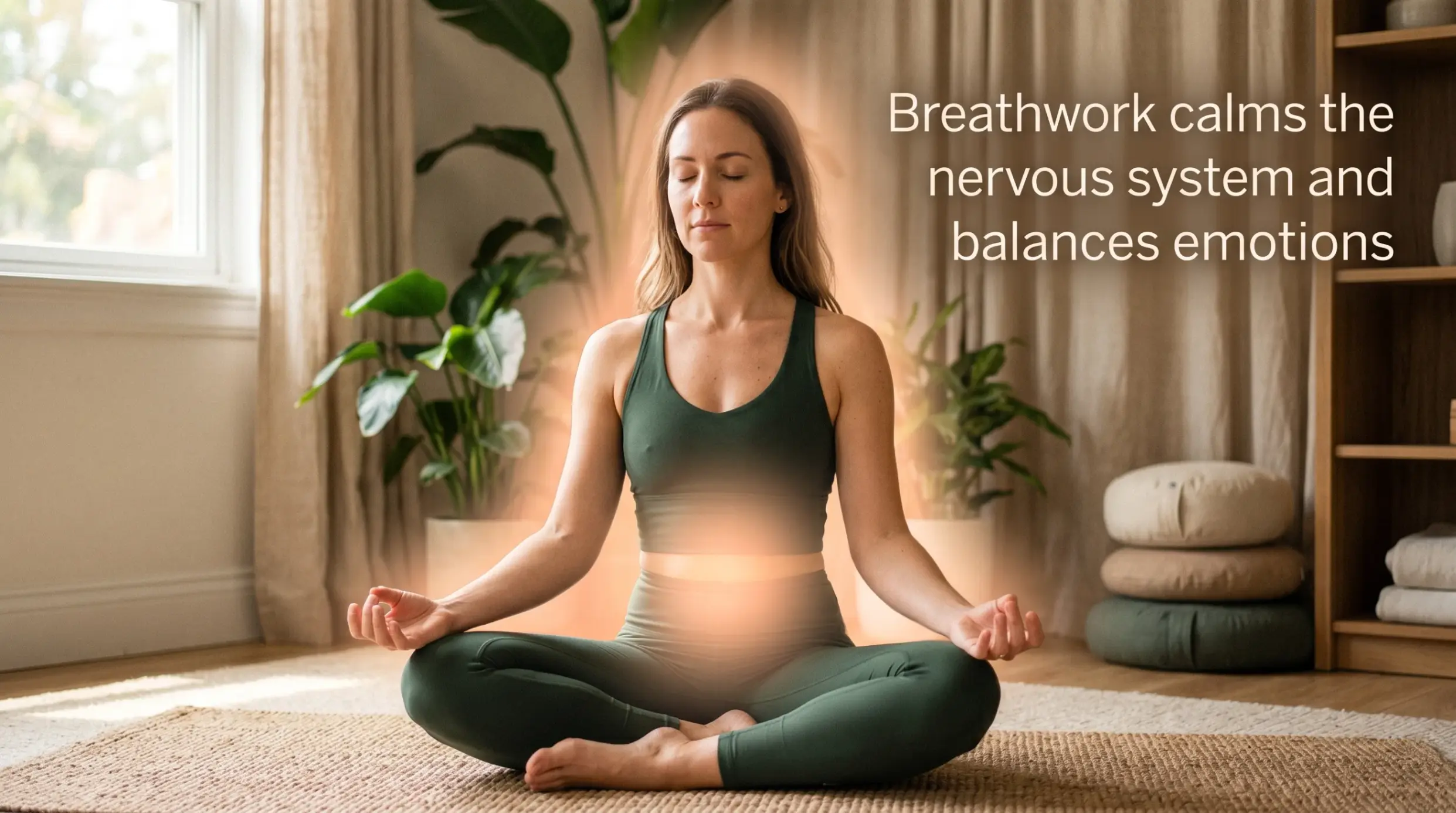
Pranayama, or breathwork, has long been used in yoga to calm the mind and regulate emotional energy. Conscious breathing can directly affect the nervous system and help the body move from tension into relaxation.
For Svadhisthana practice, breathwork brings attention to the lower abdomen, emotional centre, and natural rhythm of the body. Even a few minutes of daily breath awareness can create noticeable calmness.
Kapalbhati Pranayama
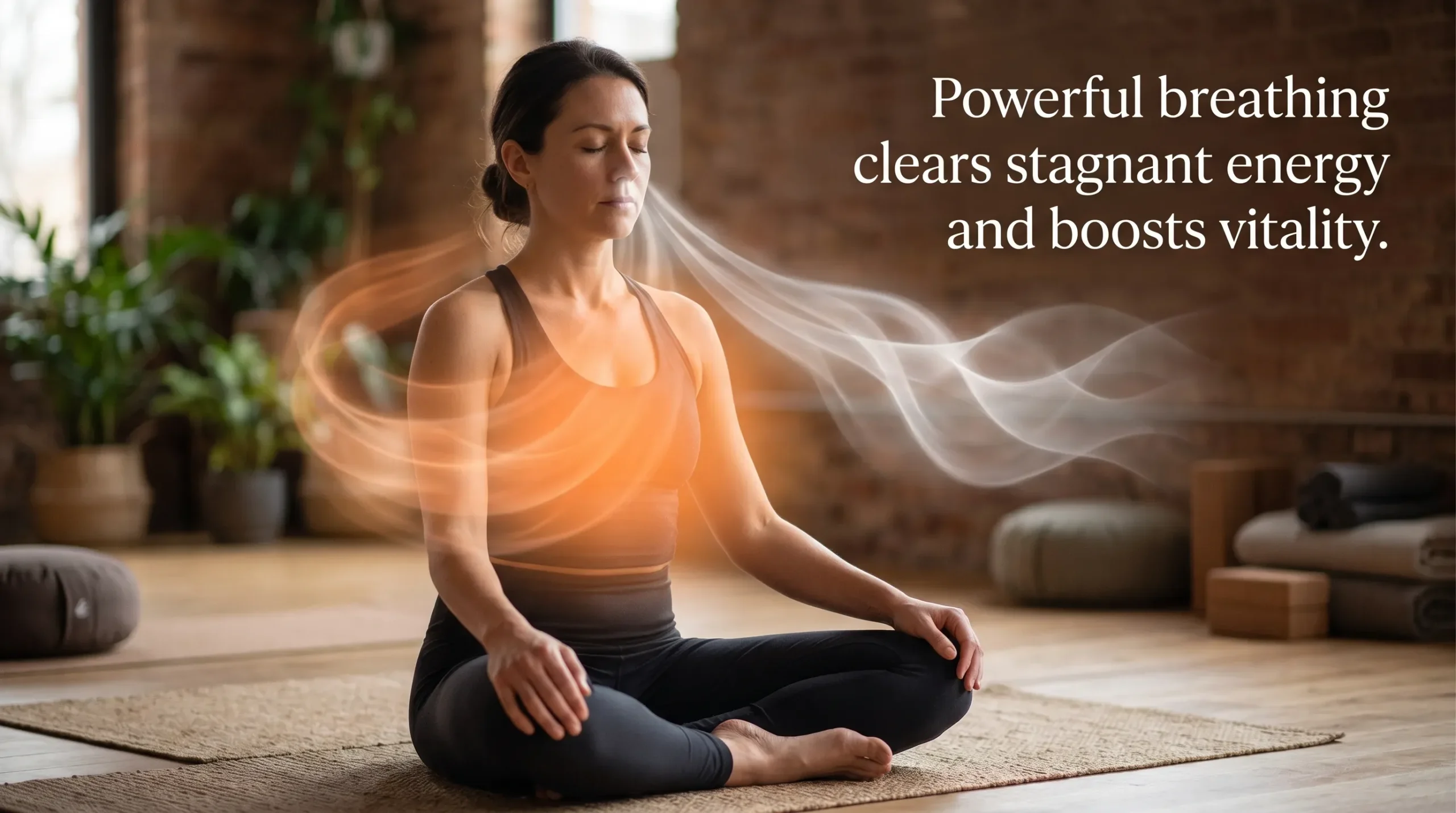
Kapalbhati Pranayama involves active exhalations and passive inhalations. Traditionally, it is practised to energise the body, clear mental fog, and awaken inner awareness.
This practice should be done carefully. People with high blood pressure, pregnancy, heart concerns, or certain medical conditions should avoid intense practice and seek guidance from a qualified yoga teacher.
Bhastrika Pranayama
Bhastrika Pranayama uses deeper and stronger breaths to stimulate energy and awareness. When practised gently, it can feel warming, refreshing, and mentally clearing.
Do not rush this technique. Breathwork should feel steady, safe, and controlled rather than forced or uncomfortable.
Yoga Svadhisthana Breathwork for Emotional Healing
Chakra-Focused Meditation
A simple meditation practice can support emotional grounding. Sit comfortably and bring awareness to the lower abdomen. Imagine a soft orange light glowing in that space. As you inhale, visualise the light expanding gently. As you exhale, allow emotional heaviness to soften. Some people quietly repeat the bija mantra “Vam” during meditation.
Benefits of Pranayama
Regular pranayama may support emotional balance in simple ways:
- Calms emotional overwhelm
- Improves focus and clarity
- Increases body awareness
- Supports energy flow
- Reduces stress-related tension
- Creates inner steadiness
- Helps reconnect with the breath
The key is slow, mindful practice. Intensity is not always better, especially when working with emotional healing.
Yoga Svadhisthana Meditation and Visualization Practice
Meditation helps you slow down and listen to your emotional world without judgement. For the sacral chakra, visualisation, affirmations, and gentle emotional awareness can support a deeper sense of inner connection.
Sit comfortably and bring awareness to your lower abdomen. Imagine a soft orange light glowing in that space, warm and gentle like sunset light. As you inhale, visualise the light expanding slowly. As you exhale, imagine emotional heaviness softening and leaving the body with ease.
Helpful Affirmations
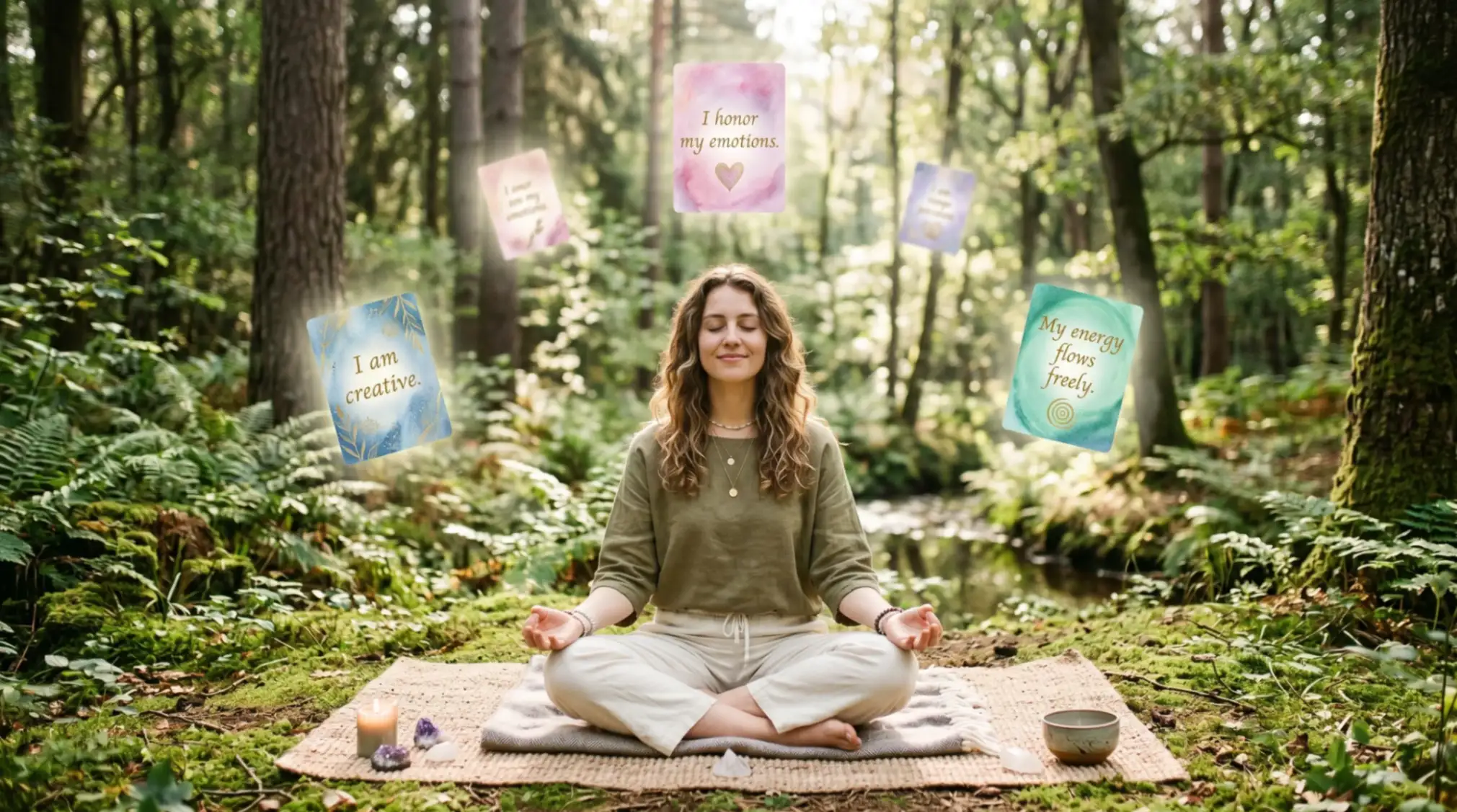
Affirmations work best when they feel calm, honest, and believable. Repeat them slowly while breathing into the lower abdomen.
Helpful affirmations include:
- I welcome emotional balance.
- I honour my feelings.
- Creativity flows naturally through me.
- I deserve joy and connection.
- I allow myself to feel safe.
- I trust the flow of life.
Journaling after meditation can also help you understand your thoughts and emotions more clearly. Some days may feel peaceful, while others may feel emotional or reflective. Both experiences are normal.
Yoga Svadhisthana Restorative Poses for Deep Release
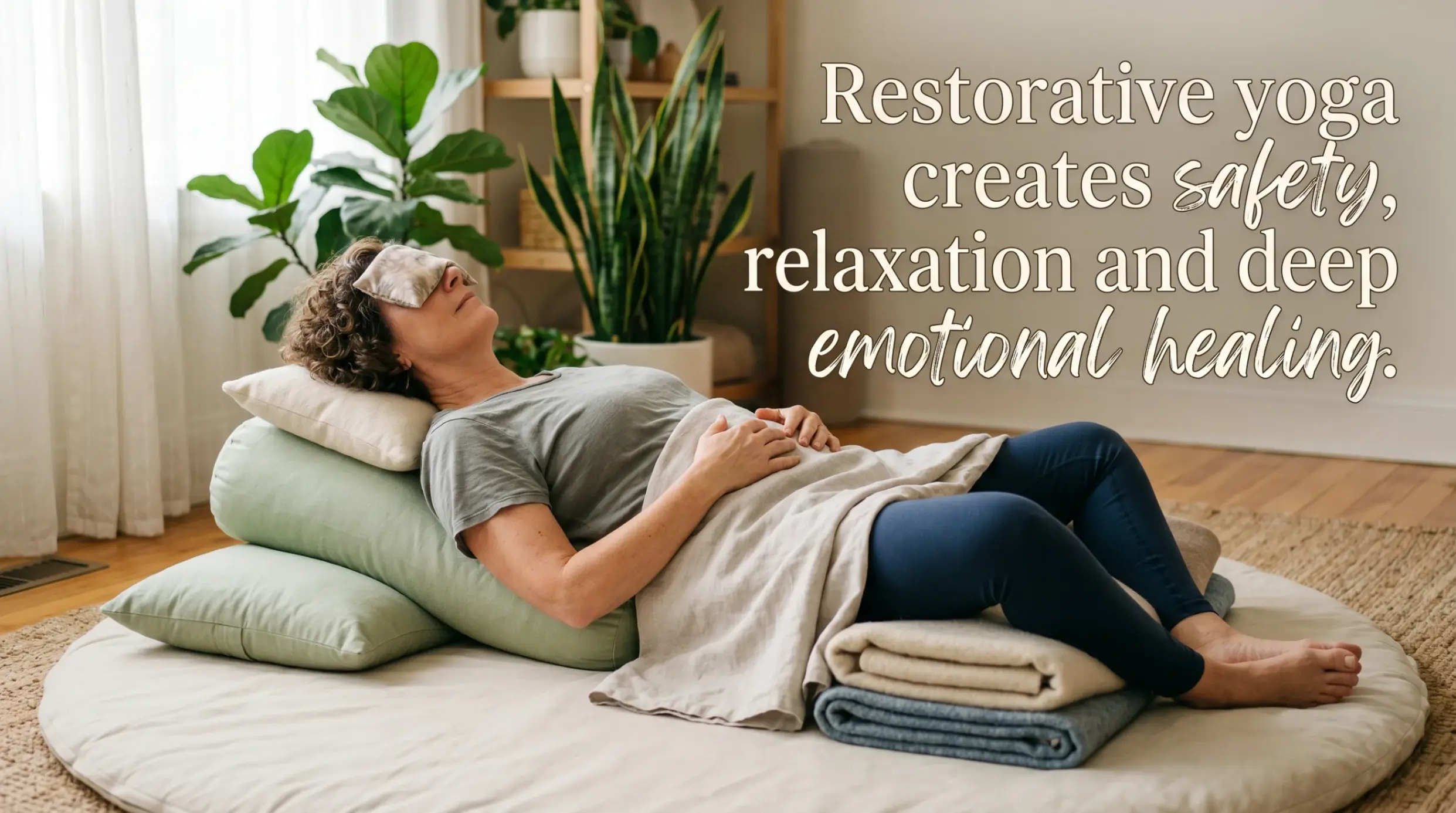
Restorative yoga slows the body and nervous system. It creates a safe space for deep rest, emotional softness, and gentle release.
These poses are helpful after stressful periods, emotional overload, or days when your body feels tired. Instead of stretching strongly, restorative yoga invites the body to soften naturally.
Child’s Pose
Child’s Pose gently stretches the hips, lower back, and spine while creating a feeling of safety and grounding. It is one of the simplest poses for emotional rest and inner calm.
You can place a cushion under your chest or forehead for extra support. Let your breathing become slow and natural as the body settles.
Supta Baddha Konasana
Supta Baddha Konasana is a reclining hip-opening pose that encourages deep relaxation through the pelvis and lower abdomen. It is useful when you want to soften tension without forcing the body.
Place cushions under the knees if the inner thighs feel tight. This support allows the hips to open gently while the nervous system relaxes.
Yoga Svadhisthana Flow and Creative Movement
The sacral chakra responds well to movement that feels natural, soft, and fluid. Slow flows, circular movements, gentle transitions, and creative movement can help awaken emotional expression and inner creativity.
This type of practice does not need to look perfect. The purpose is to feel connected, expressive, and present in your body.
Dancer’s Pose
Dancer’s Pose combines balance, openness, strength, and fluidity. It encourages confidence while stretching the front body, hips, thighs, and shoulders.
This pose can help you connect with grace and creative expression. Move into it slowly and keep your breath steady so the posture feels controlled rather than forced.
Free Movement and Dance
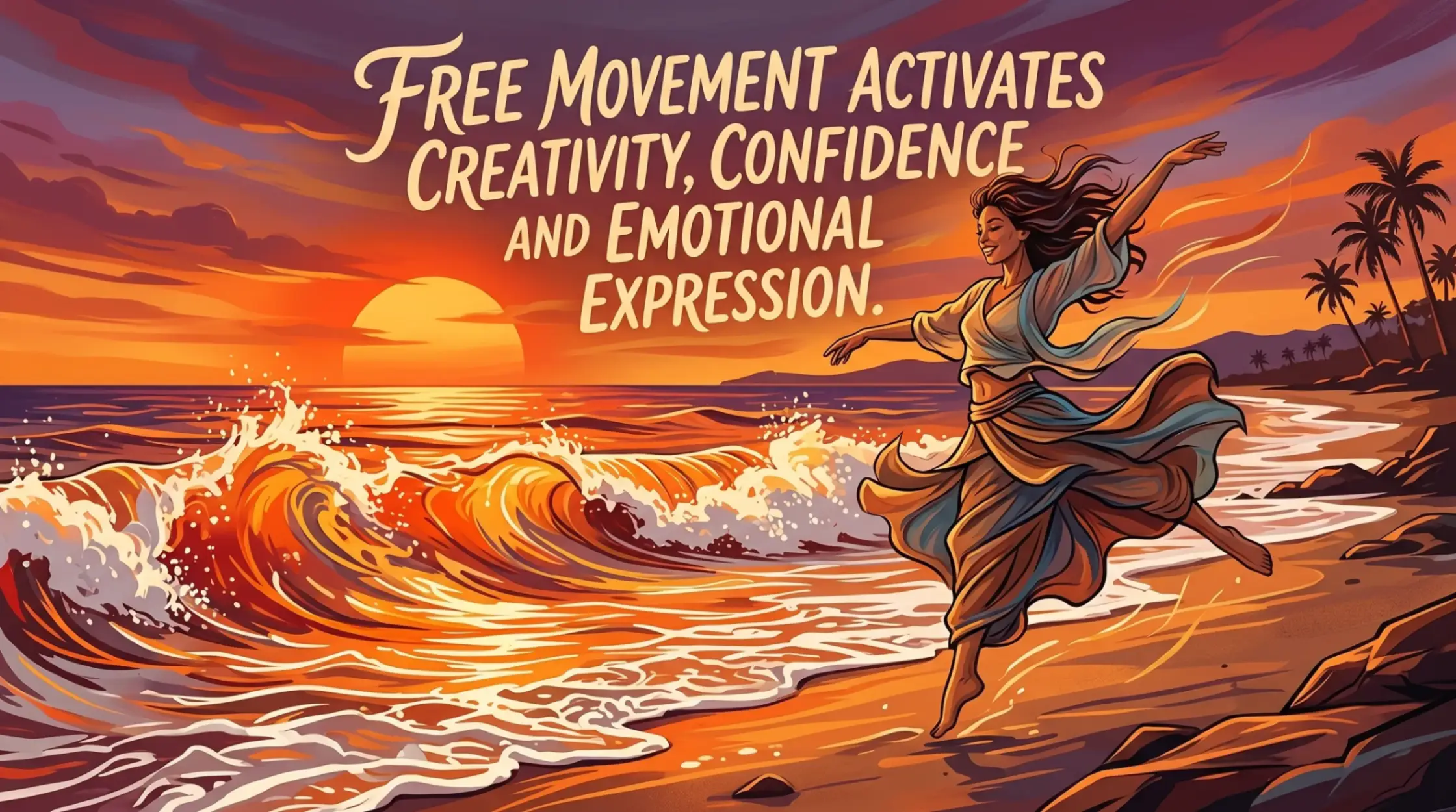
Not every practice needs strict structure. Gentle freestyle movement or mindful dancing can help awaken creative energy and emotional expression.
You can play soft music and move your body in any way that feels natural. Sometimes simple, free movement can feel surprisingly healing.
Learn More: Chakra Symbols: Meaning, Origin, and the 7 Energy Centers Explained
Yoga Svadhisthana Diet and Lifestyle Tips
Sacral chakra healing is not only about yoga poses. Daily habits, food choices, hydration, creativity, rest, and healthy relationships also support emotional balance.
Small lifestyle changes can make a real difference when practised consistently. The goal is to create a life that feels more nourishing, expressive, and emotionally safe.
Supportive Foods
Foods with high water content and natural nourishment are often connected with sacral chakra support.
Helpful options include:
- Melons
- Cucumbers
- Coconut water
- Yogurt
- Fresh fruits
- Soups
- Herbal teas
- Smoothies
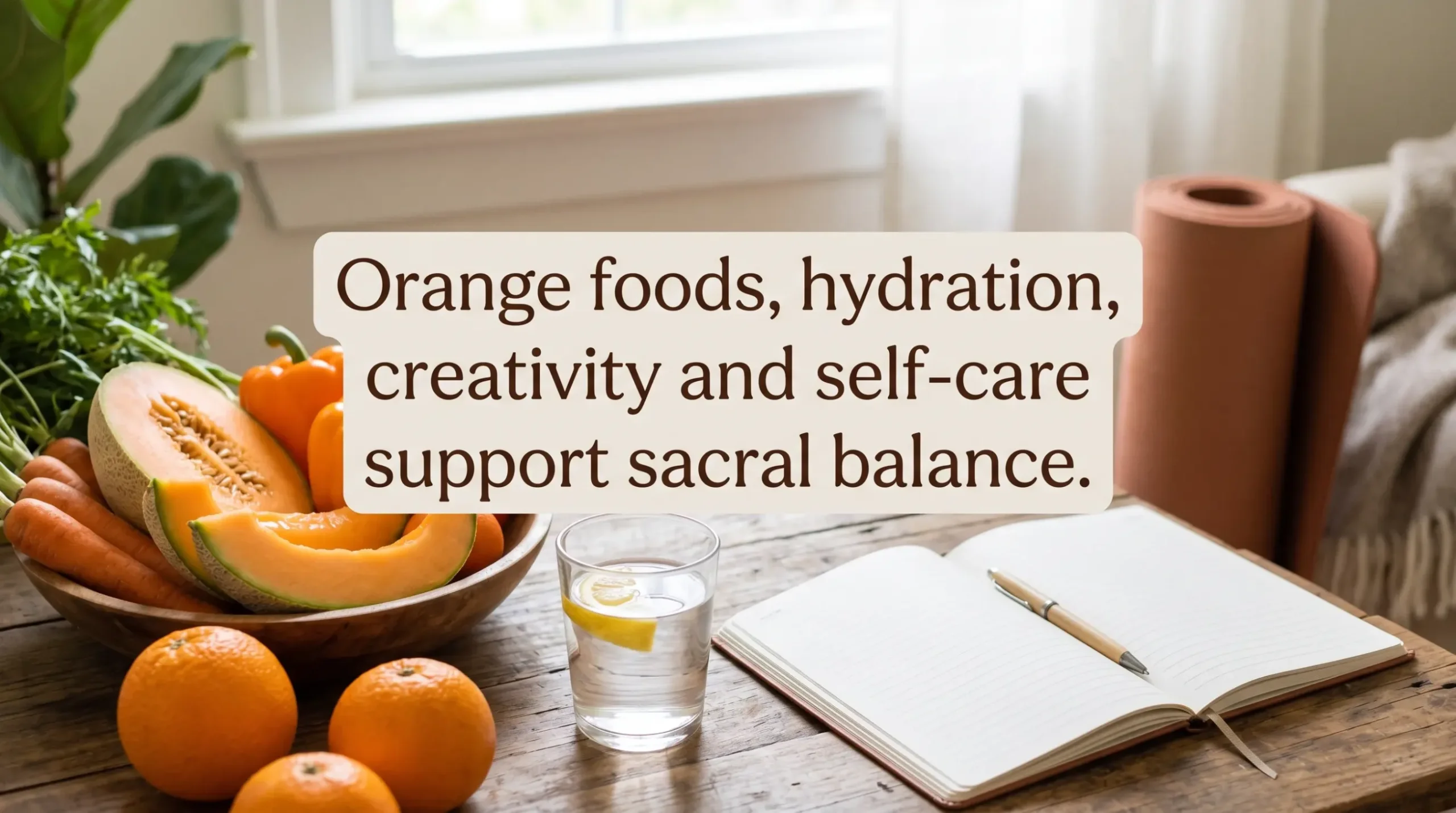
Orange-coloured foods are also connected with sacral chakra symbolism. You can include oranges, carrots, pumpkin, sweet potatoes, mangoes, apricots, papaya, and butternut squash.
Healthy Fats and Hydration
Healthy fats support brain and hormonal health, which may influence mood and emotional wellbeing. Good options include nuts, seeds, avocados, olive oil, flaxseeds, chia seeds, coconut, and nut butters.
Since the sacral chakra is linked with the water element, hydration is important. Drinking enough water can support physical energy, digestion, mood, and overall wellbeing.
Creative Activities
Creative expression is deeply connected with Svadhisthana energy. You do not need to be an artist to practise creativity; you only need a way to express what is inside you.
Helpful creative outlets include:
- Painting
- Writing
- Music
- Dancing
- Cooking
- Gardening
- Crafting
- Photography
Creative activities do not need to be perfect. They only need to help you feel more expressive, alive, and connected to yourself.
Healthy Relationships
Healthy relationships play an important role in sacral chakra balance because this chakra is connected with emotions, trust, intimacy, and connection. When your relationships feel respectful, honest, and emotionally safe, it becomes easier to express yourself without fear or pressure.
Clear communication, healthy boundaries, and emotional openness can support your emotional wellbeing in a natural way. Instead of hiding your feelings or depending too much on others for validation, you learn to connect with people from a place of balance, confidence, and self-respect.
Emotional Self-Care
Emotional self-care helps you stay connected with your feelings instead of ignoring or suppressing them. Simple habits can make your emotional world feel safer and easier to understand.
Try adding quiet breaks, journaling, time in nature, proper rest, gentle movement, less emotional overload, honest self-reflection, and supportive conversations. Small habits done consistently often matter more than big changes done once.
Safety Tips for Yoga Svadhisthana Practice
Yoga Svadhisthana practice should feel supportive, not forced. Because this practice often works with the hips, pelvis, breath, and emotions, it is important to move slowly and listen to the physical body.
If a pose feels painful, reduce the depth or come out of it completely. Feel free to use props, cushions, blocks, or wall support. If you are pregnant, recovering from injury, or dealing with a medical condition, speak with a qualified yoga teacher or healthcare professional before trying intense poses or strong pranayama.
Learn More : Kriya Cleansing in Yoga