Ishvara Pranidhana: Meaning, Practice & Daily Life
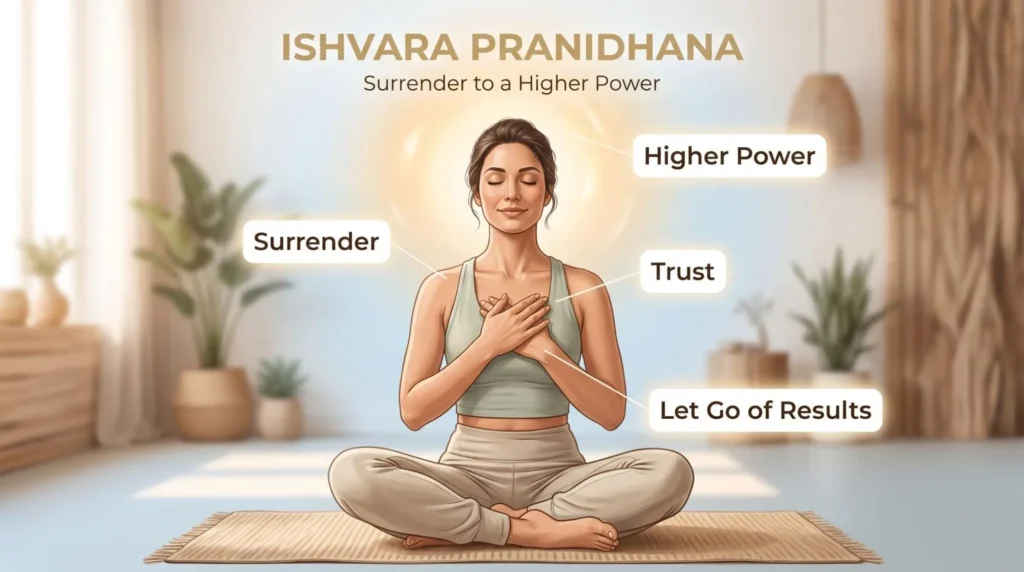
Quick answer: Ishvara Pranidhana is a yoga principle of sincere effort, devotion, and releasing attachment to results. It does not mean giving up, ignoring responsibilities, or accepting harmful situations; it means acting wisely while recognising what is outside your control. Important Context Ishvara Pranidhana is a spiritual and philosophical practice, not a medical treatment. Interpret […]
Hatha Yoga vs Raja Yoga: Key Differences, Practices & Safety
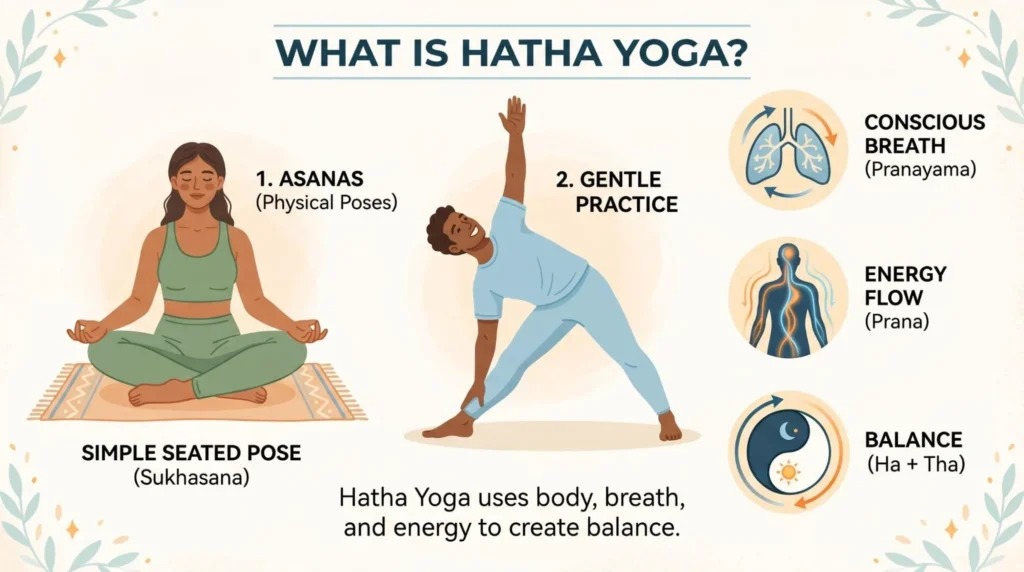
Quick answer: Hatha Yoga commonly begins with physical postures, breathwork, and body awareness, while Raja Yoga emphasises ethics, concentration, meditation, and mental discipline. They are complementary traditions, not competing choices, and beginners can explore either gently. Important Safety Note Choose practices that match your experience and physical condition. Do not force postures, breath retention, or […]
Satya in Yoga Philosophy: Meaning, Practice & Truthfulness
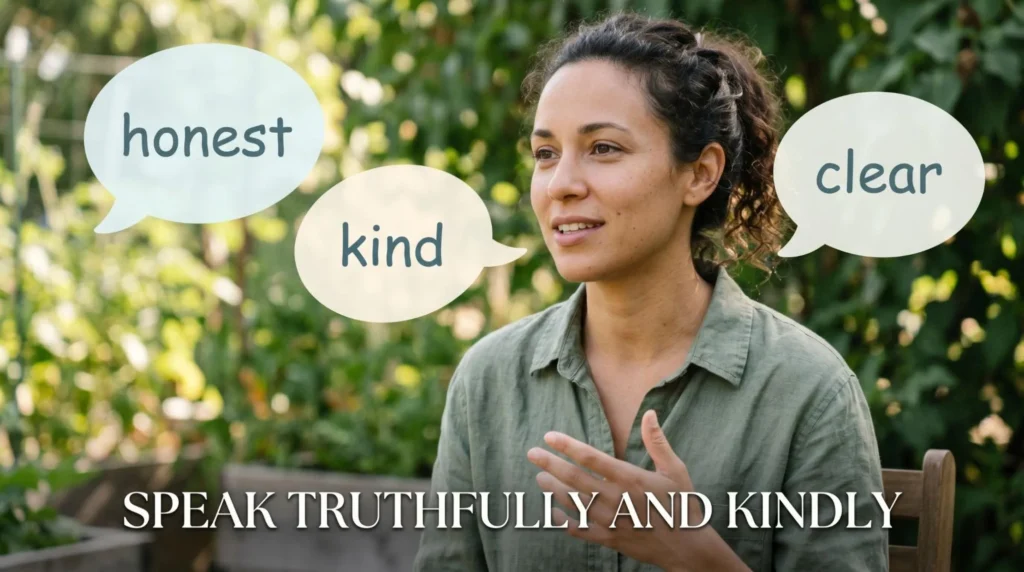
Quick answer: Satya is the yoga principle of truthfulness: being honest in speech, thoughts, and actions while also practising kindness and non-harming. It does not require harsh honesty, oversharing, or ignoring personal boundaries. Important Context Truthfulness should be practised with care. You can be honest without revealing private information, escalating conflict, or putting yourself in […]
Tapas in Yoga: Meaning, Self-Discipline and Balanced Practice
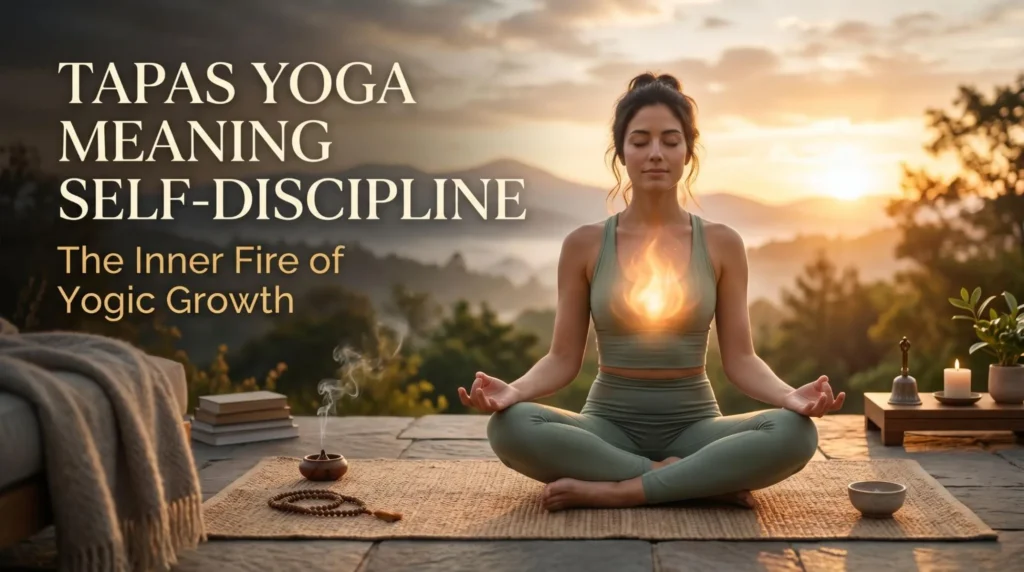
Quick answer: Tapas is the yoga principle of steady, mindful effort and self-discipline. It supports consistent practice and personal growth, but it should never mean punishment, extreme restriction, or pushing through sharp pain. Safety and Balance Healthy discipline includes rest, nourishment, flexibility, and self-compassion. During yoga, ease out of any pose that causes sharp pain, […]
Svadhyaya in Yoga: Meaning, Self-Study and Reflection
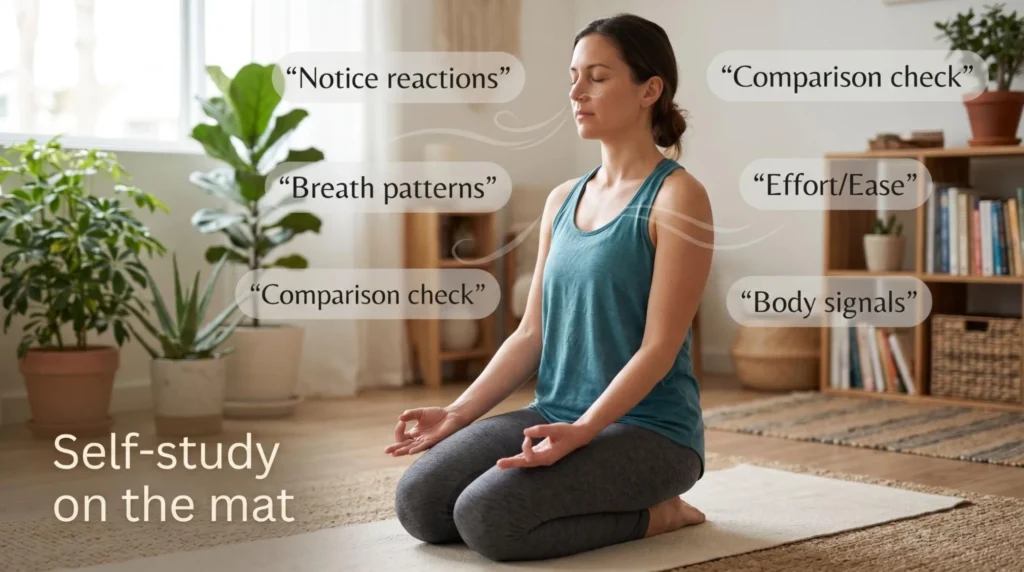
Quick answer: Svadhyaya is the yoga practice of self-study and honest self-reflection. It can include observing thoughts, journaling, studying trusted yoga texts, and noticing patterns during practice. The goal is awareness and compassion, not harsh self-judgment or endless overthinking. Important Context Self-reflection should feel supportive. If journaling or meditation increases distress, pause and seek help […]
Extended Side Angle Pose: Benefits, Steps & Safety
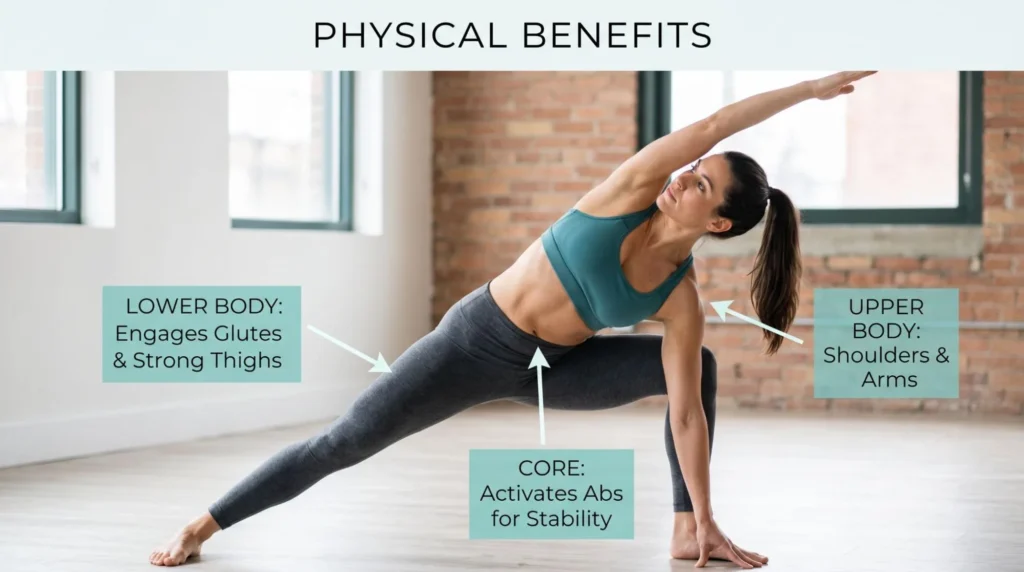
Quick answer: Extended Side Angle Pose, or Utthita Parsvakonasana, is a standing pose that combines a side bend, leg strength, and hip mobility. Use a block or shorter stance when needed, and keep the front knee tracking comfortably over the foot. Important Safety Note Do not force the knee, hip, shoulder, or lower back. Stop […]
Hand Mudras: Meaning, Types, Benefits & Safe Practice

Quick answer: Hand mudras are symbolic hand positions used in yoga, meditation, and breath practices. They can provide a simple focus for attention and relaxation, but traditional claims about energy or healing should not be treated as medical facts. Important Safety Note Mudras should feel gentle and comfortable. Do not force the fingers, wrists, or […]
Padmasana Position 7 Easy Steps and How to Do Lotus Pose Safely
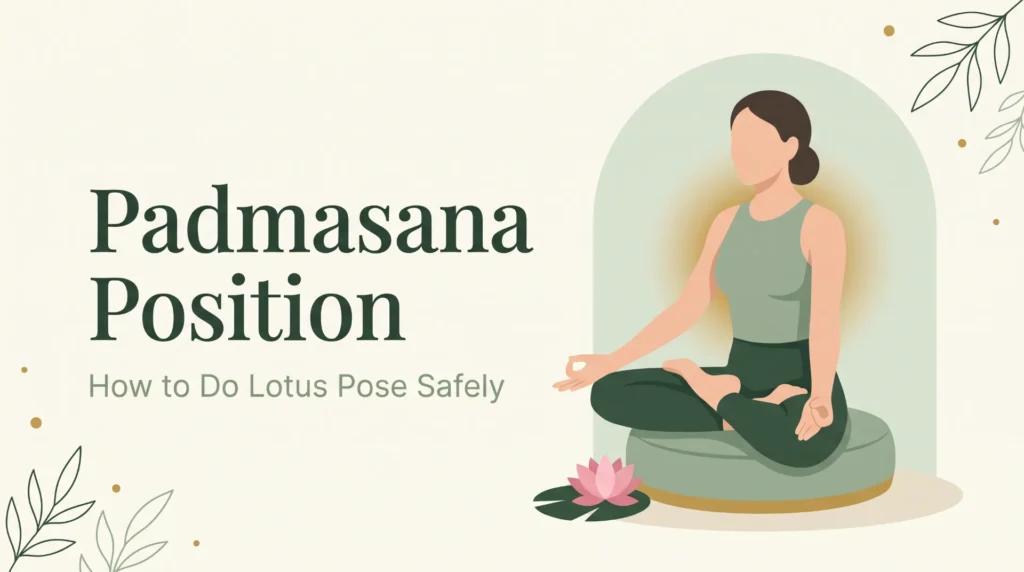
The padmasana position is the seated posture most people picture when they hear the word yoga: legs folded, feet resting high on the thighs, spine tall, hands calm on the knees. It looks effortless. For most bodies, it isn’t. Here’s how to approach it without hurting the knees. This guide covers what the pose is, […]
Shoulder Stand (Sarvangasana): Steps, Benefits & Safety

Shoulder stand is one of the classic inverted yoga poses where your body lifts upward while your shoulders, upper arms, and back of the head stay on the mat. In Sanskrit, it is commonly known as Sarvangasana, which means “whole body pose.” This pose looks simple from the outside, but it needs care. Your legs […]